1. What is Omega-3 DHA?
Omega-3 fatty acids are essential nutrients for brain health, memory, and cognitive function. The most important type for children is DHA (docosahexaenoic acid), which makes up a large portion of the brain and nervous system. Since the body cannot produce enough DHA on its own, children must obtain it through diet or supplementation, often by using focus vitamins for students to ensure they meet their daily requirements. For many parents, ensuring these nutritional needs are met is just as important as establishing a bedtime routine for restless children to support overall development. It is also helpful to look at how other nutrients play a role, such as understanding Vitamin B6 & B12 for children and how they contribute to daily energy and brain function.
DHA plays a key role in:
✔ Brain cell growth & connectivity
✔ Attention & problem-solving skills
✔ Reducing inflammation in the brain
✔ Supporting mood & emotional regulation
📌 Related Article: The Science Behind Nutrition & Brain Development in Children
2. Key Benefits of Omega-3 DHA for Children
1️⃣ Supports Brain Development & Intelligence
A 2013 study in the American Journal of Clinical Nutrition found that higher DHA levels in early childhood were associated with better IQ scores and cognitive function later in life.
📌 Read the study
2️⃣ Enhances Focus & Reduces Hyperactivity
A 2011 meta-analysis in the Journal of Pediatrics reviewed 10 studies and concluded that children with ADHD had lower DHA levels. Supplementing with Omega-3s led to significant improvements in focus and attention span. Beyond fatty acids, many families also find success by understanding magnesium for kids as part of a holistic approach to behavioral health and sleep quality.
📌 Read the study
3️⃣ Improves Memory & Learning Ability
A 2021 study in Nutritional Neuroscience found that children who received daily DHA supplementation performed better on memory and problem-solving tests compared to those who didn’t.
📌 Read the study
3. Is Omega-3 DHA Safe for Kids?
Omega-3 DHA is safe and recommended for children, but parents should:
✔ Ensure the correct dosage – Experts recommend 250-500 mg of DHA per day.
✔ Choose high-quality sources – Look for algae-based DHA or purified fish oil to avoid contaminants.
✔ Monitor for mild side effects like fishy burps or slight digestive discomfort. It is also worth exploring why minerals like zinc and kids are frequently discussed alongside Omega-3s for optimal cognitive support and immunity.
4. Best Sources of Omega-3 DHA for Kids
🥑 Fatty Fish – Salmon, sardines, mackerel (best natural source).
🥥 Algae-Based Supplements – A sustainable plant-based alternative.
🥚 Omega-3 Enriched Eggs – Contain small amounts of DHA.
🍬 Gummies & Chewables – A kid-friendly supplement option, such as kids focus supplements that combine DHA with other vital nutrients. Some parents also explore the benefits of functional fungi by reading our guide on cordyceps for children to support natural energy levels and focus.
📌 Related Article: Lions Mane For ADHD & Focus For Children: Everything You Need To Know
5. How Omega-3 Supplements Compare
Most Omega-3 supplements contain only DHA, while full-spectrum formulas like ShroomIQ combine multiple brain-supporting nutrients.
| Product | Key Ingredients | Formula Strength | Cost |
|---|---|---|---|
| Nordic Naturals DHA Gummies | DHA from fish oil | Supports brain health, lacks other cognitive enhancers | $28 (60 gummies) |
| Mary Ruth’s Vegan DHA Drops | Algae-based DHA | Good for plant-based diets, no additional brain support | $30 (2 oz) |
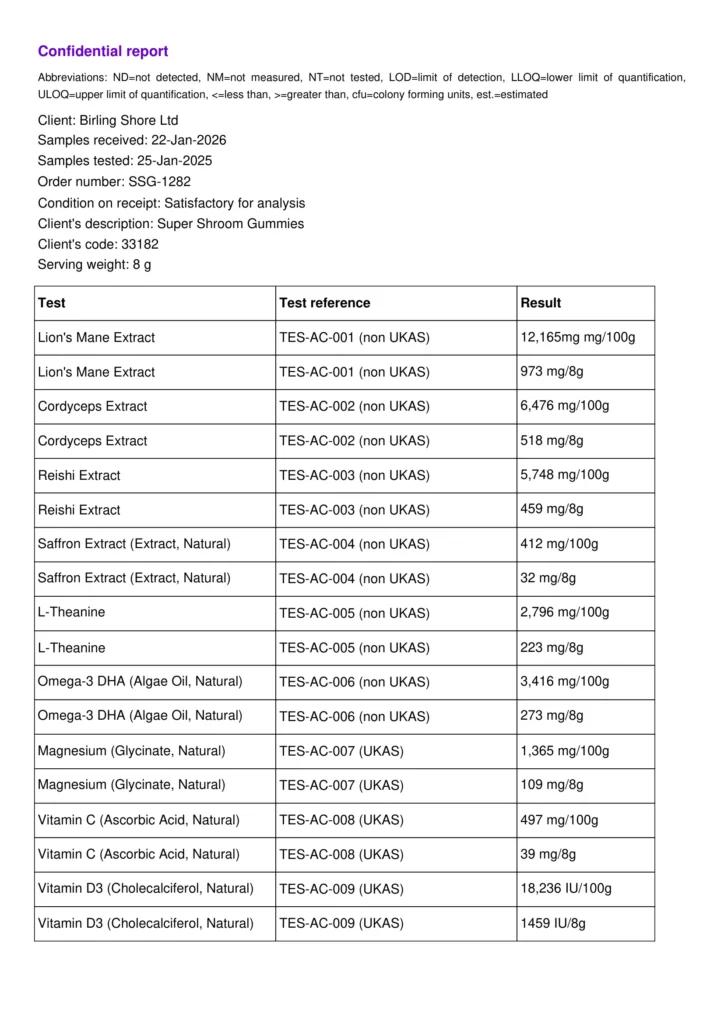
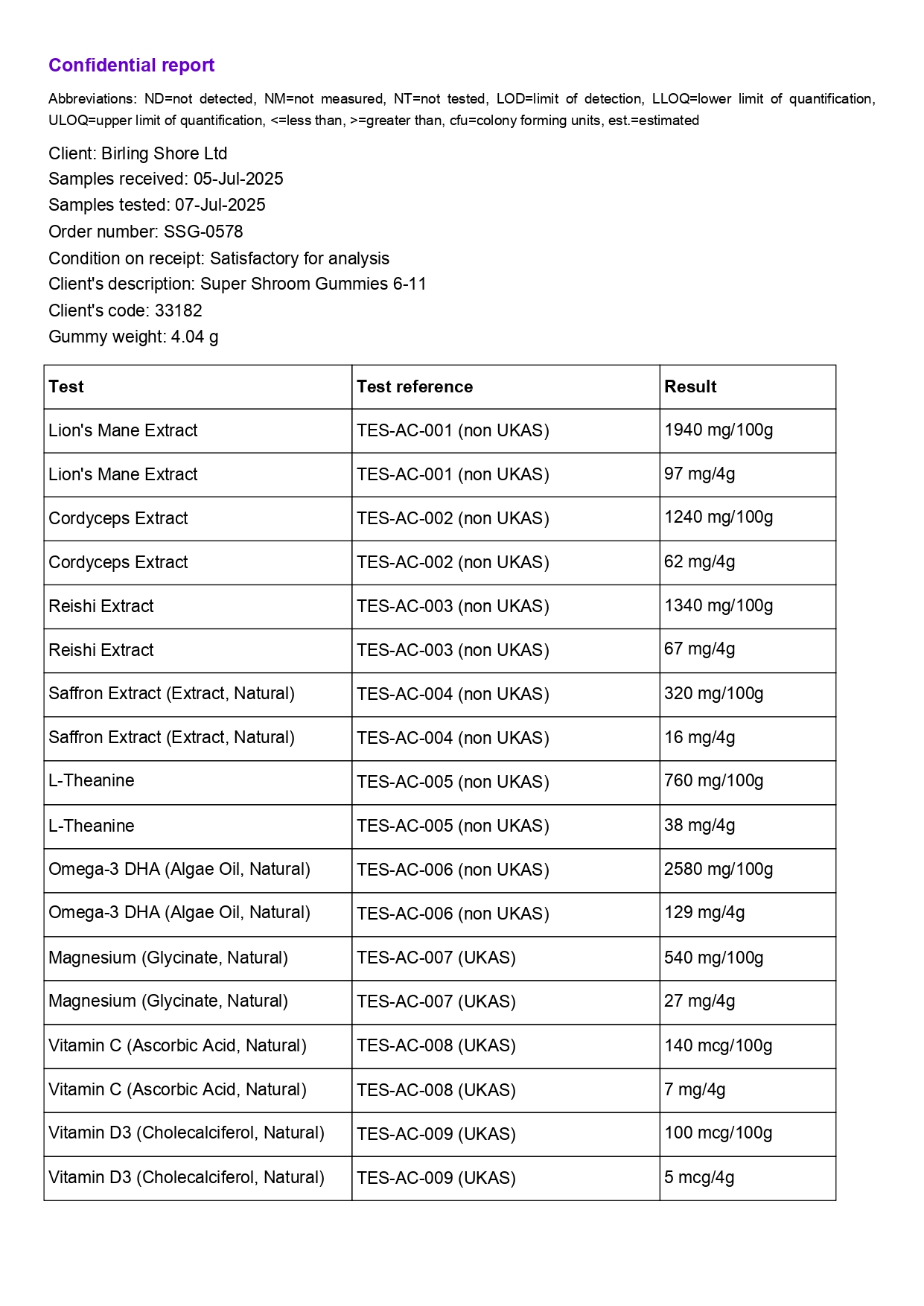
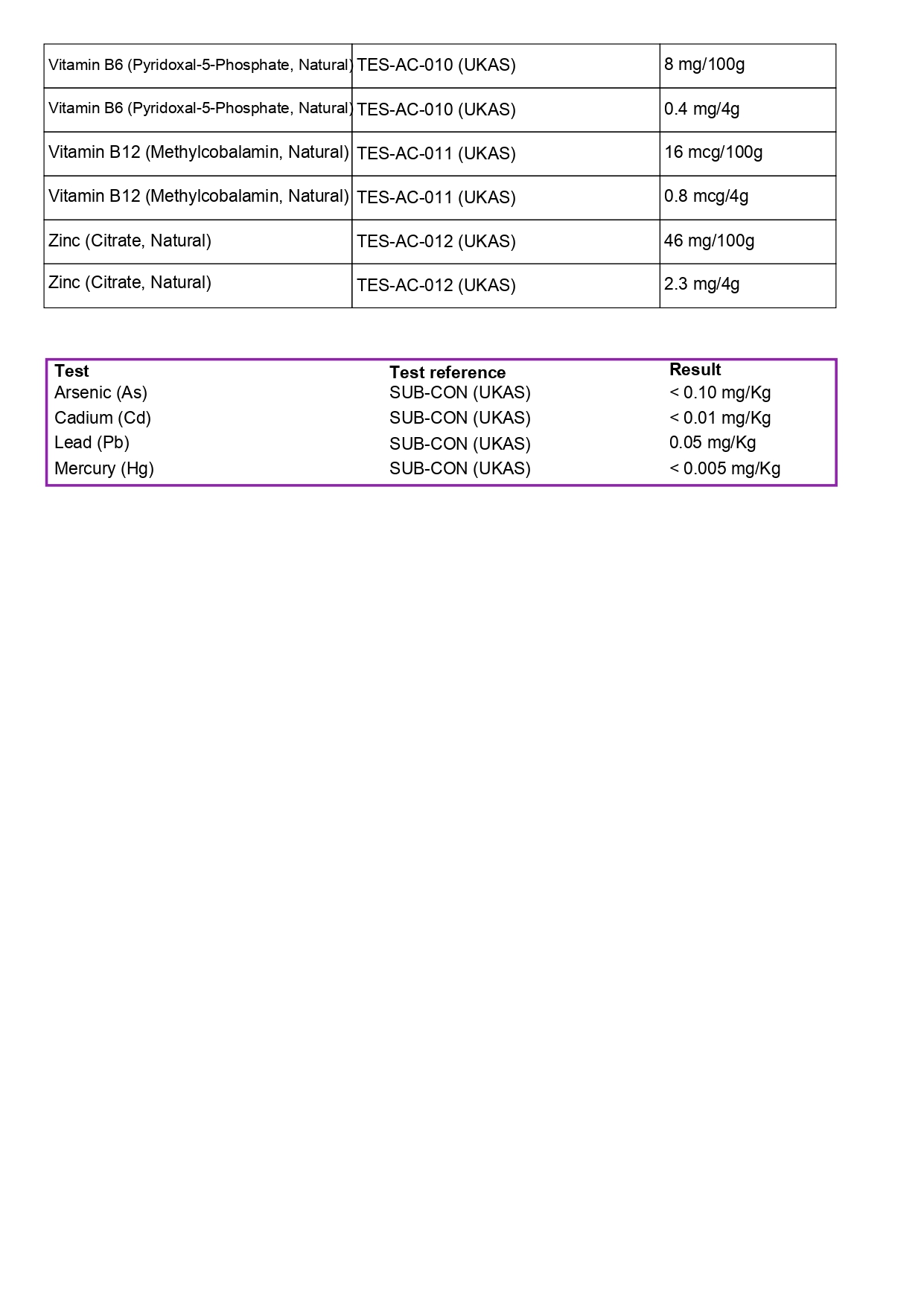
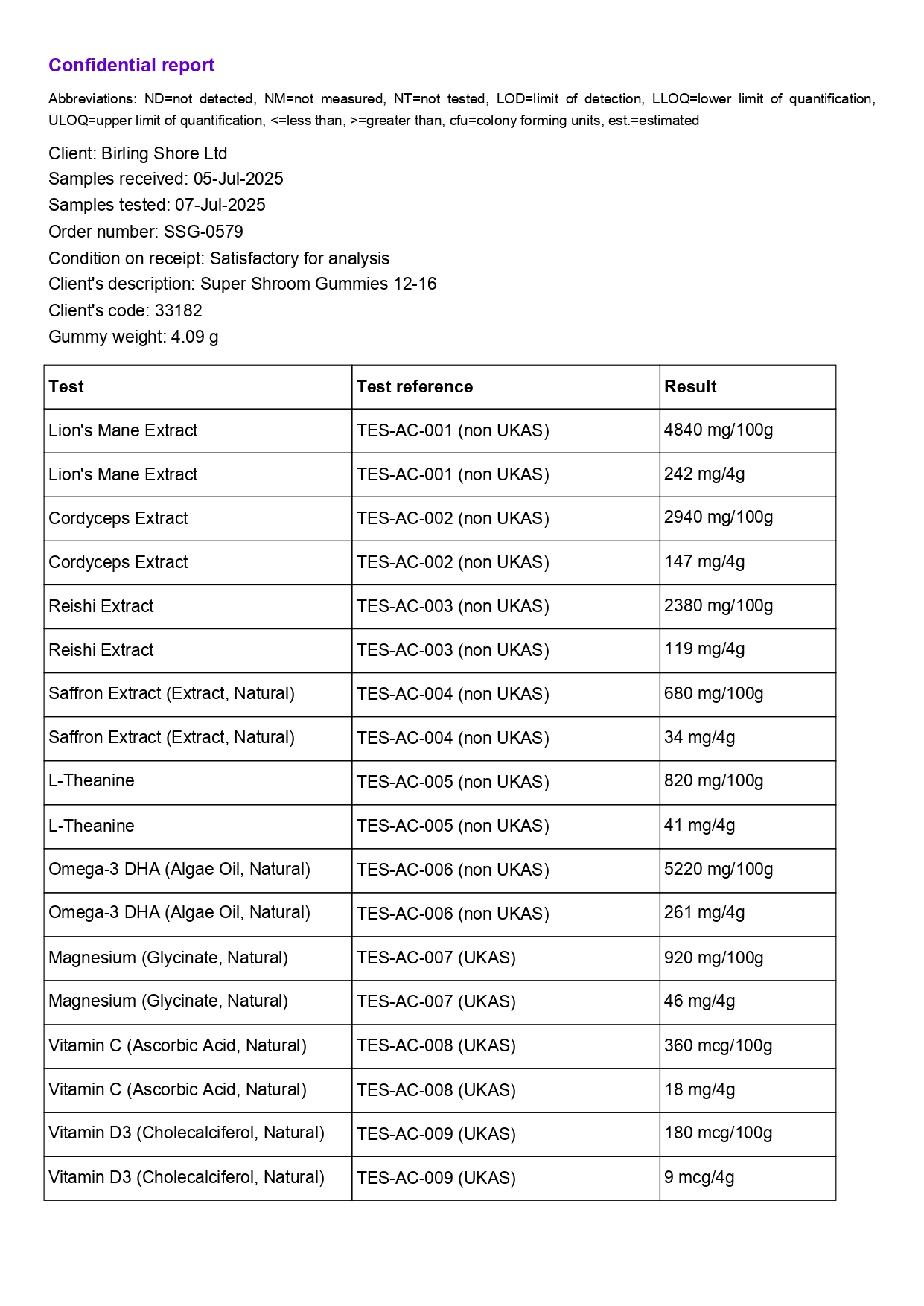
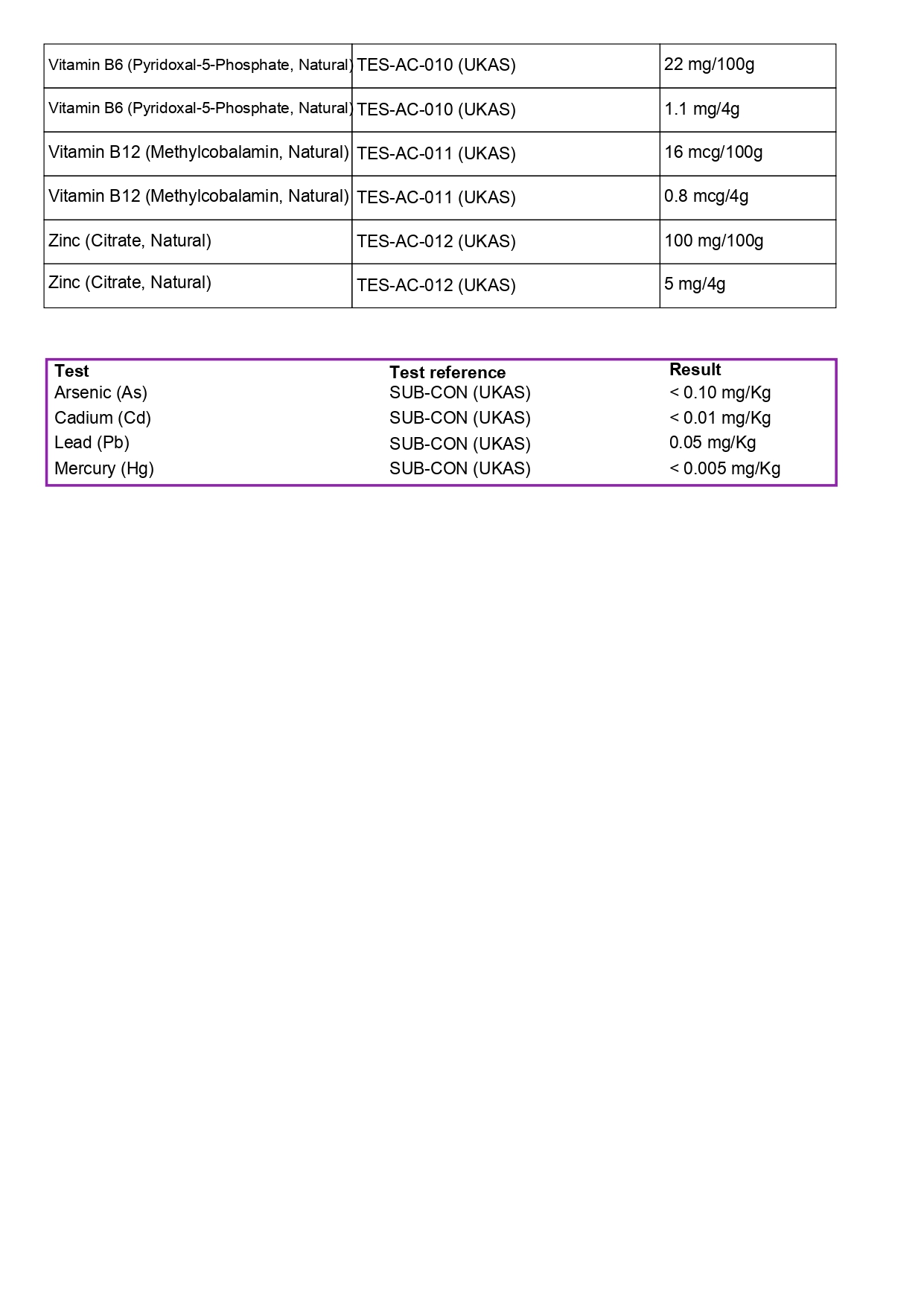
| ShroomIQ Gummies | Lion’s Mane, Cordyceps, Reishi, Omega-3, Magnesium, B Vitamins, Zinc | Full cognitive support blend | $39 (60 gummies) |
📌 While most brands only offer DHA, ShroomIQ combines 10 research-backed ingredients for comprehensive brain development—including Lion’s Mane, Magnesium, and Reishi to enhance focus, memory, and cognitive function.