Quick Answer: Magnesium supports kids’ sleep by regulating melatonin and promotes focus by stabilizing neurotransmitters. It helps calm the nervous system, making it essential for academic performance and restful nights.
It’s 8:00 PM. You’ve done the bath, the stories, and the ‘one last glass of water.’ Yet, your child is still bouncing off the walls, or perhaps they are staring at the ceiling, unable to switch their busy brain off. Fast forward to the next morning at the breakfast table: they seem foggy, distracted, and unable to focus on their morning tasks. If this cycle feels familiar, you aren’t alone.
Many parents are searching for natural ways to support their child’s developing brain and nervous system. While we often look at screen time or sugar intake, the answer might actually lie in a vital mineral: Magnesium. To better understand the science, you can read more about Magnesium and Children: What’s Its Role in Daily Health? and how it impacts development. Specifically, using magnesium for kids sleep and focus has become a growing area of interest for health-conscious families looking for natural calm support for kids to optimize wellness naturally, according to KidsHealth.
The Dual Power of Magnesium: How It Works
Magnesium is often called the “master mineral” because it is involved in over 300 biochemical reactions in the human body. For children and teens aged 6-16, whose bodies are rapidly growing and whose brains are under constant pressure from school and social lives, this mineral is indispensable.
1. Magnesium for Better Sleep
Magnesium helps the body maintain healthy levels of GABA (gamma-aminobutyric acid), a neurotransmitter that promotes relaxation. By binding to GABA receptors, magnesium helps quiet the nervous system, making it easier for a child to transition from a high-energy day into a restful night. Furthermore, research from the Sleep Foundation suggests that magnesium supports the regulation of melatonin, the hormone responsible for our sleep-wake cycles.
2. Magnesium for Sharper Focus
When it comes to the classroom, magnesium plays a critical role in synaptic plasticity—the ability of the brain to form new connections. It acts as a gatekeeper for NMDA receptors, which are involved in learning and memory. Without enough magnesium, these receptors can become overstimulated, leading to that “scattered” feeling many kids experience during homework time. In addition to magnesium, many parents ask about Zinc and Kids: Why It’s in So Many Supplements aimed at cognitive support and immune health.
Why Modern Kids Might Need Extra Support
Despite our best efforts with broccoli and spinach, many children don’t get enough magnesium through diet alone. Soil depletion and the prevalence of processed foods mean that the mineral density of our meals has decreased over the decades. Additionally, stress—even the “good” stress of sports and learning—causes the body to deplete magnesium stores faster.
People Also Ask: Can magnesium help with school stress?
While magnesium is not a nutritional support for clinical concerns, it promotes a sense of calm by supporting the adrenal glands and regulating cortisol (the stress hormone). When a child’s magnesium levels are optimal, they may feel more resilient when facing tests or social challenges. Beyond supplementation, creating calm mornings with essential tips for kids’ routines can also help reduce daily stress levels.
The Perfect Pairing: Saffron and Magnesium
While magnesium does the heavy lifting for the nervous system, adding botanical support like Saffron can enhance the effects on mood and calm. Saffron has been traditionally used to support emotional balance, making it a wonderful companion to magnesium for children who struggle with the “after-school meltdown” or evening restlessness.
Beyond Magnesium: The Focus Formula
If your goal is specifically to support grades and memory, magnesium is only one piece of the puzzle. To truly optimize a child’s cognitive potential, consider these supporting nutrients:
-
Lion’s Mane & Omega-3 DHA: These are the gold standard for supporting brain-derived neurotrophic factor (BDNF) and healthy brain structure.
-
Vitamin B12: Essential for nerve health and maintaining energy levels throughout the school day. You can learn more in our guide to understanding Vitamin B6 & B12 for children and why they are vital for energy.
-
Cordyceps: Helps provide steady, jitter-free energy without the crash associated with sugary snacks. If you are curious about functional fungi, you can read more about cordyceps for children and what to know about this curious mushroom and its benefits.
-
L-Theanine: An amino acid found in green tea that promotes “alert relaxation,” perfect for focusing on complex tasks.
People Also Ask: Is it safe for my 10-year-old to take magnesium daily?
Yes, magnesium is generally considered safe for children and teens when taken at age-appropriate dosages. According to health experts at WebMD, it is always best to choose a formula specifically designed for kids to ensure they are getting the right balance without overdoing it.
Streamlining Your Child’s Wellness Routine
As parents, we often end up with a kitchen cabinet full of half-used bottles: one for fish oil, one for a multivitamin, one for magnesium, and perhaps another for immunity. Keeping track of dosages and convincing a picky eater to take five different pills or liquids is a daily struggle.
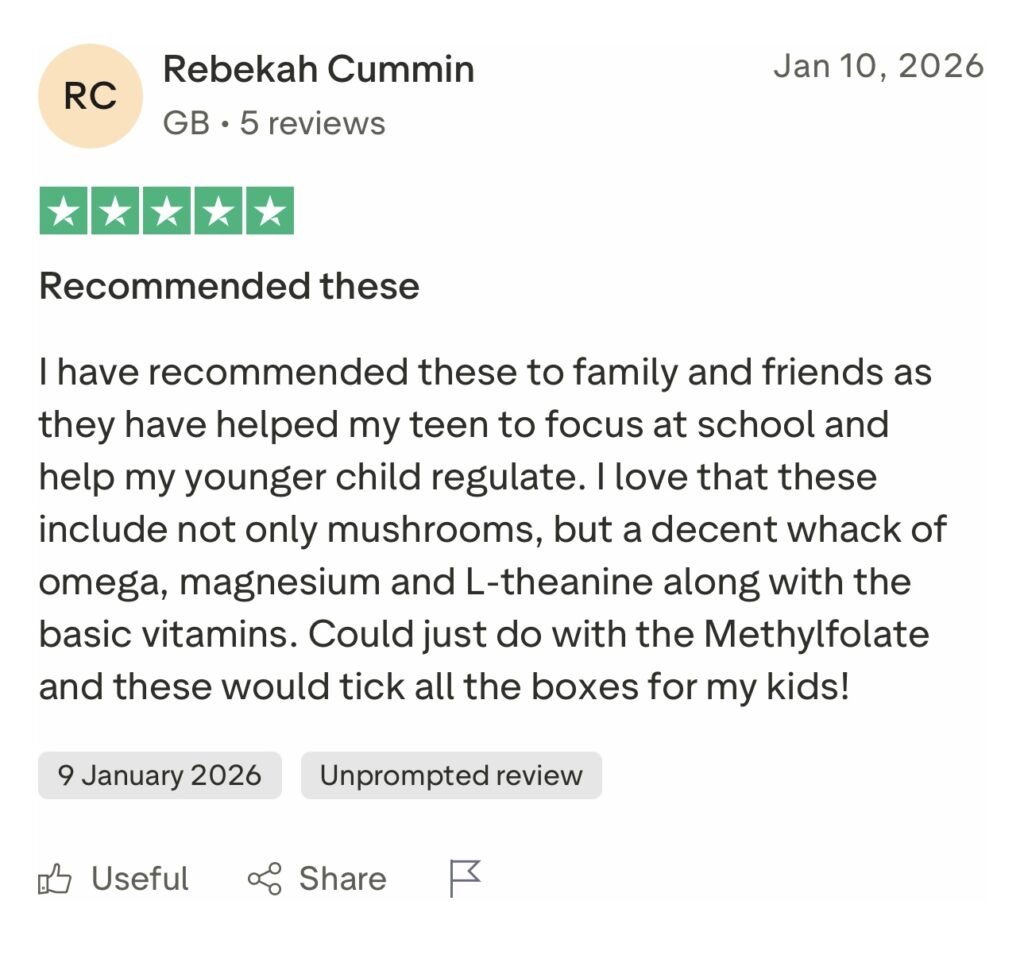
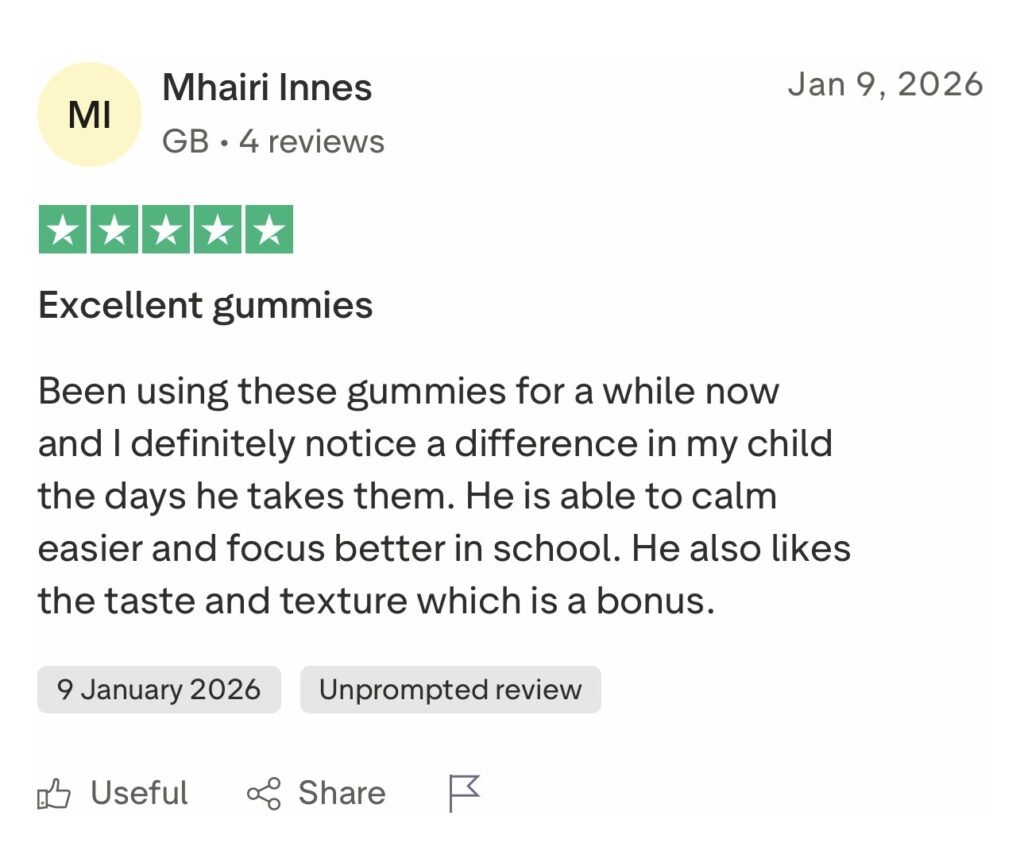
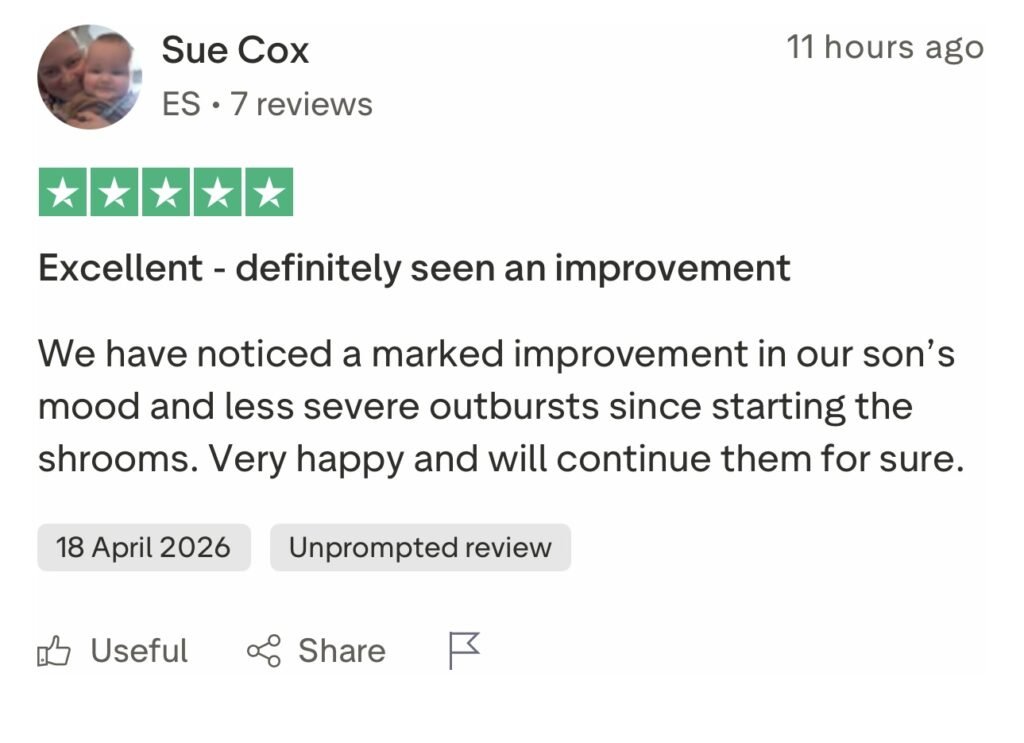
This is where SuperShrooms comes in. We designed our 12-in-1 Daily Focus & Calm Gummy to be the ultimate all-in-one solution. Instead of buying 5 different bottles, get it all in one tasty daily gummy. These focus gummies for kids combine the calming power of Magnesium and Saffron with the brain-boosting benefits of Lion’s Mane and Omega-3 DHA.
Conclusion
Supporting your child’s sleep and focus doesn’t have to be a complicated science project. By prioritizing minerals like magnesium and pairing them with nature’s best cognitive supports, you can help your child feel calmer, more focused, and ready to take on the world. Whether it’s getting through a math test or finally achieving a peaceful bedtime, the right nutritional foundation makes all the difference.