1. What is Saffron?
Saffron is a powerful spice derived from the Crocus sativus flower. It has been used in traditional medicine for centuries, primarily for mood enhancement, cognitive support, and overall wellness. Recent studies suggest that saffron may have neuroprotective effects, making it a promising supplement for children struggling with focus, mood balance, and learning difficulties. Many parents are now looking for comprehensive solutions like mushroom gummies for kids that combine these traditional ingredients with modern nutritional science. For instance, understanding how to support a child’s neurological health often involves looking at various nutrients, such as understanding Vitamin B6 & B12 for children and how they impact brain function.
📌 Related Article: Best Natural Supplements for Kids’ Focus & Attention
2. Key Benefits of Saffron for Children
1️⃣ Saffron & ADHD Support
A 2019 study in the Journal of Child and Adolescent Psychopharmacology found that saffron extract improved attention and impulse control in children with ADHD, performing as well as Ritalin in reducing symptoms.
📌 Read the study
2️⃣ Enhances Mood & Reduces Anxiety
Saffron contains bioactive compounds like crocin and safranal, which help regulate serotonin and dopamine levels in the brain. A 2020 study in the Journal of Affective Disorders found that saffron supplementation significantly reduced symptoms of anxiety and depression in children.
📌 Read the study
3️⃣ Supports Memory & Cognitive Function
Research published in Phytotherapy Research (2021) suggests that saffron enhances memory retention and cognitive flexibility by reducing oxidative stress in brain cells.
📌 Read the study
3. Is Saffron Safe for Kids?
Saffron is considered safe for children when taken in appropriate dosages. However, parents should:
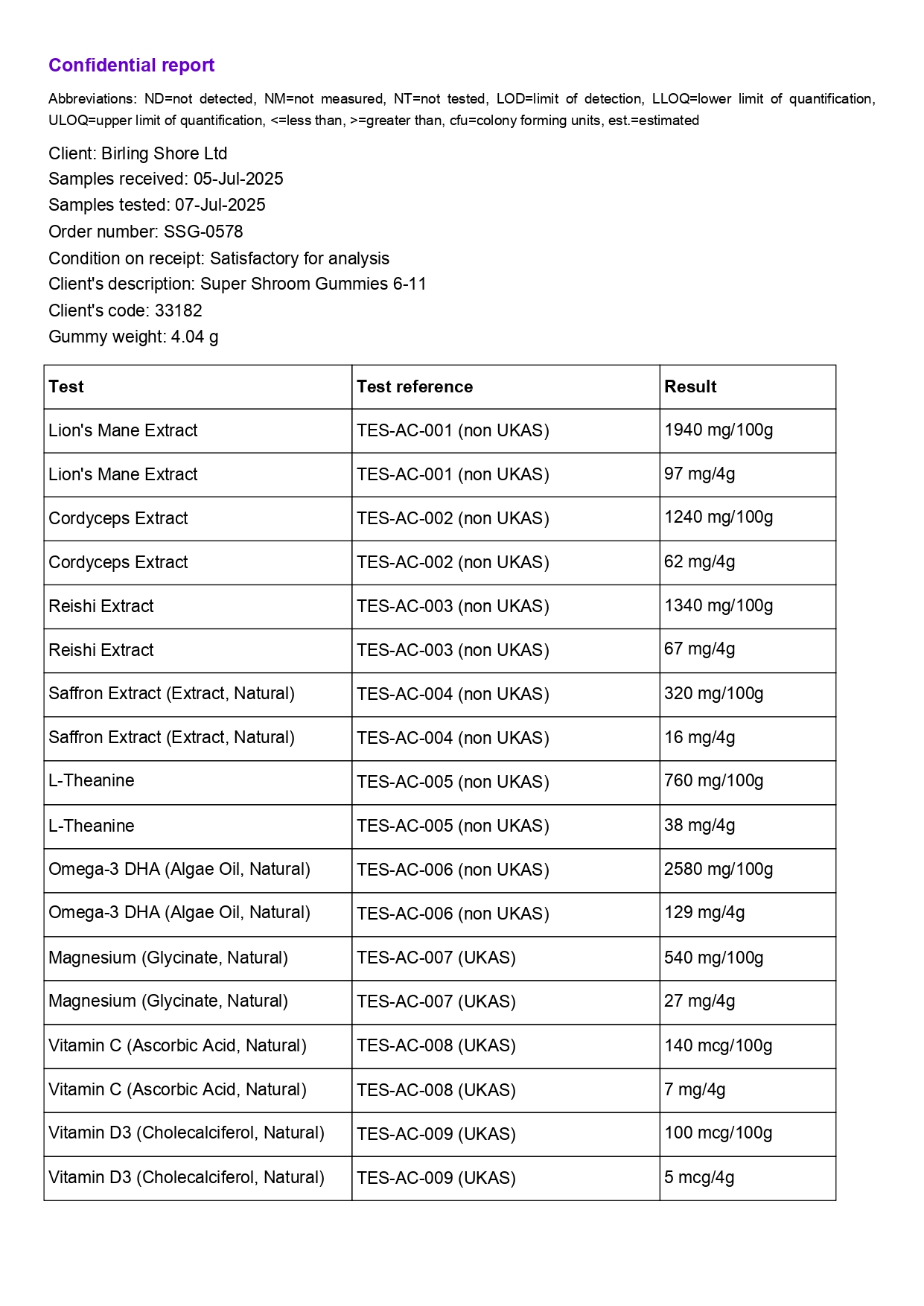
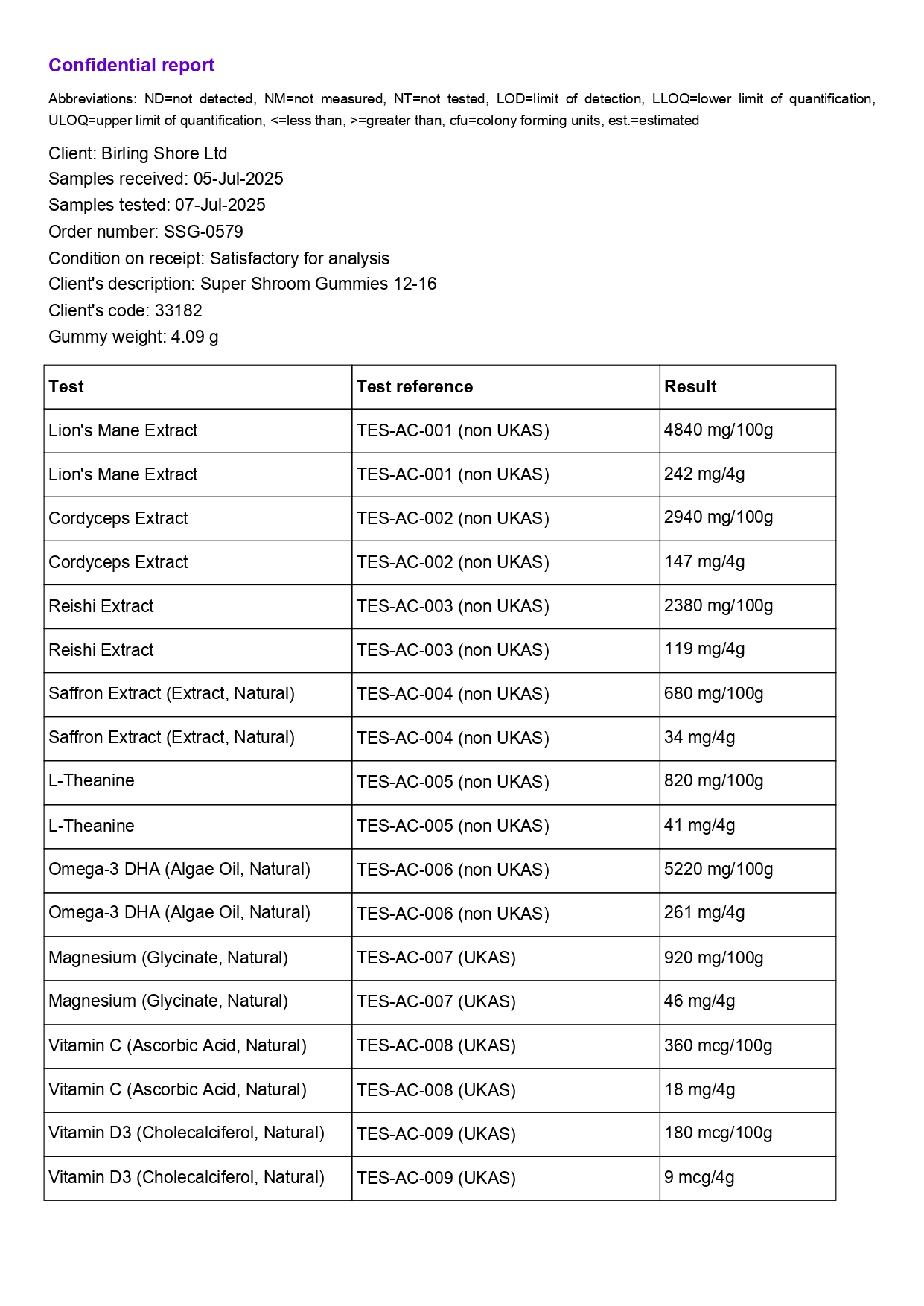
✔ Start with a low dose (15-30 mg per day) and monitor effects.
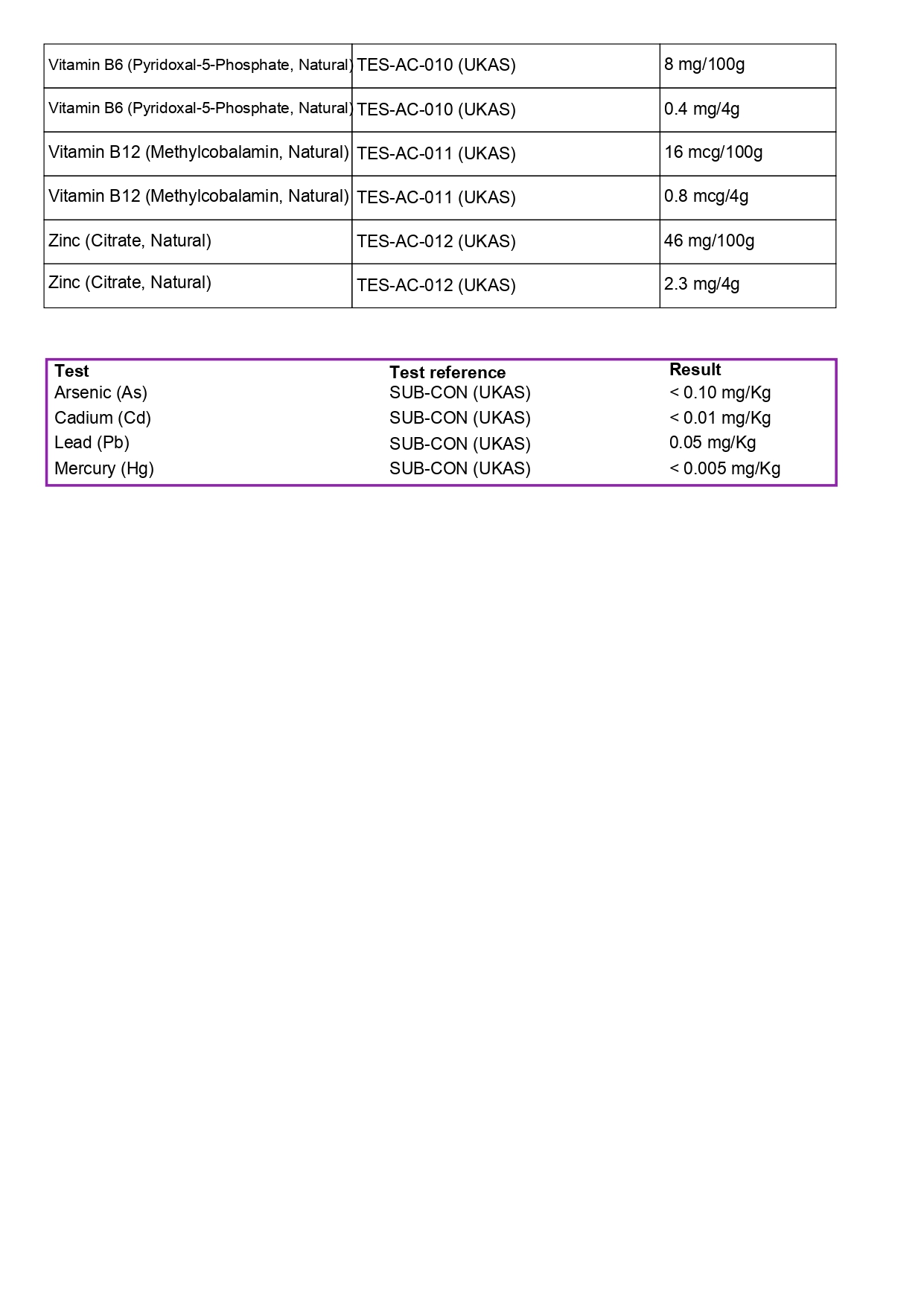
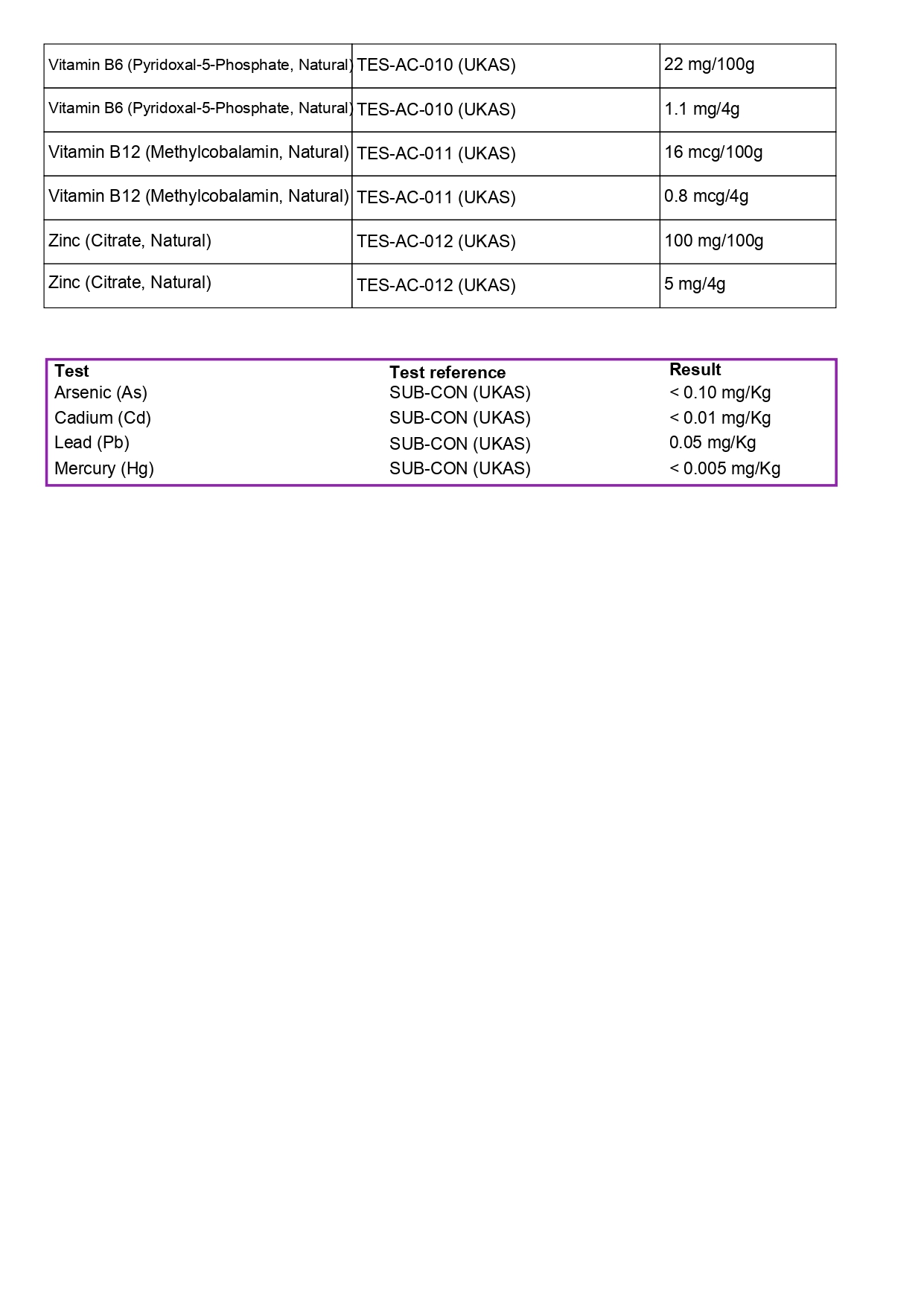
✔ Choose high-quality saffron supplements to avoid contamination.
✔ Consult a healthcare provider before introducing saffron to a child’s routine.
Potential Side Effects
🔹 Mild digestive discomfort (rare).
🔹 Allergic reactions in children sensitive to pollen or similar plant compounds.
4. How to Incorporate Saffron into a Child’s Diet
Parents can introduce saffron in several ways:
🥄 Saffron Tea – Steep a few strands in warm water and mix with honey.
🍽 Added to Food – Blend into rice dishes, soups, or smoothies.
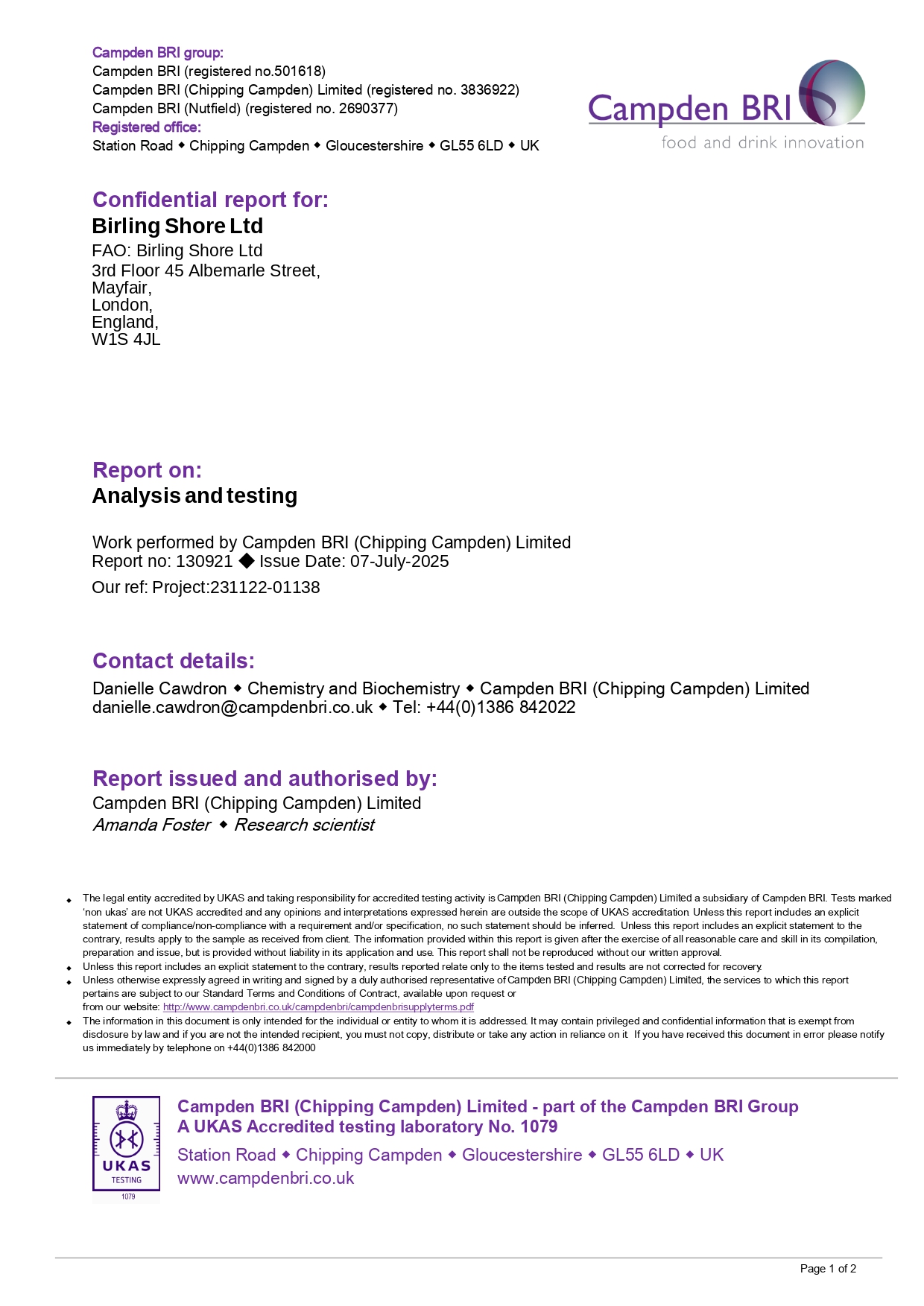
💊 Supplement Form – Available in capsules or gummies for easy consumption. Some advanced formulas even include lion’s mane for children to further support neurological development alongside saffron. Additionally, many parents find that combining these botanical extracts with minerals like magnesium for kids sleep and focus can create a more balanced daily routine.
📌 Related Article: Best natural supplement kids focus and attention
5. How Saffron Supplements Compare
Many supplements on the market only contain saffron as a standalone ingredient. While beneficial, stacking saffron with other brain-supporting nutrients may provide enhanced cognitive benefits.
| Product | Key Ingredients | Formula Strength | Cost |
|---|---|---|---|
| Naveh Pharma Optimind Focus | Saffron, B Vitamins, Zinc | Focus & mood support | $45 (30 gummies) |
| Pure Saffron Extract Capsules | 100% Saffron | High potency but lacks additional brain support | $30 (60 capsules) |
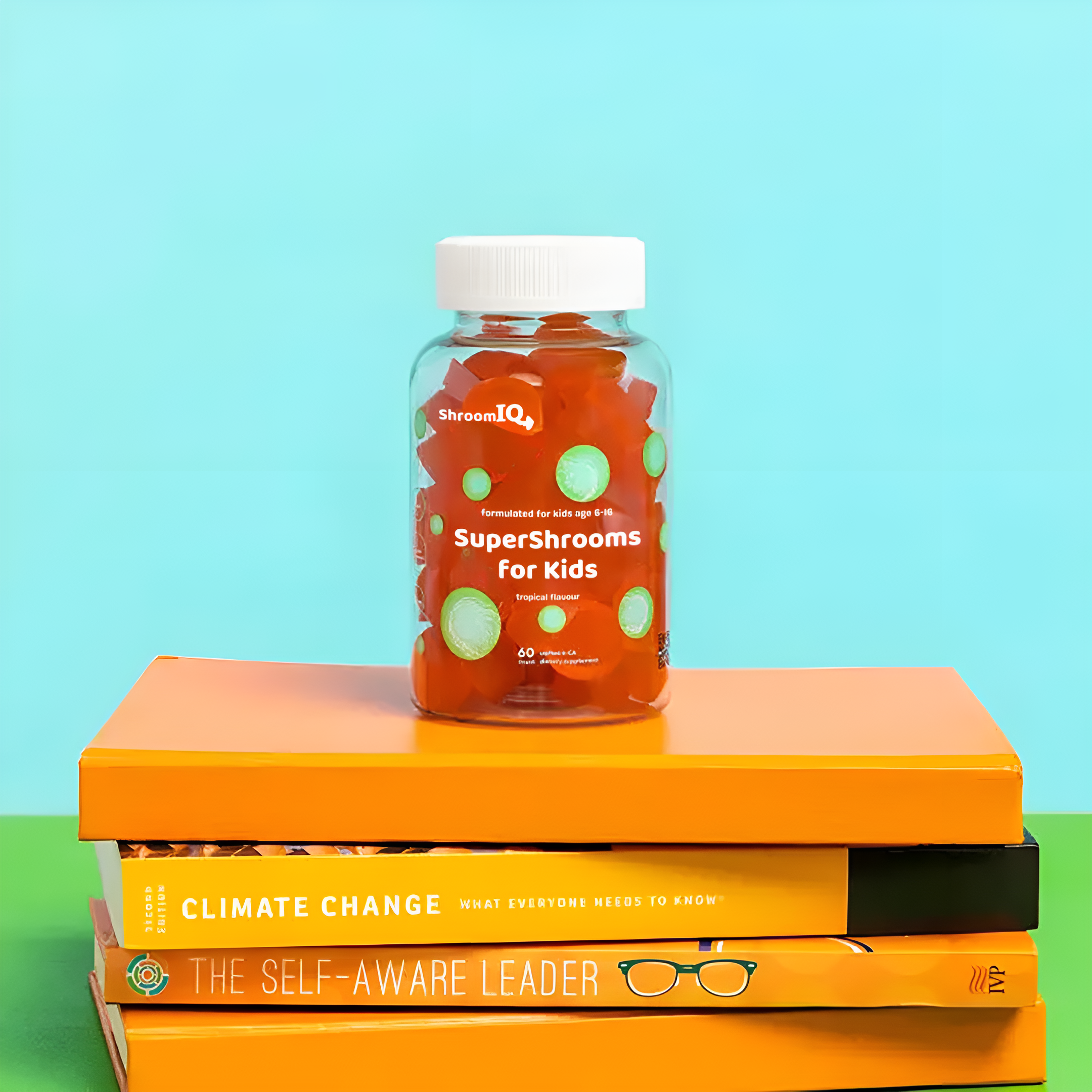
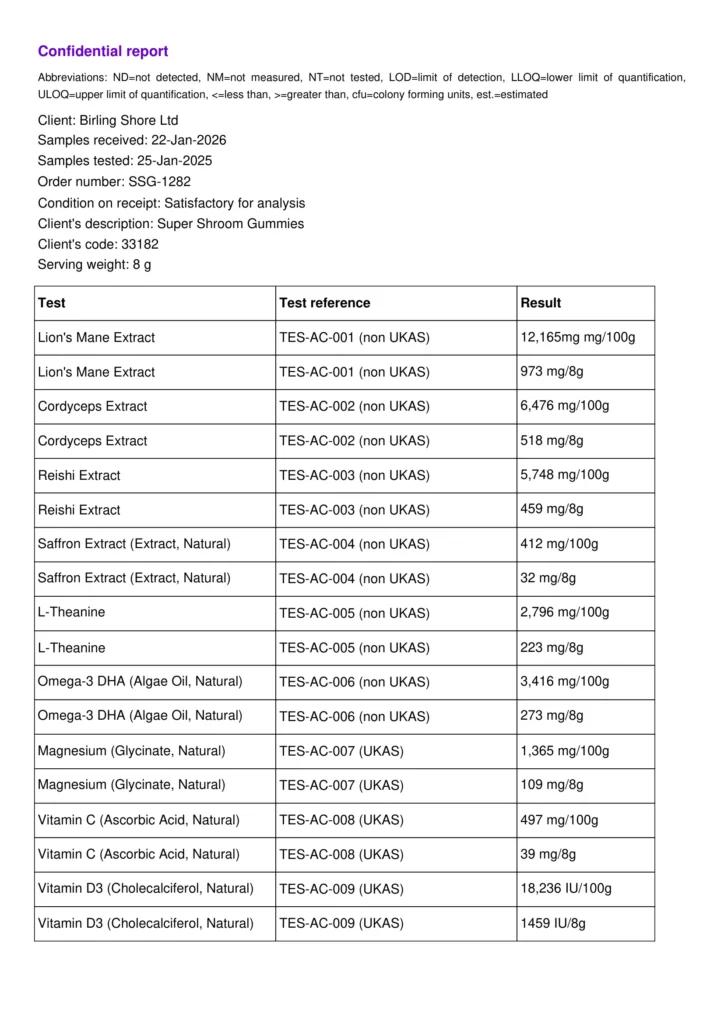
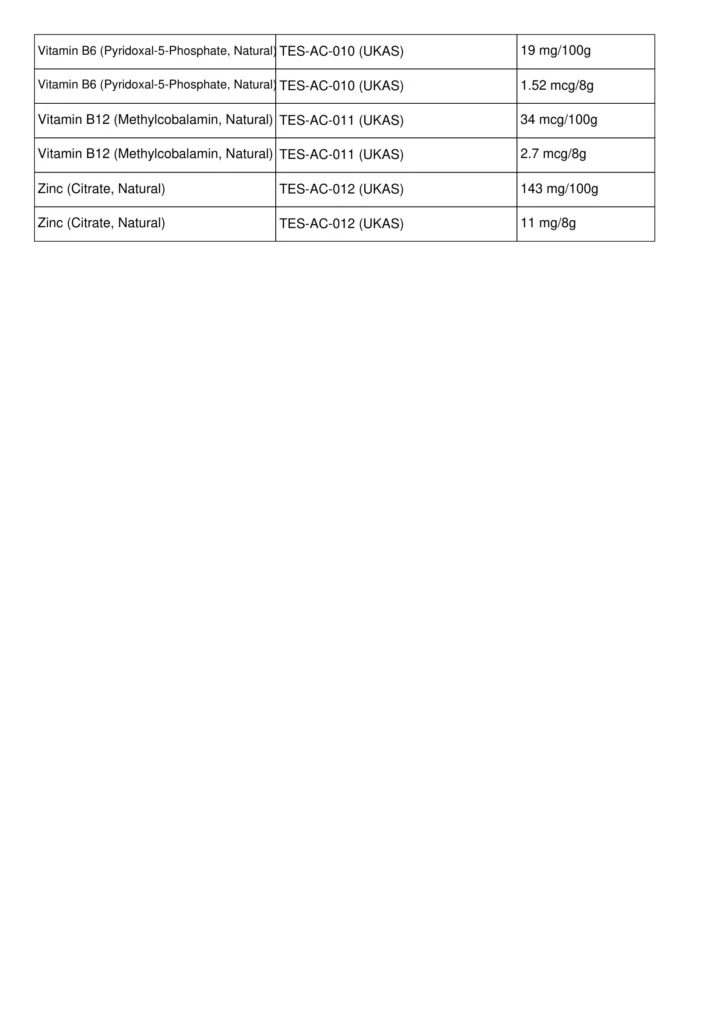
| ShroomIQ Gummies | Lion’s Mane, Saffron, Reishi, Omega-3, Magnesium, B Vitamins, Zinc | Full cognitive support blend | $39 (60 gummies) |
📌 While most brands only offer saffron, ShroomIQ combines 10 research-backed ingredients for complete brain support—including Omega-3 DHA, Magnesium, and Reishi to enhance focus, memory, and mood regulation.