Quick Answer: Effective natural support for hyperactive children include dietary adjustments, consistent sleep routines, mindfulness practices, and targeted supplements like Magnesium, Saffron, and Lion’s Mane to support focus, emotional regulation, and calm behavior.
We’ve all been there. It’s 7:00 PM, you’re exhausted after a long day, but your child is quite literally bouncing off the walls. The “zoomies” aren’t just for puppies; for many of us parents, hyperactivity is a daily reality that affects everything from morning routines to homework time and eventual bedtime battles. While every child has energy, some children struggle more than others to find their ‘off’ switch.
When you’re looking for ways to help your child find their center without jumping straight to harsh interventions, exploring natural support for hyperactive children is a wonderful first step. As parents, we want to support our children’s developing brains with the gentlest, most effective tools available. Many families find that a combination of nutritional support, such as focus gummies for kids, and lifestyle changes can make a world of difference in the household dynamic. Beyond behavioral support, many parents also look for natural immunity boosters for school kids to ensure their little ones stay healthy and resilient throughout the academic year.
Understanding the Hyperactive Brain
Hyperactivity isn’t about “bad behavior” or a lack of discipline. It’s often a sign that a child’s nervous system is stuck in high gear. Research suggests that certain brain chemicals, like dopamine and norepinephrine, play a massive role in how kids regulate their impulses and physical energy. According to Psychology Today, environmental factors and nutrition can significantly influence these neurological pathways.
Foundational Natural Support: Diet and Nutrition
What our children eat serves as the fuel for their brain. For a hyperactive child, certain “fuels” can cause a massive spike in energy followed by a crash that leads to irritability.
1. The Power of Protein and Complex Carbs
Starting the day with protein helps stabilize blood sugar. Instead of sugary cereals, try eggs or nut butters. Pairing these with complex carbohydrates (like oatmeal) ensures a steady release of energy rather than a frantic burst.
2. Identifying Food Sensitivities
Many parents notice a direct link between artificial dyes (like Red 40) and increased hyperactivity. While not every child is sensitive, Healthline notes that some studies suggest eliminating artificial additives can improve behavior in children who are prone to restlessness.
The Role of Targeted Supplements
Sometimes, even the best diet has gaps. This is where high-quality, nature-derived supplements come in. If you are looking for focus support for energetic minds, focusing on ingredients that soothe the nervous system while sharpening the mind is key. You can explore more options in our guide to natural focus supplements for kids to find the right fit for your family’s needs.
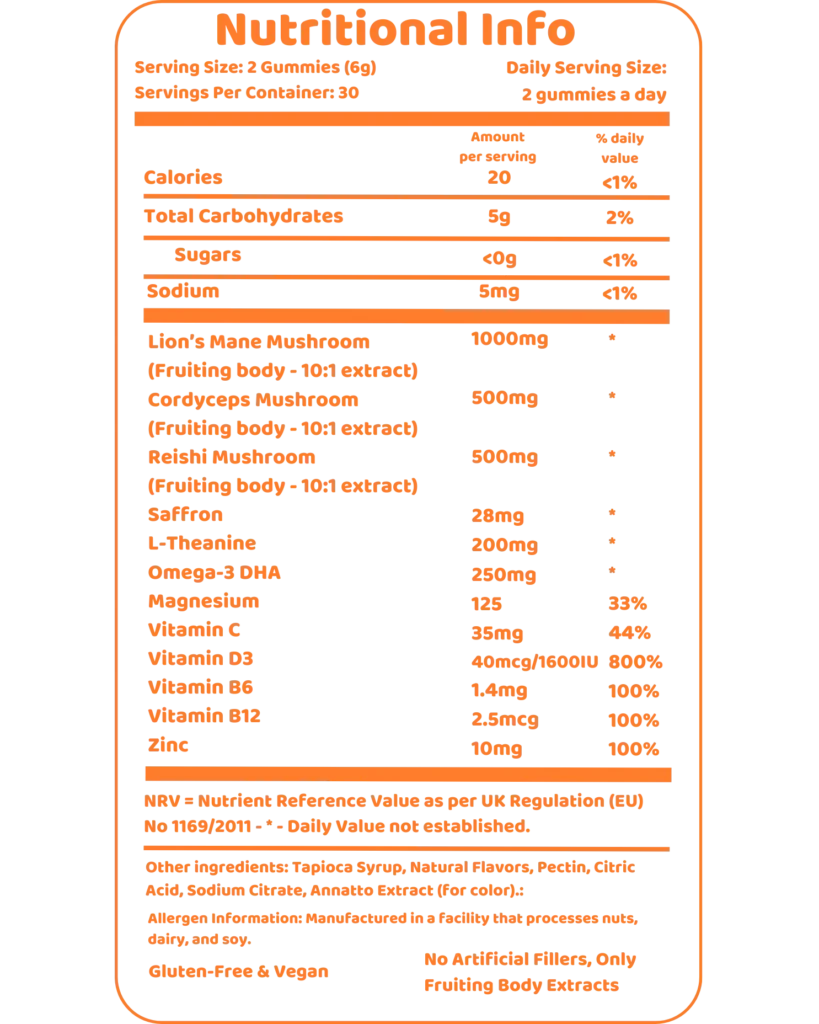
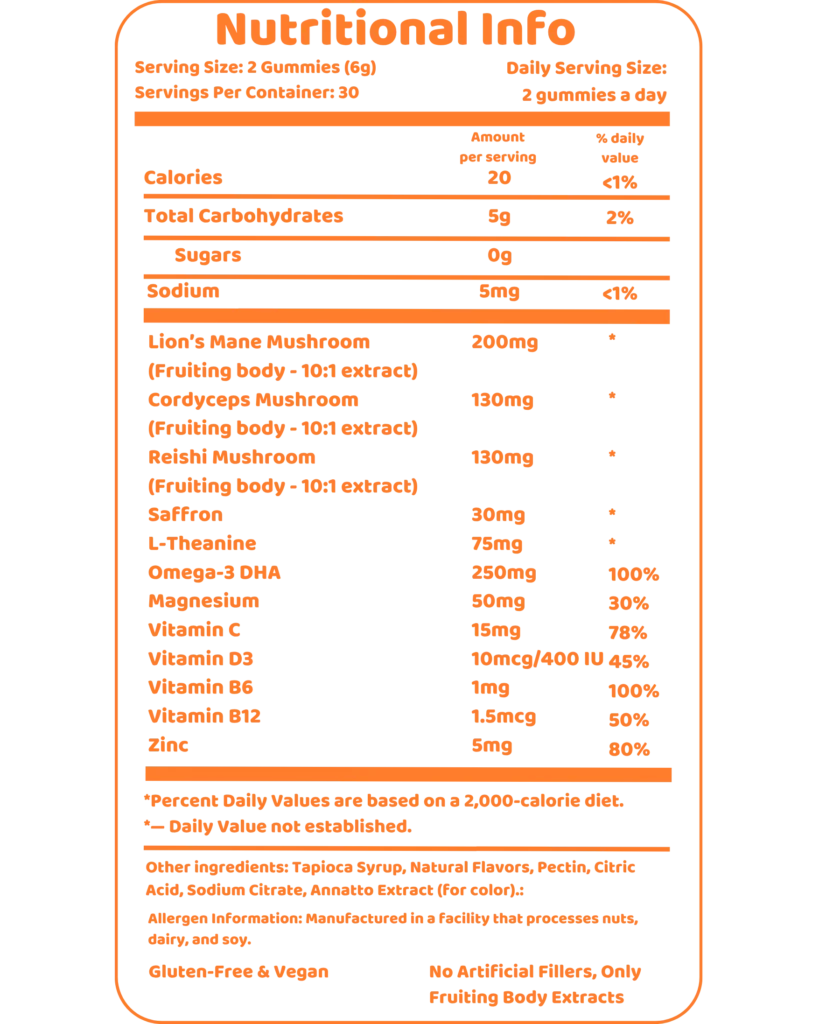
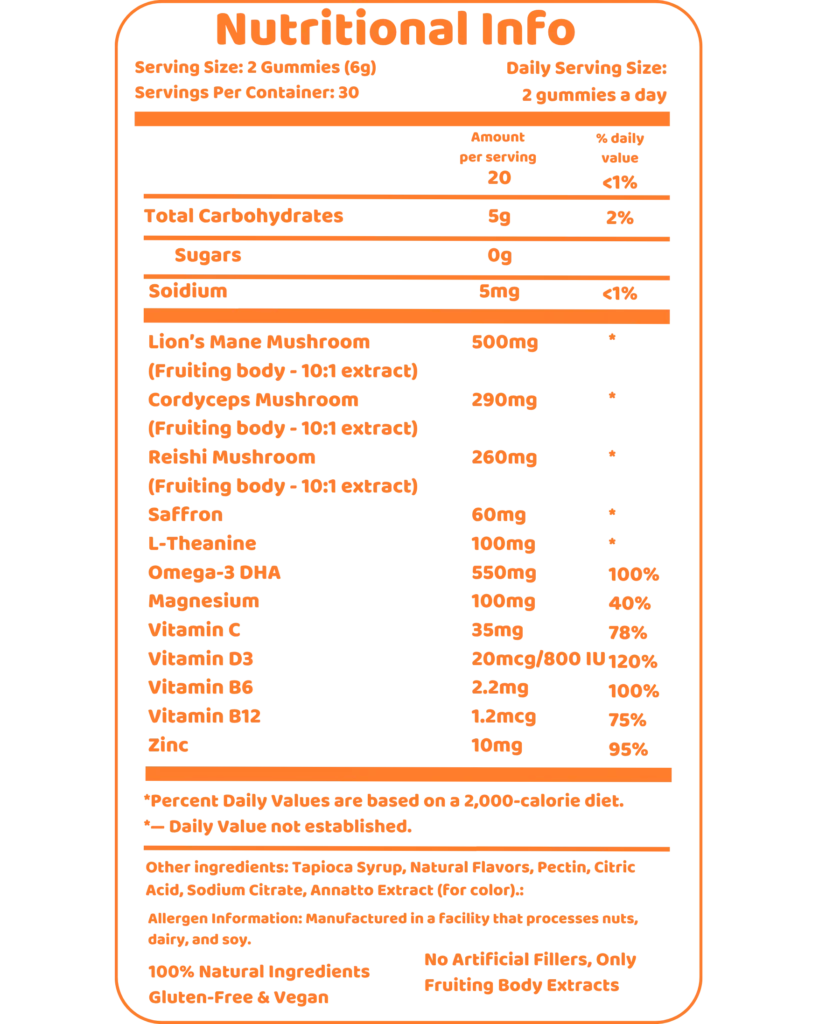
- Magnesium: Often called “nature’s relaxant,” magnesium helps promote a sense of calm and supports better sleep quality.
- Lion’s Mane & Omega-3: These are the heavy hitters for cognitive health. Lion’s Mane supports Nerve Growth Factor (NGF), while Omega-3 DHA is essential for brain structure. Together, they help with focus and memory.
- Saffron: Recent studies have shown that Saffron can be incredibly effective in supporting emotional regulation and mood balance in children.
- Vitamin B6: This vitamin is a co-factor in the production of serotonin, the “feel-good” hormone that helps kids feel more grounded.
Lifestyle Adjustments for a Calmer Home
Beyond what goes into their bodies, the environment plays a huge role. Hyperactive children often thrive on predictability.
The Importance of Sleep Hygiene
A tired brain is a hyperactive brain. When children don’t get enough rest, their bodies produce more cortisol and adrenaline to keep them going, which looks like increased hyperactivity. Implementing a strict “no-screens” rule an hour before bed can help. According to the Sleep Foundation, blue light from devices interferes with melatonin production, making it harder for high-energy kids to wind down.
Heavy Work and Physical Outlets
Sometimes, the best support is to lean into the energy. “Heavy work” activities—like carrying a backpack, pushing a vacuum, or climbing—provide proprioceptive input to the joints and muscles, which has a naturally grounding effect on the nervous system.
Conclusion: A Holistic Approach
Helping a hyperactive child isn’t about finding one “magic pill.” It’s about building a toolkit of natural support that addresses their unique needs. By combining a nutrient-dense diet, consistent routines, and the right supplemental support, you can help your child navigate their day with more confidence and less frustration. Remember, you’re doing a great job, and with a little patience and the right natural tools, those evening battles can turn into peaceful snuggles.