Lion’s Mane for Kids: Brain-Boosting Benefits & Scientific Insights
As parents, we’re always looking for safe, natural ways to support our children’s cognitive development. Lion’s mane mushroom (Hericium erinaceus) has emerged as a promising option for enhancing focus, memory, and brain health in children. To better support your family’s wellness journey, it is helpful to start by Lion’s Mane and Children: Understanding the Hype and the Research surrounding this functional fungi. But is lion’s mane actually safe for kids? Let’s explore what the science says.
What Is Lion’s Mane Mushroom?
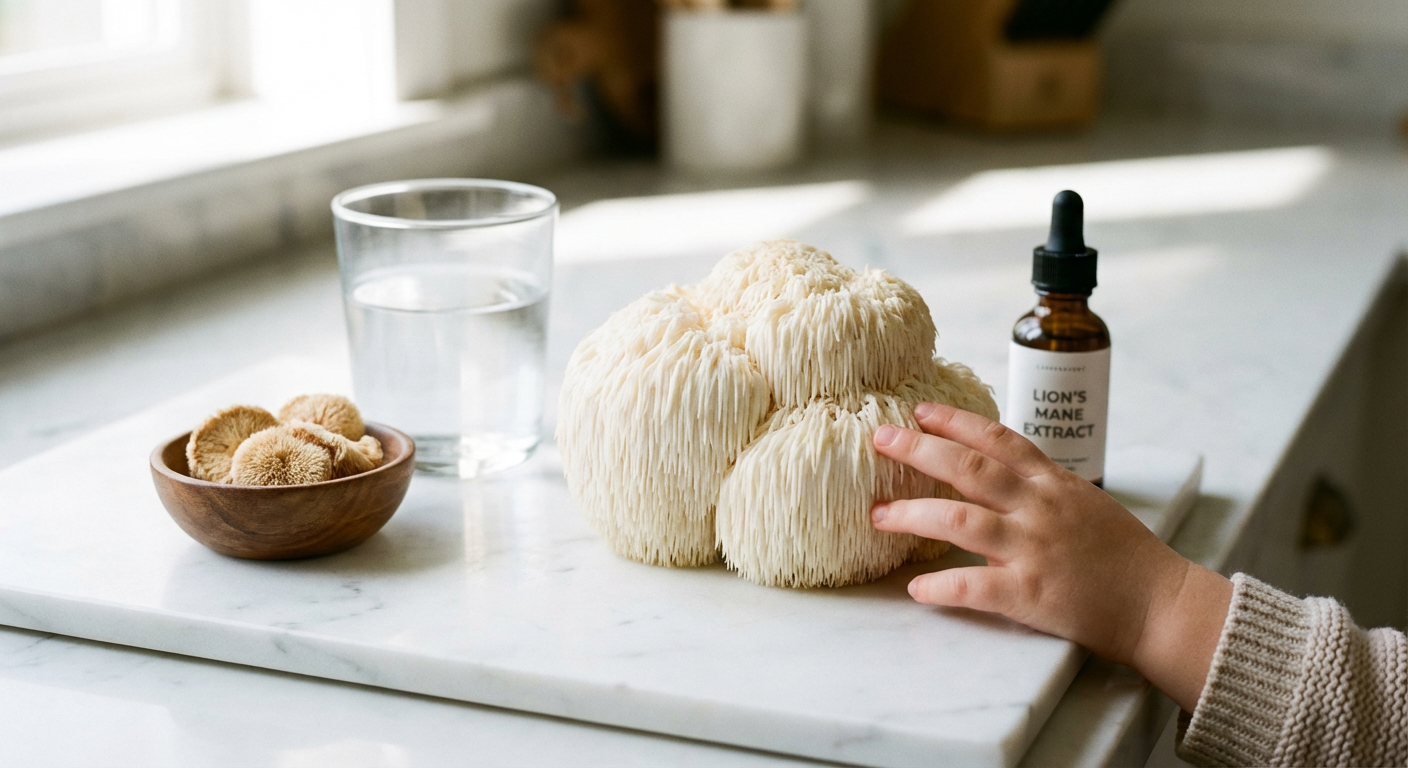
Lion’s mane is an edible mushroom with a long history in traditional Asian medicine. Unlike typical mushrooms, it contains unique compounds called hericenones and erinacines that can cross the blood-brain barrier and stimulate nerve growth factor (NGF) production. According to WebMD, these compounds are being studied for their potential to protect and grow nerve cells.
For parents exploring calming supplements for children or kids focus supplements, lion’s mane offers complementary cognitive benefits without sedating effects. You can also read Lion’s Mane and Children: Understanding the Hype and the Research to see how it fits into a modern wellness routine.
Is Lion’s Mane Safe for Kids?
Yes, lion’s mane is generally considered safe for children when given in appropriate doses. As a food-based supplement with centuries of culinary use, it has an excellent safety profile. However, parents should:
- Start with a low dose and observe for any reactions
- Choose products specifically formulated for children
- Consult a pediatrician before starting any supplement regimen
- Avoid if your child has mushroom allergies
When combined with good sleep habits like a proper bedtime routine for restless children, research from the Sleep Foundation suggests that consistent rest is vital for cognitive function, and lion’s mane can be part of a comprehensive approach to supporting your child’s brain development. Many families find it helpful to read our guide to magnesium for kids’ sleep and focus to see how different natural supports work together.
Brain Benefits for Children
Focus and Attention
Research suggests lion’s mane may support sustained attention and reduce mental fatigue—particularly helpful for school-age children facing increasing academic demands. Insights from Psychology Today highlight how certain mushrooms may help modulate the stress response and improve mental clarity. Beyond mushrooms, understanding Magnesium and Children: What’s Its Role in Daily Health? can provide a more complete picture of nutritional support for concentration.
Memory Support
The NGF-boosting properties of lion’s mane have been linked to improved memory formation and recall in studies, though more pediatric-specific research is needed. For those interested in the history of this supplement, you can take a closer look at its traditional and current uses in modern pediatric care.
Mood Balance
Some studies indicate lion’s mane may help reduce mild anxiety and support emotional regulation in children. For a broader look at essential nutrients, you might also want to explore why zinc is in so many supplements for children’s brain function.
Proper Lion’s Mane Dosage for Kids
Dosing should be adjusted by age and weight. General guidelines:
- Ages 4-8: 250-500mg daily
- Ages 9-12: 500-750mg daily
- Ages 13+: 750-1000mg daily
Many parents prefer focus gummies for kids that combine lion’s mane with other brain-supporting ingredients in child-friendly doses. While mushrooms are powerful, you might also want to check out our magnesium for kids sleep and focus guide to see how minerals play a role in cognitive health.
What About Toddlers?
For children under 4, we recommend consulting your pediatrician before introducing lion’s mane. While the mushroom itself is safe as a food, concentrated supplements may not be appropriate for very young children. In the meantime, ensuring they get enough B-vitamins is crucial, and you can learn more in our article understanding vitamin B6 & B12 for children.
Choosing a Quality Lion’s Mane Supplement
Not all lion’s mane products are created equal. Look for:
- Fruiting body extracts (not just mycelium)
- Standardized beta-glucan content
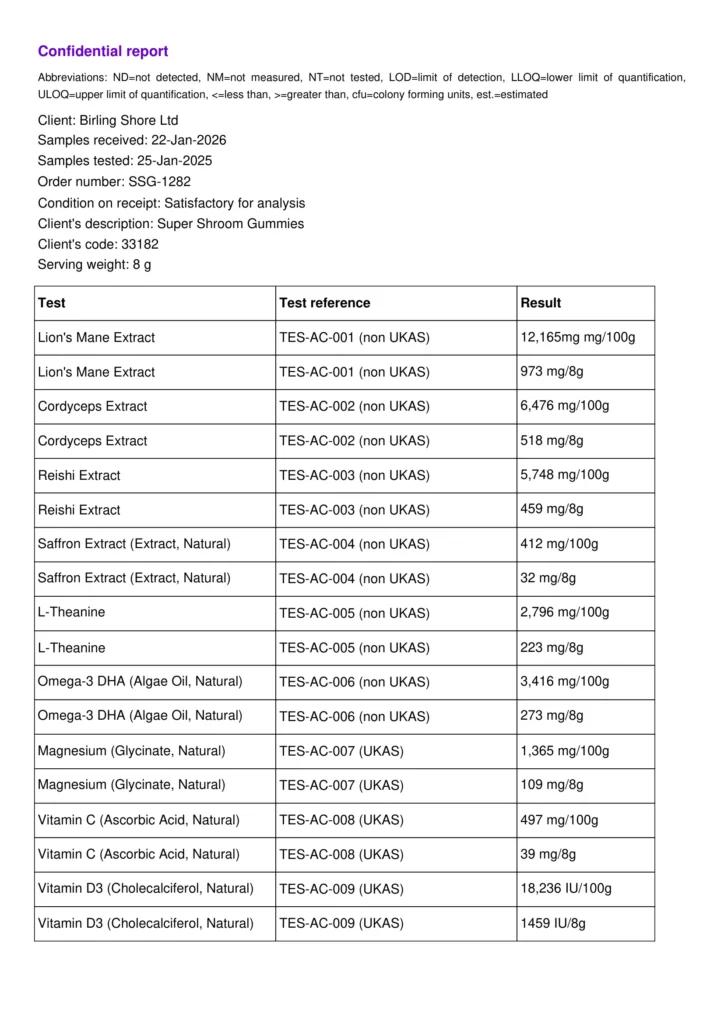
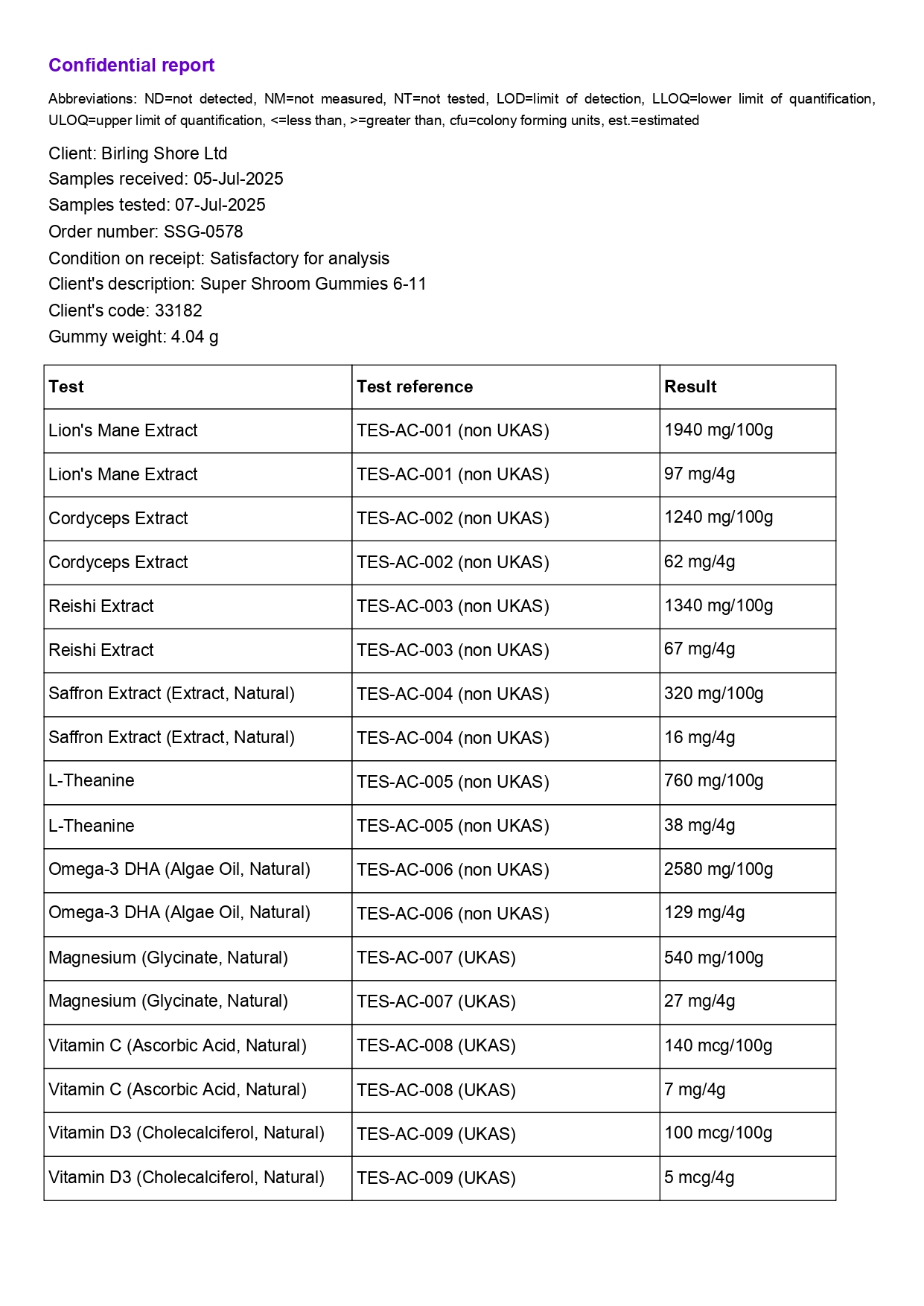
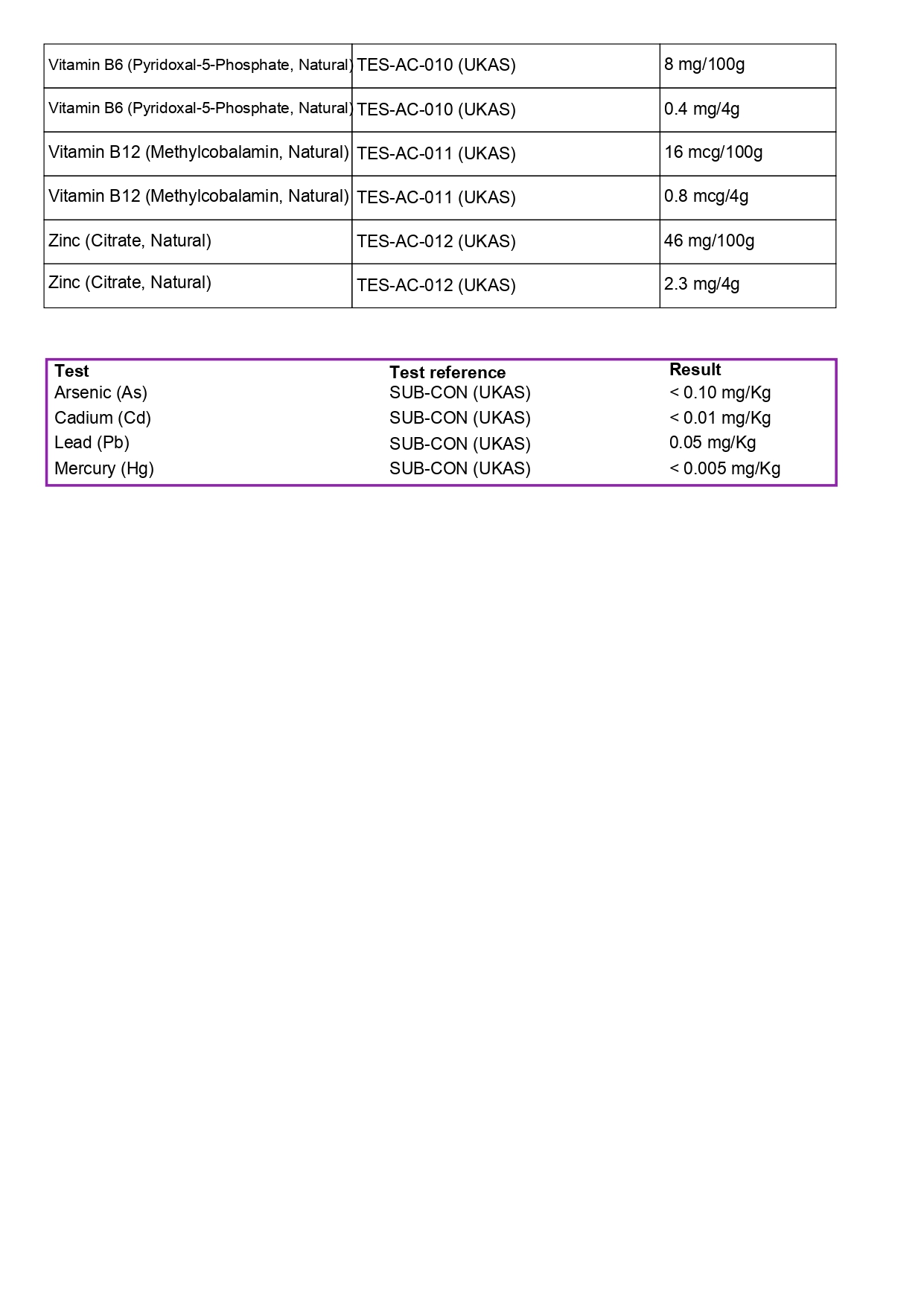
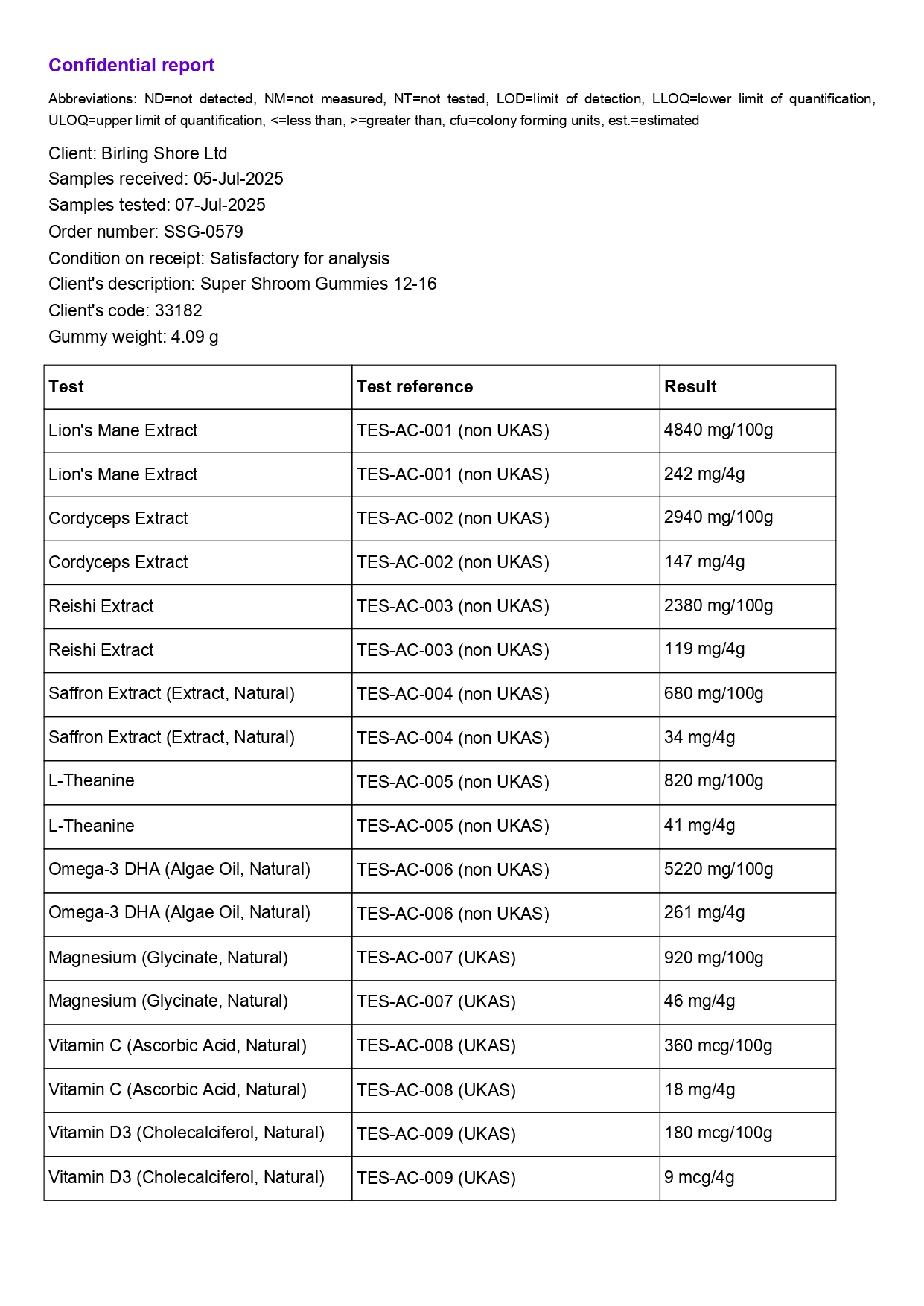
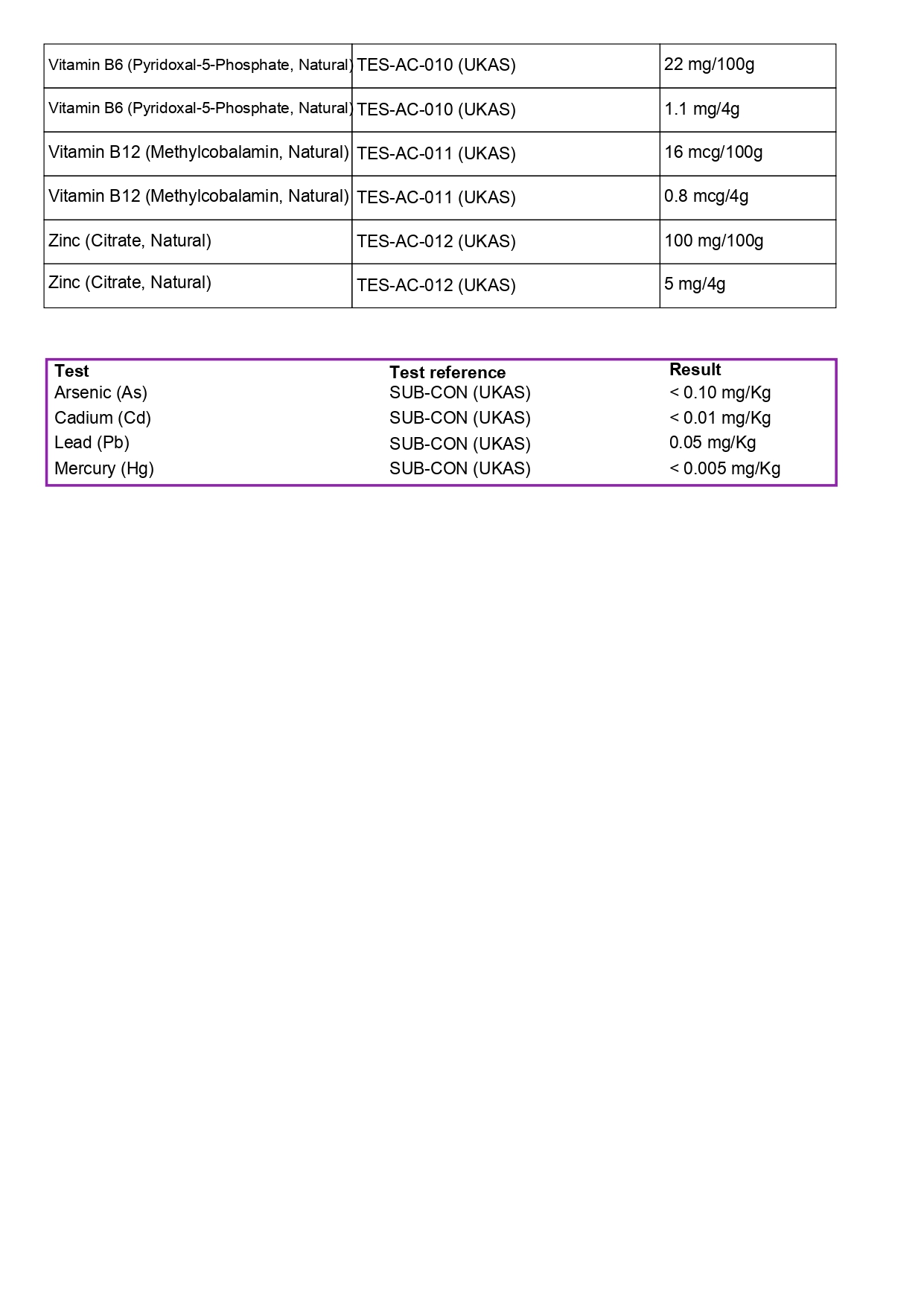
- Third-party testing for purity
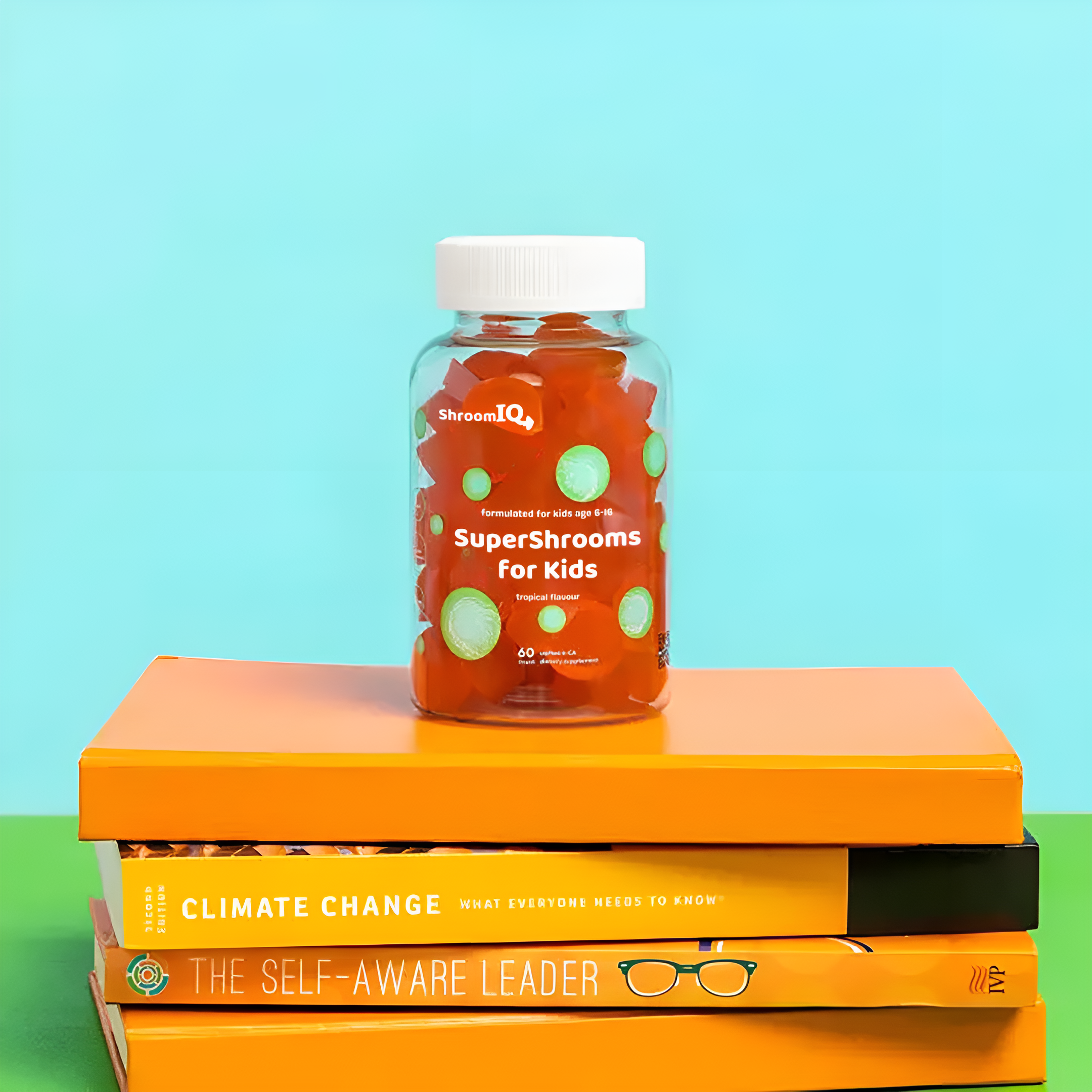
- Child-appropriate delivery formats like calm gummies for children
For a science-backed option designed specifically for children, consider natural brain support for children that combines lion’s mane with complementary nutrients.
Frequently Asked Questions
Is lion’s mane safe for kids?
Yes, lion’s mane is generally safe for children over 4 years old when given in age-appropriate doses. It has been consumed as food for centuries and has an excellent safety record. Always start with a low dose and consult your pediatrician if you have concerns.
Can toddlers take lion’s mane mushroom?
We recommend waiting until age 4 before introducing lion’s mane supplements. Toddlers may consume small amounts of lion’s mane as food, but concentrated supplements should be discussed with a pediatrician first.
What is the proper lion’s mane dosage for children?
Dosing varies by age: 250-500mg daily for ages 4-8, 500-750mg for ages 9-12, and 750-1000mg for teens. Start with the lower end and adjust based on your child’s response.
Does lion’s mane help kids with focus and memory?
Research suggests lion’s mane supports nerve growth factor production, which may enhance focus, attention span, and memory formation. Many parents report improvements in their children’s concentration at school.
Are there side effects of lion’s mane for children?
Side effects are rare and typically mild, including occasional digestive upset when first starting. Children with mushroom allergies should avoid lion’s mane. Discontinue use if you notice any adverse reactions.
The Bottom Line
Lion’s mane offers promising cognitive benefits for children, supported by its traditional use and emerging research. When chosen carefully and dosed appropriately, it can be a valuable addition to your child’s wellness routine—especially when combined with good nutrition, adequate sleep, and regular physical activity.