I’ve sat across from hundreds of parents during parent-teacher conferences, and the conversation often starts the same way. A parent leans in, looks at the stack of half-finished worksheets, and sighs: “I know they’re smart, they just can’t seem to stay in their seat or finish a task.”
As an educator, I see this every day. The modern classroom is a whirlwind of stimuli, and for many children, maintaining focus feels like trying to read a book in the middle of a carnival. When parents ask me how to help child focus in school naturally, they aren’t looking for a quick fix; they are looking for sustainable ways to support their child’s developing brain, often starting with natural focus support for children to bridge the gap. These struggles often follow the student home, so it is equally important to learn how to help child focus on homework: expert strategies that complement their school day.
Understanding the ‘Focus Gap’ in the Classroom
Focus isn’t just about willpower; it’s a biological function of the prefrontal cortex. According to resources at Psychology Today, executive function—the mental skills that help us get things done—develops well into a person’s twenties. When a child struggles to focus, it’s often because their “internal filing system” is overwhelmed.
In my experience, natural focus support starts at home, long before the first school bell rings. It involves a three-pillared approach: biological priming, environmental shifts, and targeted nutritional support. You can learn more about these foundational elements in our guide to common nutrients found in kids’ supplements.
1. Prime the Brain with Targeted Nutrition
You wouldn’t expect a car to run on an empty tank, yet many students arrive at school after a breakfast of sugary cereal that leads to a mid-morning crash. To support cognitive endurance, we need to look at specific nutrients that promote brain health. While many focus on minerals, it is also helpful to take vitamin C for children: a closer look at its role in the body and its role in protecting brain cells from oxidative stress.
The Power of Omega-3 DHA
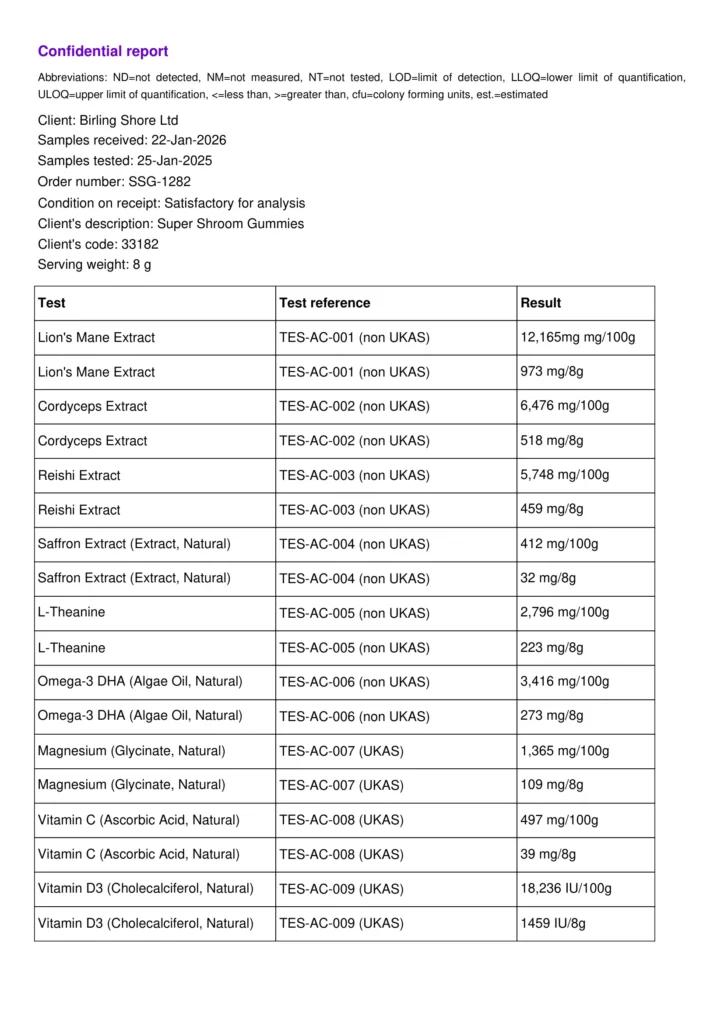
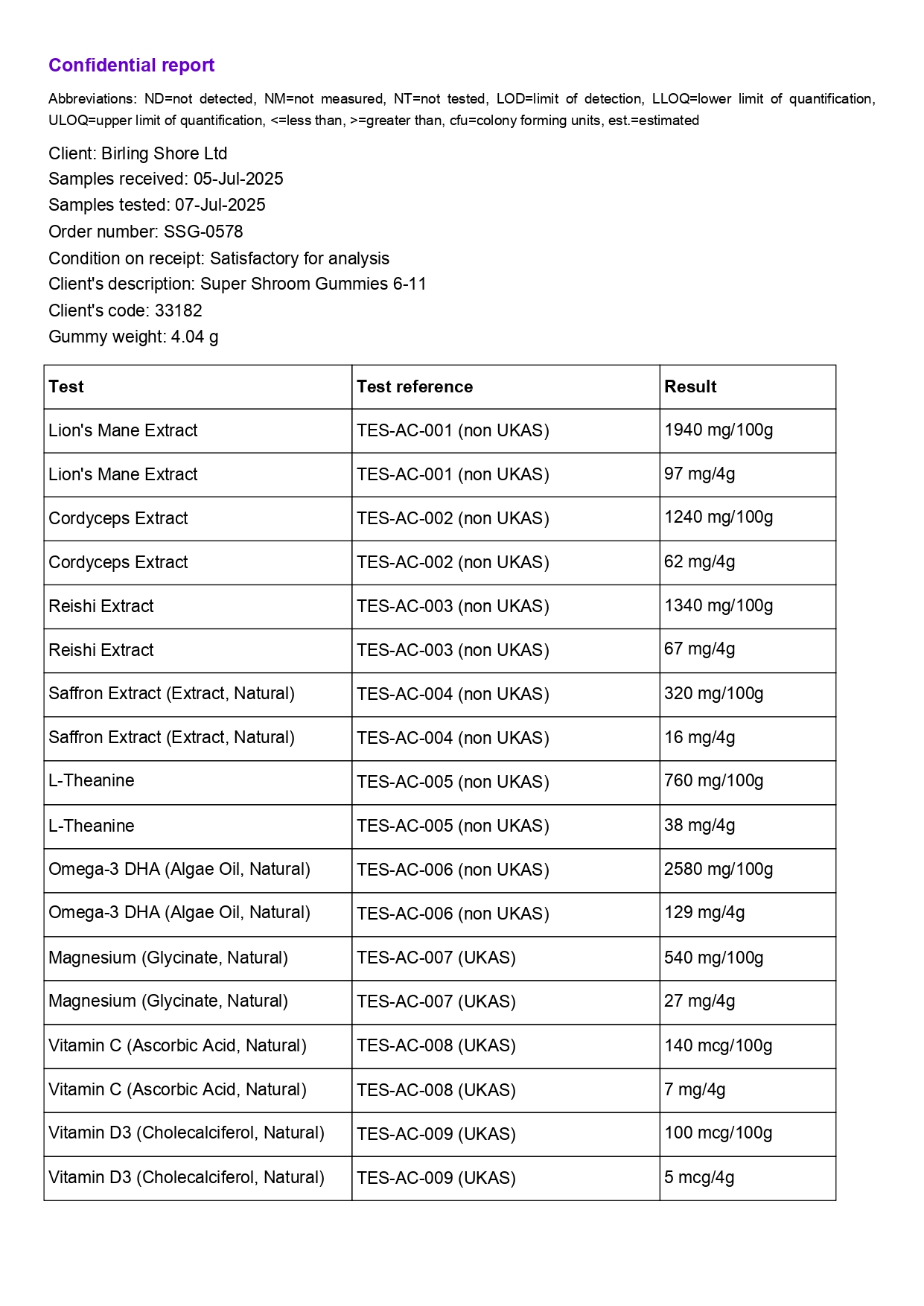
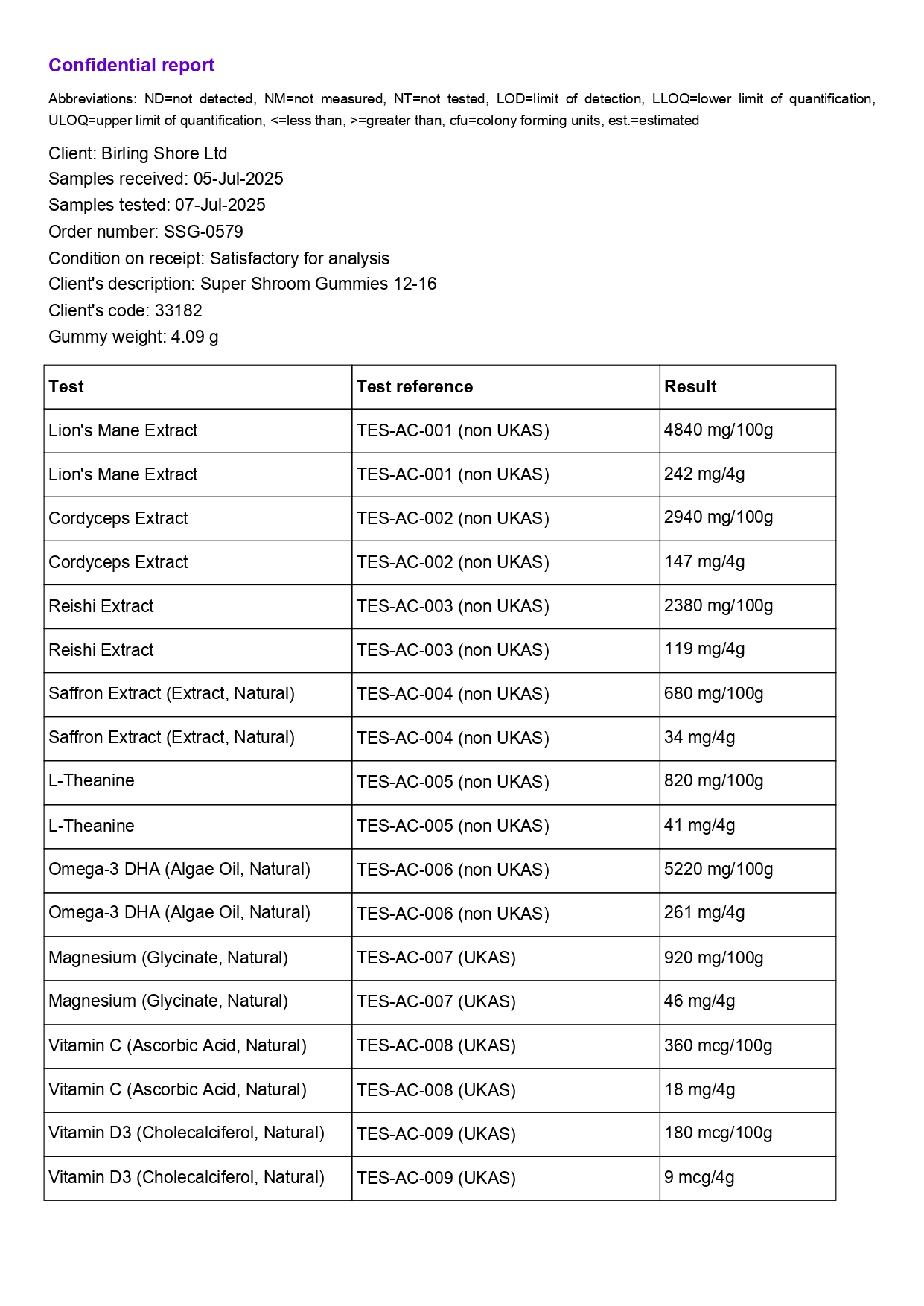
Research frequently highlights the importance of healthy fats. Omega-3 DHA is a primary structural component of the brain. I often tell parents that if the brain were a highway, Omega-3s would be the pavement. Without them, the signals simply can’t travel as fast or as clearly.
Lion’s Mane: The Educator’s Secret
While less traditional than a daily vitamin, Lion’s Mane mushroom is gaining traction for its ability to support Nerve Growth Factor (NGF). This supports the brain’s ability to form new connections—essential for learning new math concepts or vocabulary words. For those interested in holistic options, we have a detailed look at functional mushrooms for children and their traditional uses.
Magnesium for the ‘Wired but Tired’ Child
If your child is restless or struggles with “first-bell jitters,” Magnesium can be a game-changer. It promotes a sense of calm, helping children transition from the high energy of the playground to the focused quiet of the classroom. You can read more in our parent’s guide to magnesium for kids’ sleep and focus to see how this mineral impacts daily performance.
2. The Sleep-Focus Connection
I can usually tell which of my students stayed up late by 10:00 AM. Sleep deprivation can lead to attention challenges. The Mayo Clinic emphasizes that school-age children need between 9 and 12 hours of sleep per night for optimal cognitive function.
To help your child focus naturally, establish a “digital sunset.” Turn off screens 60 minutes before bed. Blue light interferes with melatonin production, making it harder for the brain to enter the deep, restorative sleep cycles where memory consolidation happens. For families struggling with the evening transition, implementing a science-backed bedtime routine for restless children can significantly improve morning alertness.
3. Sensory Breaks and Physical Movement
One of the best ways to help a child focus in school naturally is to advocate for movement. The brain-derived neurotrophic factor (BDNF) released during exercise acts like “nutritional support” for the brain.
-
Heavy Work: Before school, have your child do “heavy work” like carrying a backpack or helping move groceries. This provides proprioceptive input that can be very grounding.
-
Brain Breaks: Encourage your teacher to allow short stretching breaks. Even 60 seconds of jumping jacks can reset a child’s attention span.
People Also Asked: Common Parent Concerns
Can diet really affect school performance?
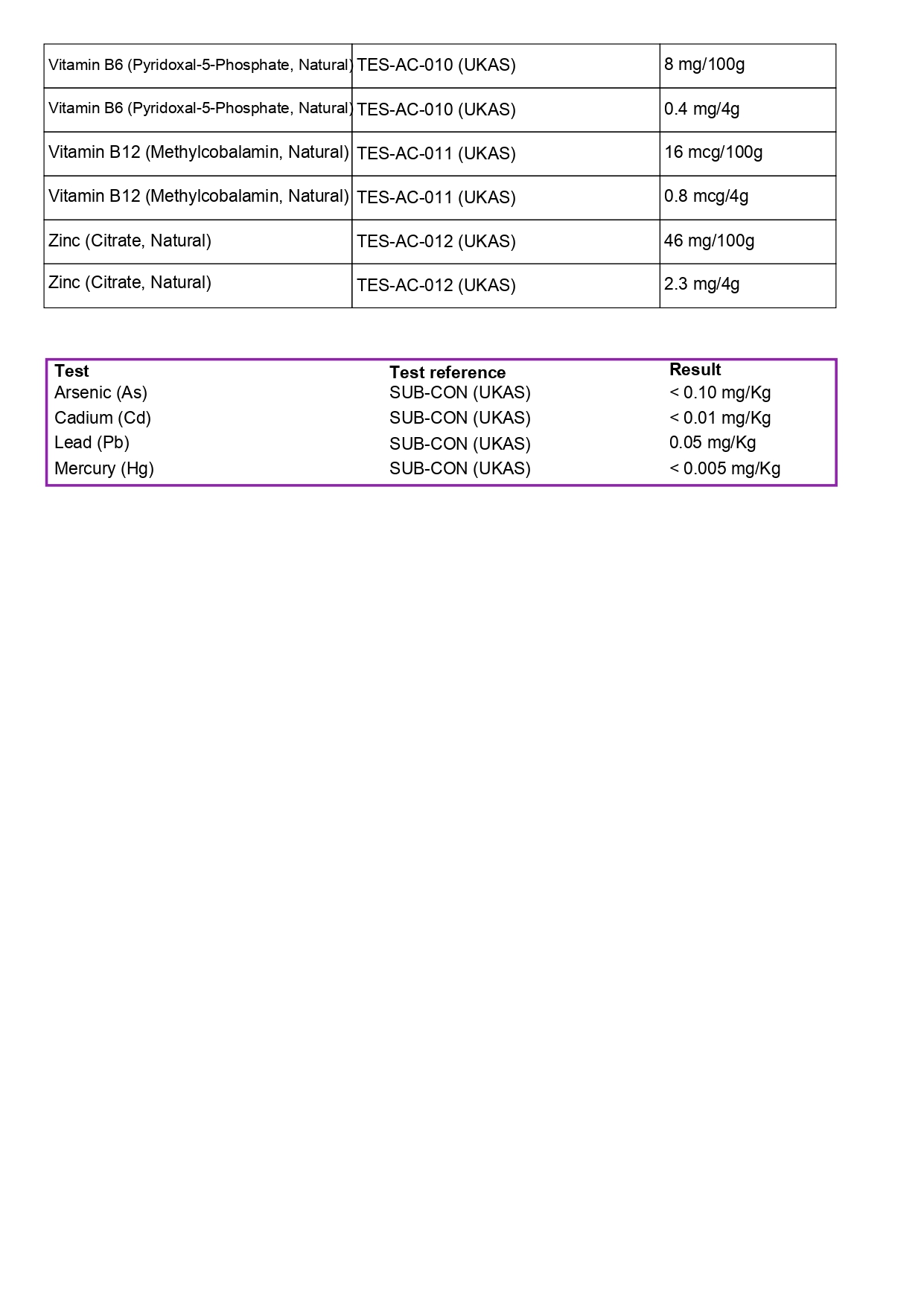
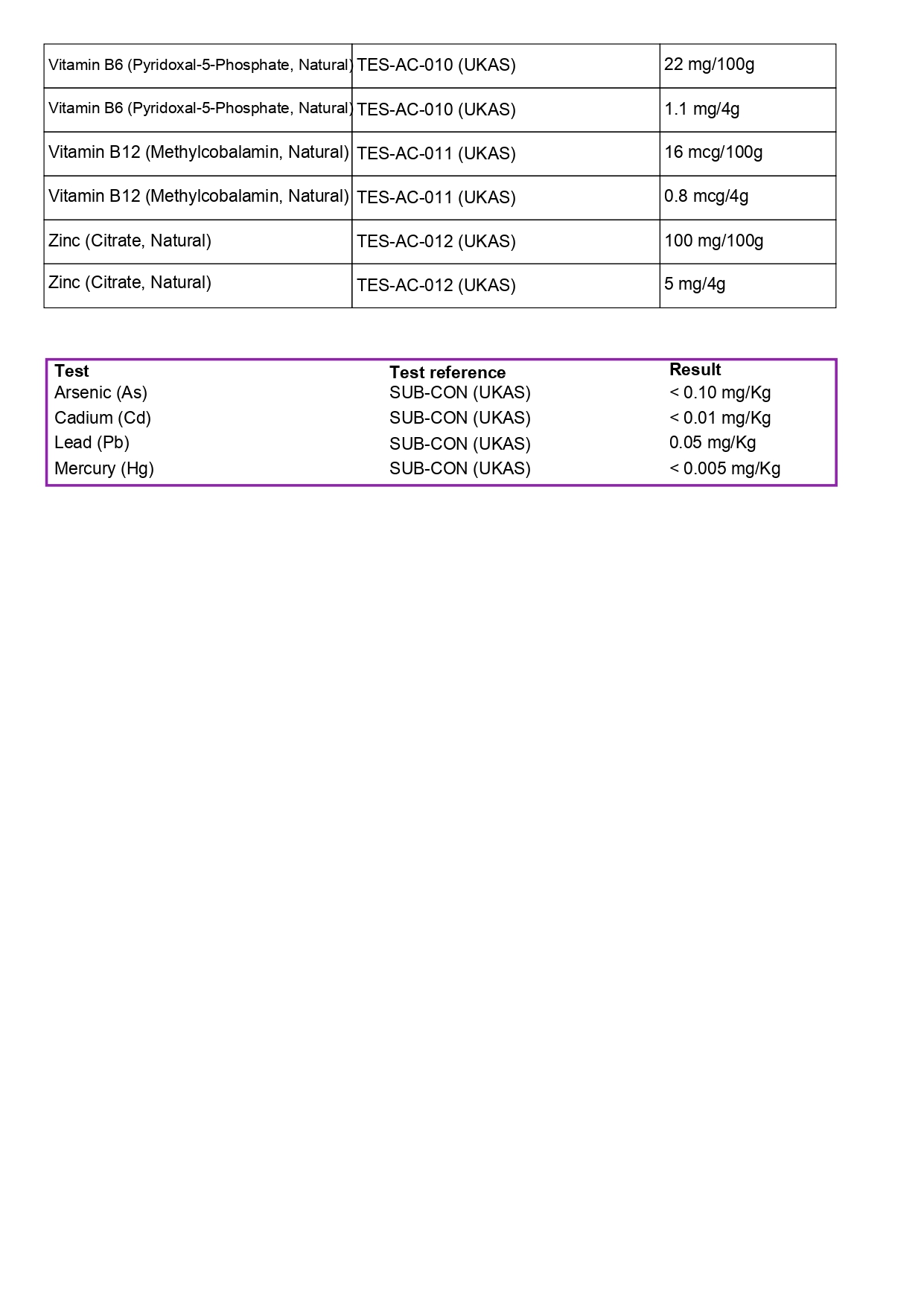
Absolutely. Diets high in processed sugars lead to glucose spikes and drops, which manifest as irritability and “brain fog.” Incorporating Vitamin B6 helps the body produce neurotransmitters like serotonin and dopamine, which are critical for mood and concentration. Many parents also find it helpful to take a closer look at the role of Vitamin C in supporting overall brain health and immunity.
What are the best natural focus boosters for kids?
Beyond a solid routine, look for ingredients that promote steady energy rather than a jolt. Cordyceps can support natural energy levels without the jitters associated with caffeine or sugar, helping a child stay engaged through the final period of the day. Many parents find that high-quality kids focus supplements provide the necessary nutritional foundation for these busy school days.
Conclusion: Small Changes, Big Results
Helping your child focus naturally isn’t about one single supplement or one perfect routine. It’s about creating an environment where their brain can thrive. By focusing on Omega-3 DHA for brain structure, Magnesium for calm, and ensuring plenty of physical movement, you provide the tools they need to succeed.
Next time you sit down for a parent-teacher conference, you might find that the conversation isn’t about unfinished work, but about how much your child has grown. Start with one change this week—perhaps a better breakfast or a stricter bedtime—and watch the ripples of improvement in their school day.