It usually happens just as you’ve finally settled onto the couch for the evening. A small voice calls out from the hallway, or a tearful face appears at your bedside. “My legs hurt, Mommy.” If you’ve spent your nights massaging little calves and shins, you know the heartbreak of growing pains. While they are a normal part of development, watching your child struggle is never easy.
What Exactly Are Growing Pains?
Growing pains typically affect children between the ages of 3 and 12. Despite the name, there is no evidence that the actual growth of bones causes the pain. Instead, these aches are often linked to the physical toll of a day full of running, jumping, and climbing. According to WebMD, growing pains usually occur in the late afternoon or evening and often disappear by morning.
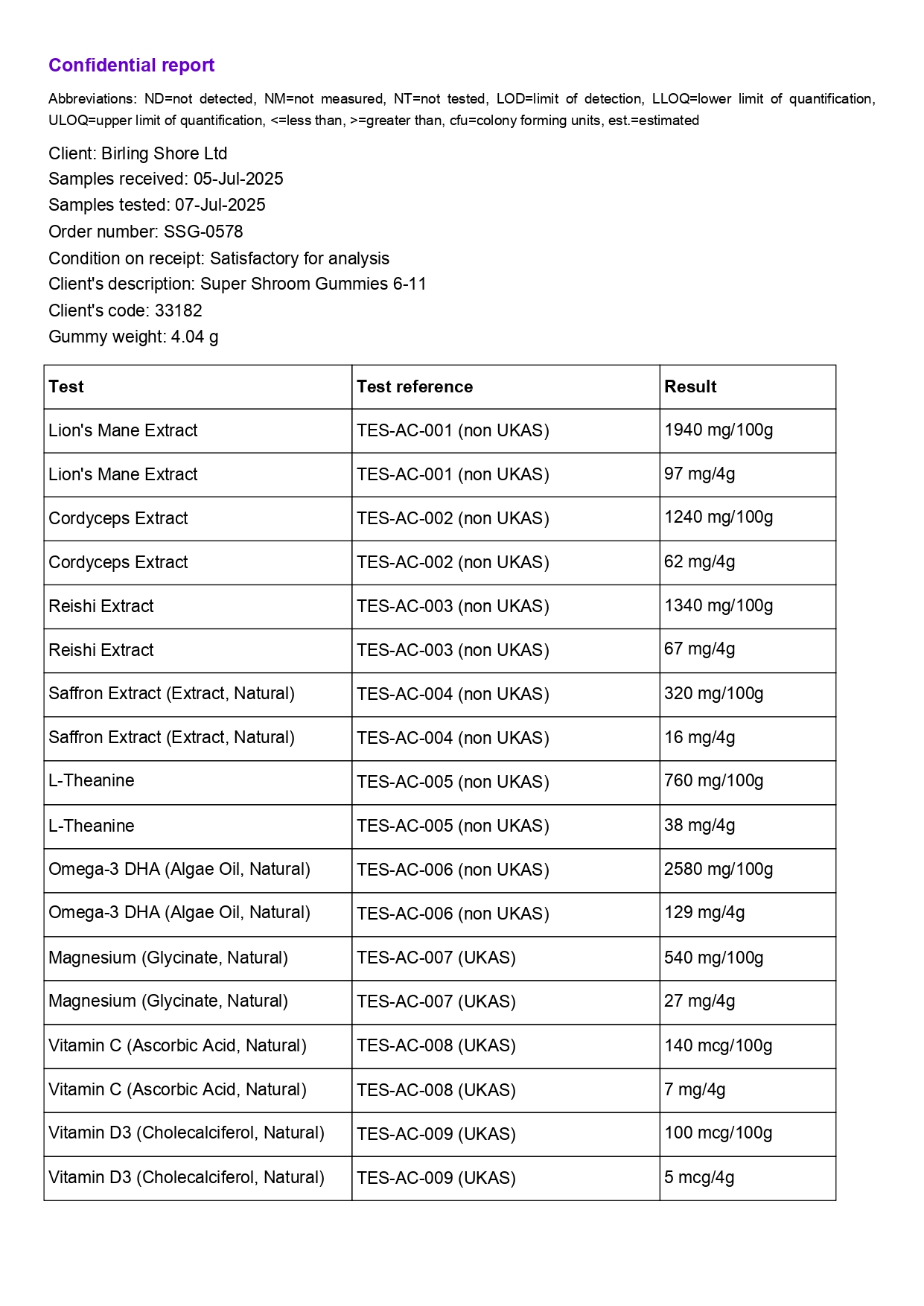
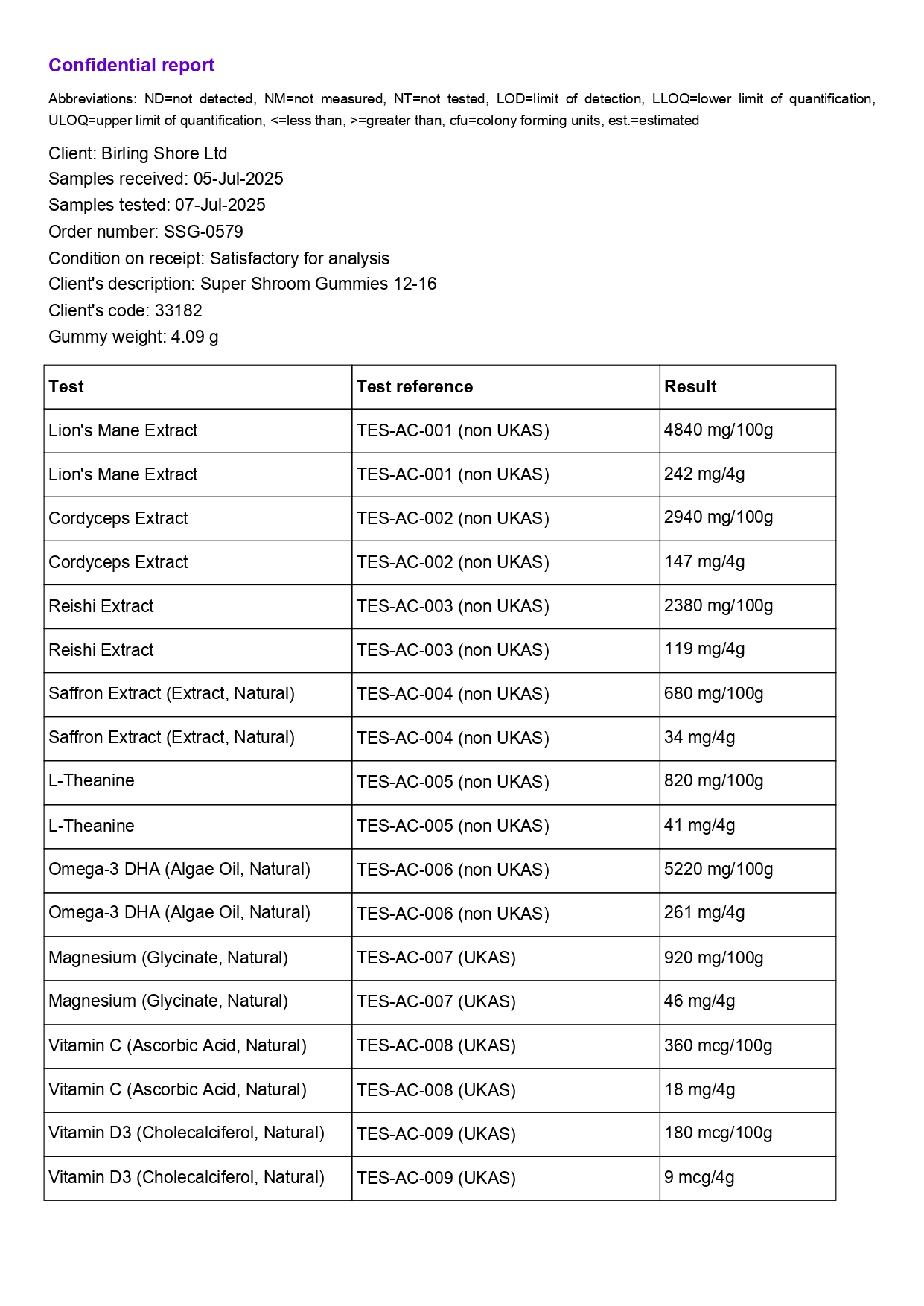
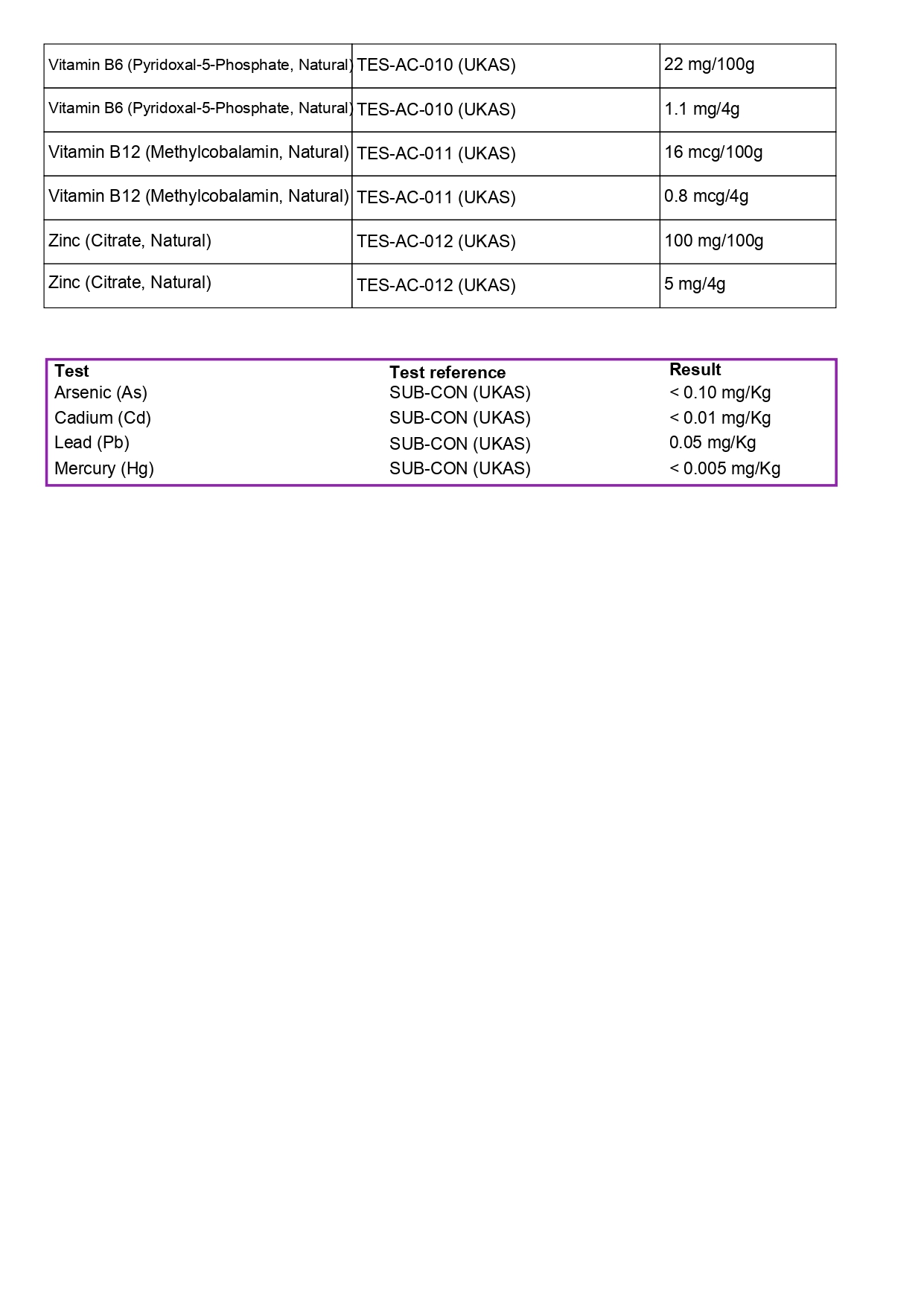
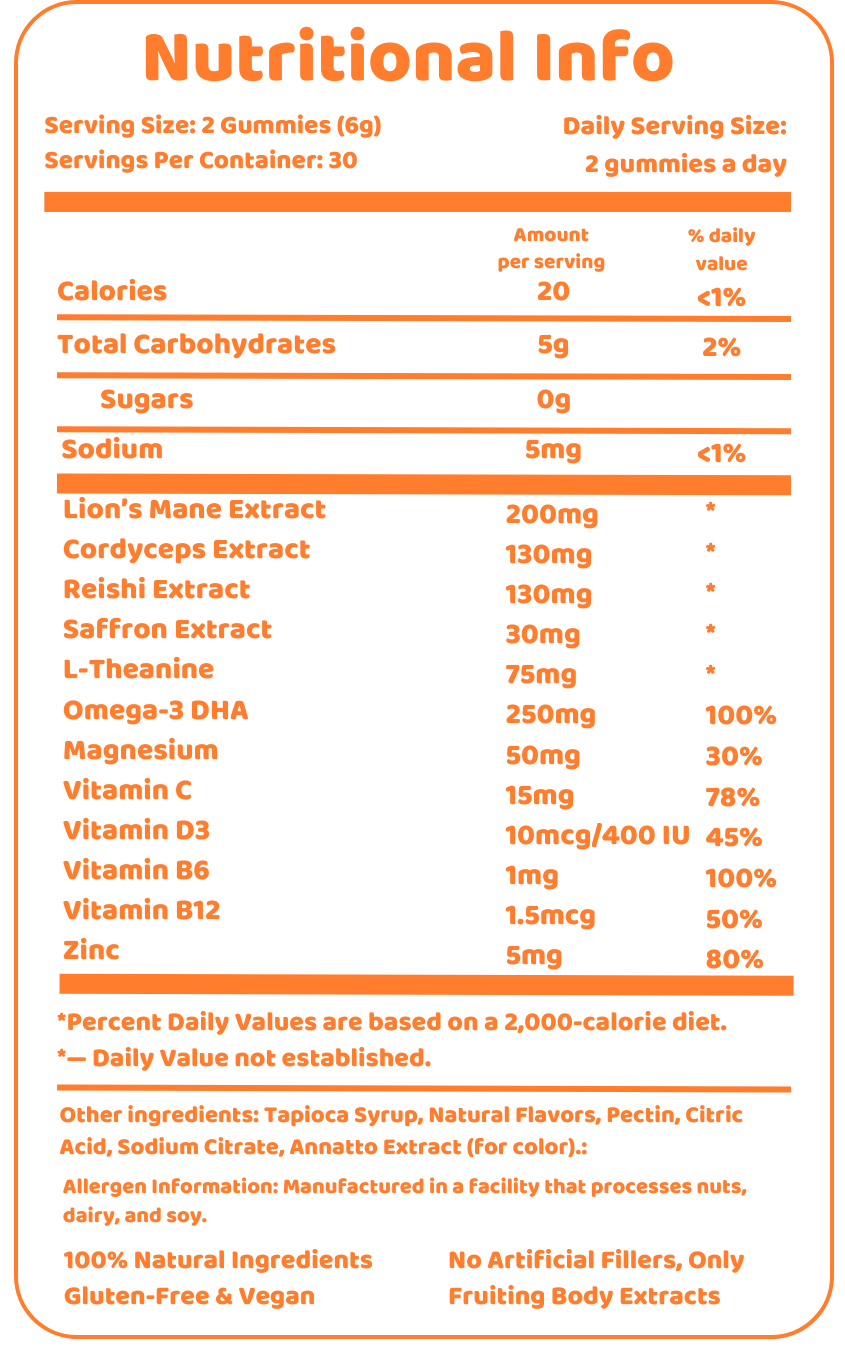
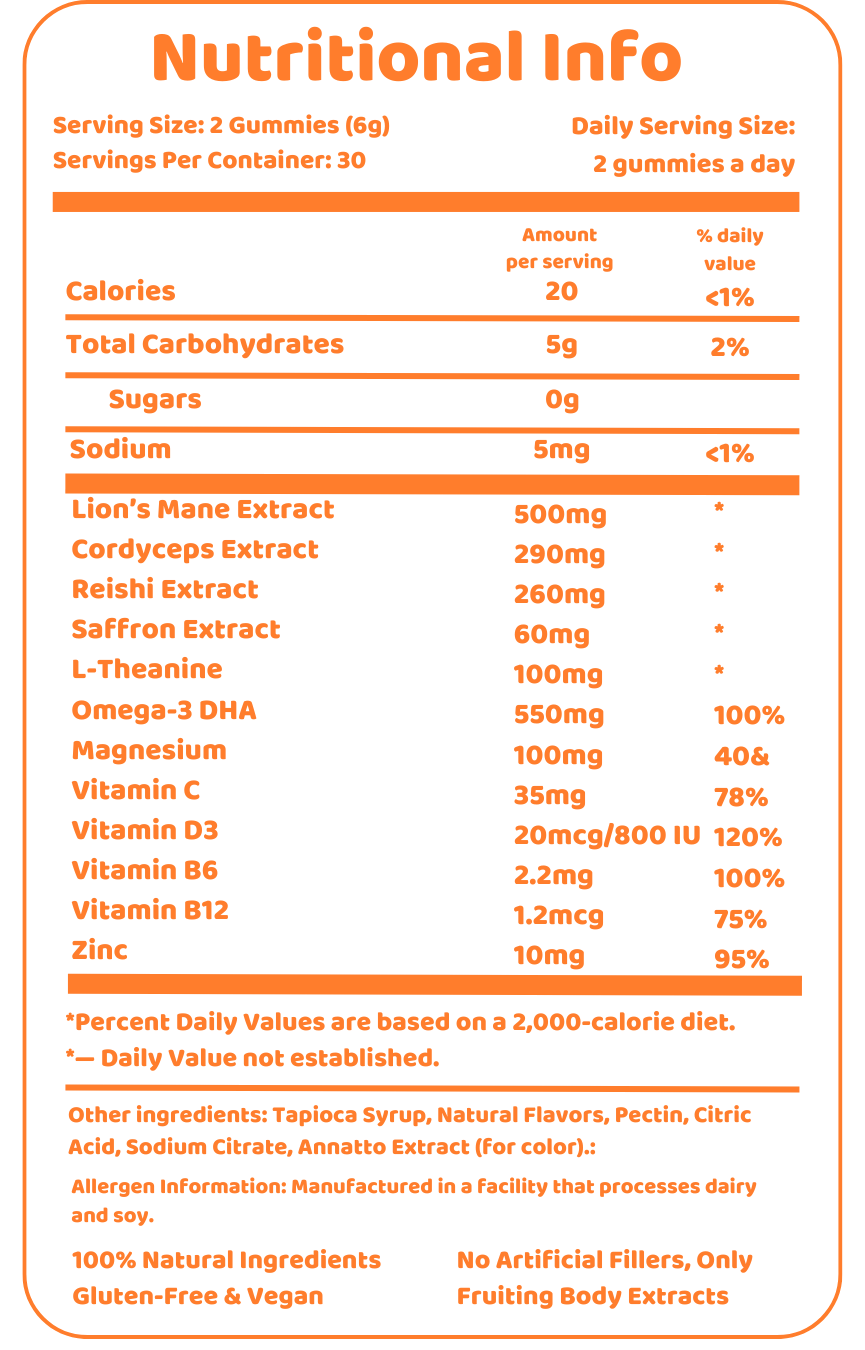
As parents, we want to provide comfort without always reaching for the supplement cabinet. This is where mineral support comes in. Many families are finding that using focus gummies for kids that contain essential minerals can be a helpful part of a daily wellness routine to support overall physical comfort. Understanding magnesium and children: what’s its role in daily health? can help you see how this mineral supports more than just growing limbs.
The Role of Magnesium for Kids with Growing Pains
Magnesium is a powerhouse mineral involved in over 300 biochemical reactions in the body. For children experiencing leg discomfort, magnesium is particularly important because it helps regulate muscle contractions and relaxation. When magnesium levels are optimal, muscles can relax more effectively after a day of heavy play.
How Magnesium Supports Little Legs
- Muscle Relaxation: Magnesium acts as a natural calcium blocker, helping muscles relax after they contract.
- Nervous System Calm: It helps regulate neurotransmitters that send messages throughout the brain and nervous system, promoting a sense of calm.
- Improved Sleep Quality: Research from the Sleep Foundation suggests that magnesium can help improve sleep quality by maintaining healthy levels of GABA, a neurotransmitter that promotes sleep.
Signs Your Child Might Need More Magnesium
While growing pains are common, sometimes they are exacerbated by a lack of magnesium in the diet. Since many kids are picky eaters, they might miss out on magnesium-rich foods like spinach, almonds, and black beans. Signs of low magnesium can include restless sleep, irritability, and frequent muscle cramps. Providing a high-quality brain food for kids that includes a spectrum of vitamins and minerals can help bridge these nutritional gaps. For more information on how this mineral impacts behavior and rest, check out our guide on magnesium for kids sleep and focus.
Natural Ways to Manage Growing Pains
Beyond supplementation, there are several ways to help your child find support:
- Warm Baths: Adding Epsom salts (which are magnesium sulfate) to a warm bath before bed can help relax tired muscles.
- Gentle Stretching: Focus on the calves and hamstrings before bedtime.
- Hydration: Ensure your child is drinking enough water throughout the day, as dehydration can make muscle aches worse.
Safety and Dosage
When considering magnesium for kids with growing pains, it is always best to consult with your pediatrician first. According to the NIH, the recommended daily allowance for magnesium varies significantly by age. Too much magnesium can cause an upset stomach or diarrhea, so finding the “sweet spot” for your child’s specific needs is key.
Read Next
Conclusion
Growing pains are a fleeting, albeit painful, phase of childhood. By focusing on mineral support like magnesium, gentle stretching, and a consistent evening routine, you can help your child move through these “growing years” with more comfort and better sleep. Remember, a happy, well-rested child is a child ready to take on the world—and their homework—the very next day.