Quick Answer: Help your child focus by establishing a consistent routine, creating a distraction-free zone, breaking tasks into manageable chunks, and supporting cognitive function with proper nutrition and targeted supplements for brain support.
I’ve sat across from hundreds of parents during parent-teacher conferences, and the most common concern isn’t usually the curriculum—it’s the homework hurdle. It usually sounds like this: “He’s brilliant, but it takes him three hours to do twenty minutes of math.” As an educator, I’ve seen firsthand that focus isn’t a lack of willpower; it’s a skill that requires the right environment and internal support. Many of the strategies used at home mirror the techniques used in the classroom; for more on this, you can read our teacher’s guide to helping children focus in school naturally. When we discuss focus supplements for students, we are looking at just one piece of a larger puzzle that includes routine, biology, and emotional regulation. For parents exploring natural options, it can be helpful to review an overview of popular functional mushroom products for children to see what might fit their needs.
Understanding the ‘Focus Gap’ in Children
Before we can support the focus, we have to understand why it’s slipping. From a developmental perspective, a child’s executive function—the brain’s air traffic control system—is still under construction. Research published in Nature Neuroscience suggests that the prefrontal cortex doesn’t fully mature until the mid-twenties. This means children often lack the natural ability to filter out the hum of the refrigerator or the lure of a nearby toy, a developmental stage often highlighted in research from KidsHealth. To bridge this gap, parents can implement a teacher’s guide to helping children focus in school naturally by applying classroom-tested structure to the home environment.
1. Create a ‘Focus Sanctuary’
The physical environment is the biggest external influencer of attention. Many parents make the mistake of having children do homework at the kitchen island. While convenient for supervision, the kitchen is the highest-traffic area in most homes. Instead, designate a specific spot that is used only for schoolwork. This creates a psychological trigger: when the child sits here, the brain knows it is time to work.
2. The Power of Nutritional Support
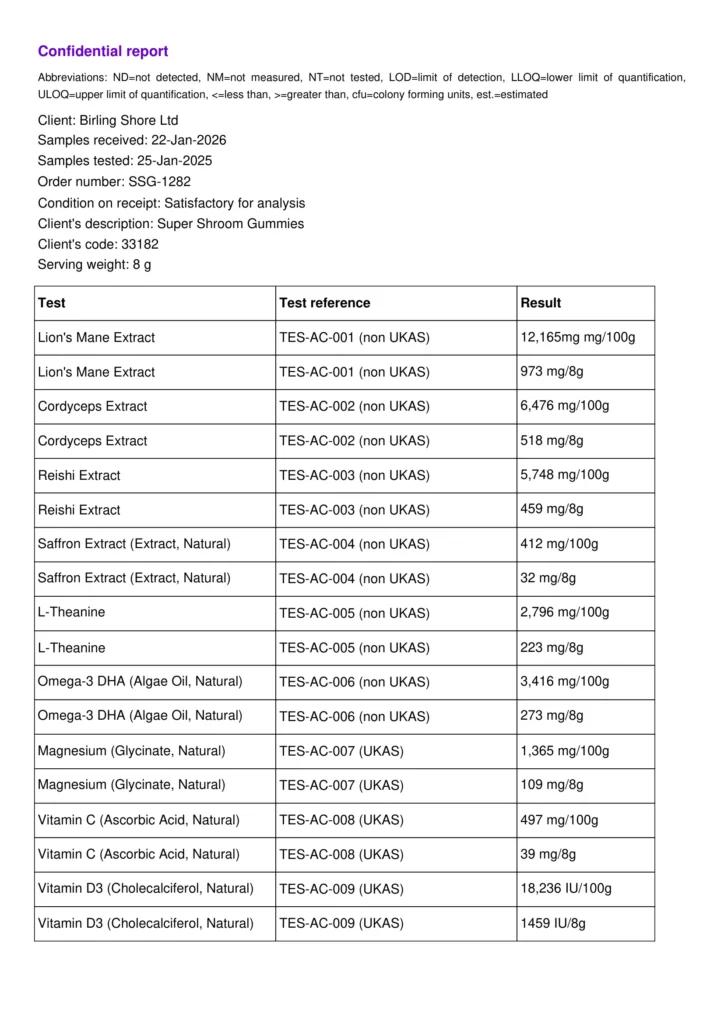
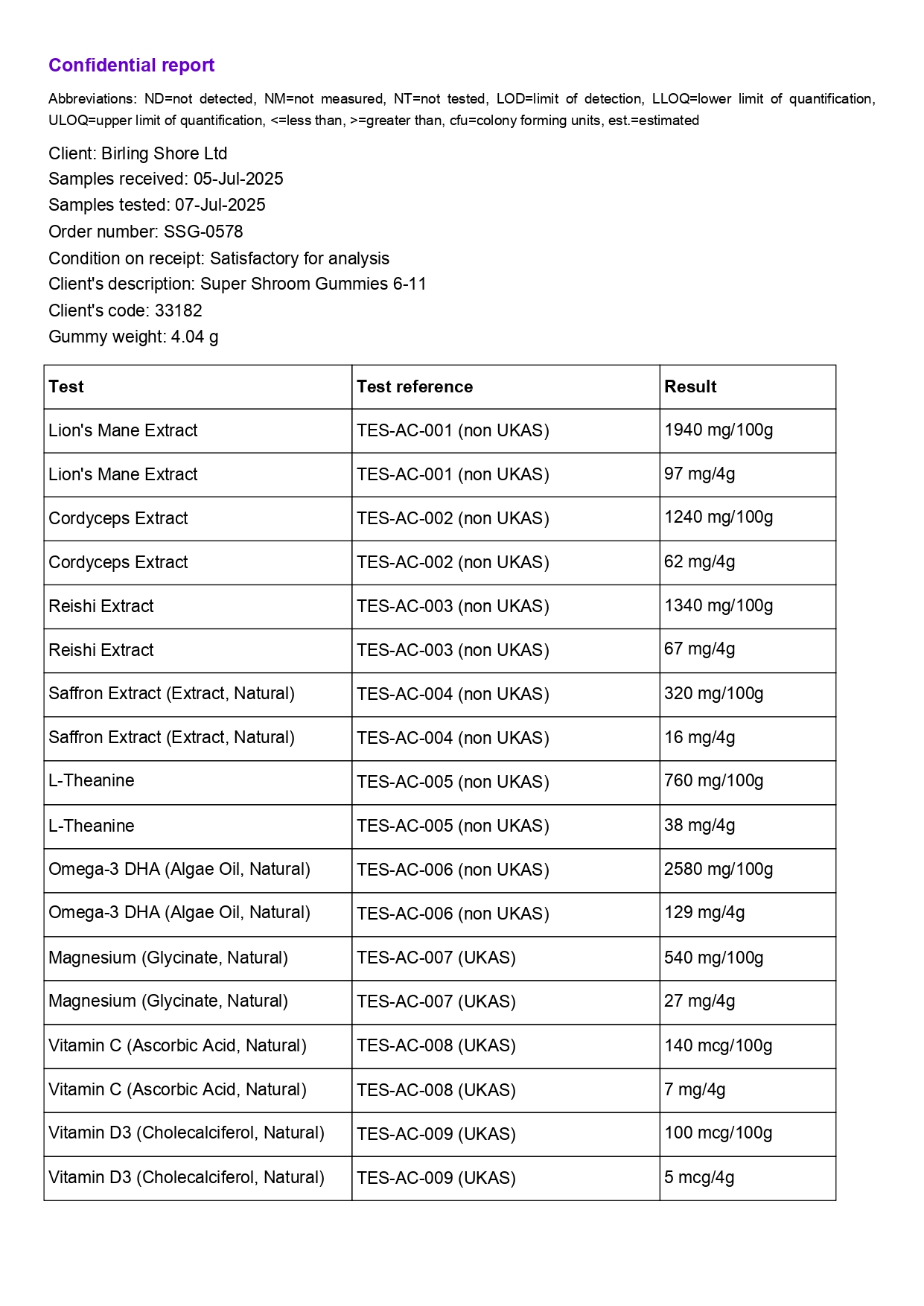
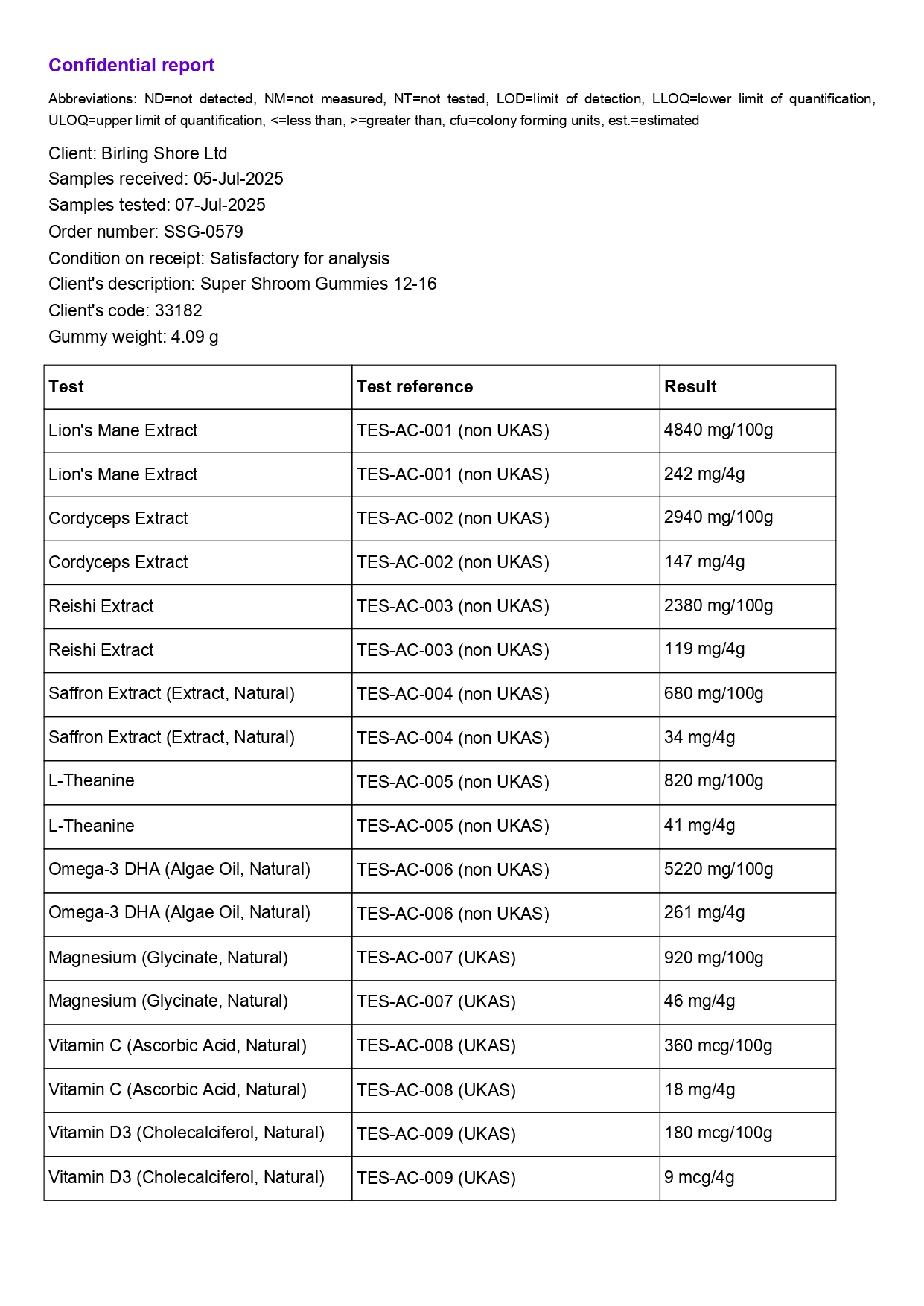
We often forget that the brain is a high-energy organ. If a child is depleted of essential nutrients, their cognitive endurance drops significantly. Ingredients like Lion’s Mane mushroom and Omega-3 DHA have been studied for their ability to promote neurogenesis and support the myelin sheath, which speeds up communication between brain cells. Supporting brain health for students through a balanced diet and targeted nutritional support can provide the biological foundation needed to stay on task during a long set of spelling words, according to nutritional guidelines from Cleveland Clinic.
Practical Techniques to Improve Concentration
The Pomodoro Technique for Kids
Children often feel overwhelmed by the sheer volume of a task. I recommend the “10-2 rule.” Have your child work with intense focus for 10 minutes, followed by a 2-minute movement break. This supports the mental fatigue that leads to staring blankly at a page. As their stamina grows, you can increase the work intervals.
Body Doubling
Sometimes, simply sitting in the same room—not hovering, but working on your own tasks like paying bills or reading—can help a child stay anchored. This is known as “body doubling.” It provides a subtle social pressure to stay on task without the child feeling like they are being watched or judged.
Common Questions About Homework Focus
How can I tell if my child has a focus challenge or is just tired?
Observation is key. If a child focuses well on things they enjoy (like LEGOs or drawing) but struggles with schoolwork, it may be an executive function or engagement concern. If they are struggling across the board, it may be related to sleep hygiene or nutritional gaps. Chronic fatigue often presents as irritability, whereas focus concerns present as distractibility.
Does screen time affect homework focus?
Yes. High-stimulation digital media provides instant dopamine hits. Transitioning from a fast-paced video game to a static math worksheet is physically difficult for a child’s brain. I recommend a 30-minute “digital sunset” before homework begins to allow the nervous system to settle, a practice supported by medical advice from Harvard Health regarding digital wellness.
The Role of Specific Nutrients
In my years in the classroom, I’ve noticed that students who have stable energy levels perform better. This is why I often suggest parents look into an overview of popular functional mushroom products for children to help bridge nutritional gaps:
-
Lion’s Mane: Supports nerve growth factor (NGF) and mental clarity.
-
Omega-3 DHA: Vital for structural brain health and cognitive processing.
-
Magnesium: Helps promote a sense of calm and a focused state of mind, reducing the “jitters” that prevent sitting still.
When introducing new supplements, it is essential to understand functional mushrooms for kids: safety, sources & what to consider to ensure you are making the best choice for your child’s specific needs. Recent industry trends show that interest in these natural aids is growing; for instance, you can view our Data Brief: Search Volume Spike for Pediatric Concentration Supplements to see how other parents are approaching this issue.
Conclusion: Building a Foundation for Success
Helping a child focus on homework isn’t about stricter discipline; it’s about better scaffolding. By combining a structured environment, manageable work intervals, and the right nutritional support, you move from being a “homework enforcer” to a “learning coach.” Remember that focus is a muscle—it takes time, patience, and the right fuel to grow strong.