The ‘Quiet’ Nutrient Making a Loud Difference in the Classroom
I’ve sat through hundreds of parent-teacher conferences over the years. Usually, the conversation follows a familiar pattern: we talk about reading levels, math facts, and then we hit the big one—focus. Parents often ask me, “What can we do at home to help them stay ‘on’ during the school day?”
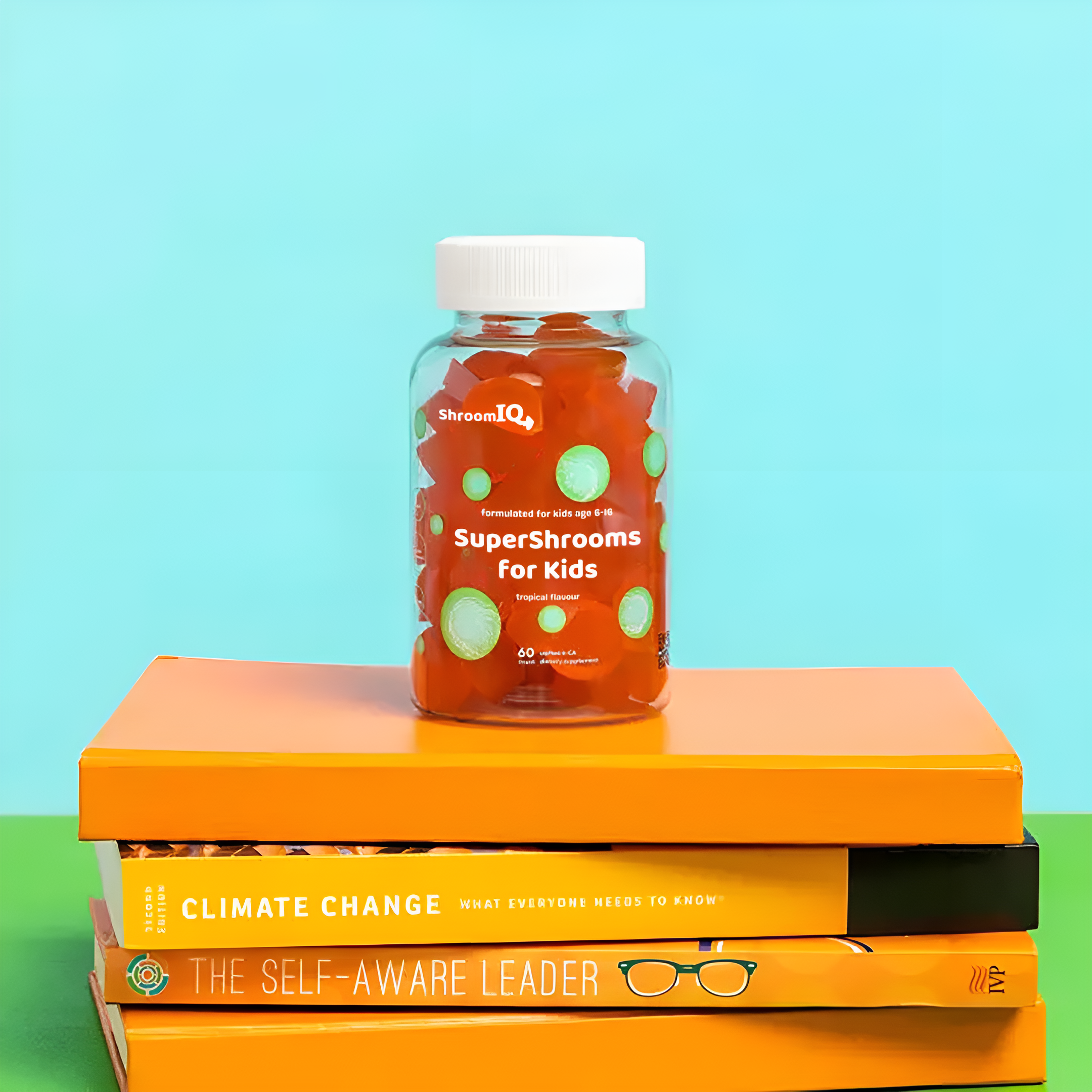
While we often discuss sleep schedules and screen time, there is a nutritional component that rarely gets the spotlight it deserves: choline for kids. As an educator, I’ve seen firsthand how a child’s internal ‘fuel’ dictates their ability to process complex instructions. Choline is a critical part of that fuel system, acting as a building block for the brain’s communication network. For parents looking to bridge nutritional gaps, high-quality kids vitamin gummies can be a convenient way to ensure these essential nutrients are present in a child’s daily routine. It is also helpful to take a closer look at vitamin C for children, as it plays a surprising role in protecting brain health alongside these other vital nutrients.
What is Choline and Why Does it Matter for Students?
Choline is an essential nutrient, meaning the body needs it to function but cannot produce enough of it on its own. It is often grouped with B vitamins because it works similarly to support metabolism and cellular health. According to resources like Healthline, choline is vital for the production of acetylcholine, a neurotransmitter that plays a starring role in mood, memory, and muscle control. Understanding how these chemical messengers work is just as important as understanding vitamin B6 & B12 for children, as they all work in tandem to maintain energy and cognitive clarity.
In my classroom, I think of acetylcholine as the ‘postal service’ of the brain. If the postal service is slow, the messages—like those tricky multiplication steps I just taught—don’t reach their destination. When a child has adequate choline, that messaging system is primed for speed and accuracy.
The Role of Choline in Brain Development
The need for choline starts long before a child ever picks up a backpack. It is foundational for the structural integrity of cell membranes. During the school years, the brain is undergoing rapid remodeling. Choline helps maintain the ‘wiring’ (myelin) that allows signals to travel efficiently between neurons. This is why many experts, including those at the CDC, emphasize the importance of balanced nutrition for long-term cognitive outcomes.
Key Benefits of Choline for Kids
1. Enhancing Memory Retention
Have you ever watched your child study for a spelling test, only to have the words vanish from their mind the next morning? That is a retrieval issue. Choline supports the hippocampus, the brain’s ‘hard drive’ for memory. Supporting this area can help children transition information from short-term to long-term memory more effectively.
2. Improving Sustained Focus
The modern classroom is full of distractions. For a child to stay focused on a long-form reading passage, their brain needs steady neurochemical support. Choline helps promote the cognitive endurance required to sit through a 45-minute lesson without losing the thread of the conversation. Many parents find that combining nutritional support with magnesium for kids sleep and focus creates a more balanced foundation for a child’s school day.
3. Mood and Emotional Regulation
As teachers, we know that a frustrated child cannot learn. Choline is involved in the synthesis of neurotransmitters that regulate mood. When a child’s brain is nutritionally supported, they are often better equipped to handle the social-emotional challenges of the playground and the classroom.
How Much Choline Do Kids Actually Need?
The daily requirement for choline increases as a child grows. While your healthcare provider is the best person to provide specific dosages, the general guidelines suggest that school-age children need anywhere from 250mg to 375mg per day, with teenagers requiring up to 550mg.
Common Sources of Choline Include:
-
Eggs: Specifically the yolks (the ‘gold’ of brain food).
-
Beef Liver: High in choline, though often a tough sell for picky eaters!
-
Chicken and Fish: Great lean sources for school lunches.
-
Cruciferous Vegetables: Broccoli and cauliflower offer modest amounts.
-
Legumes: Beans and peas are excellent plant-based options.
Supporting Choline with Other Nutrients
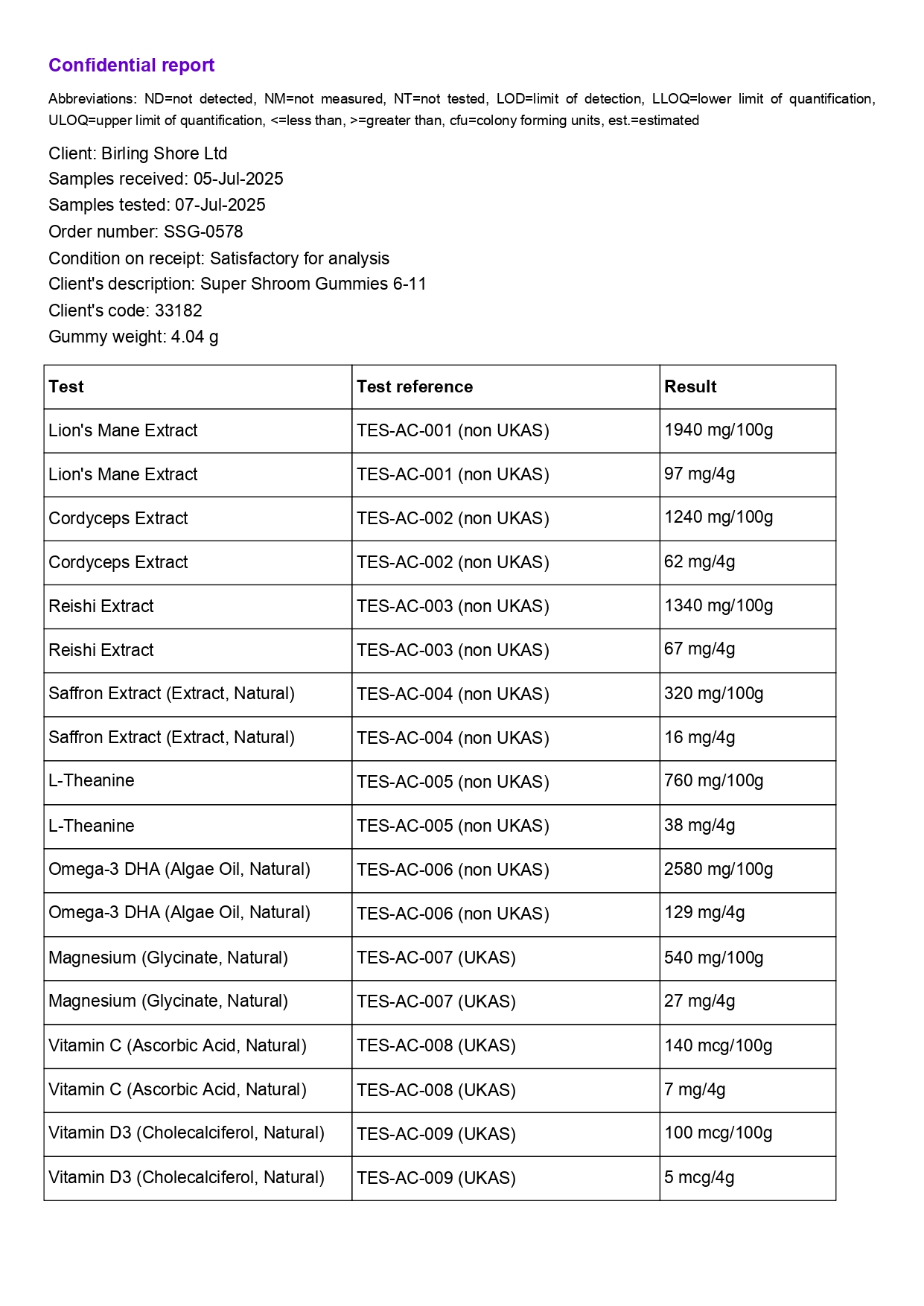
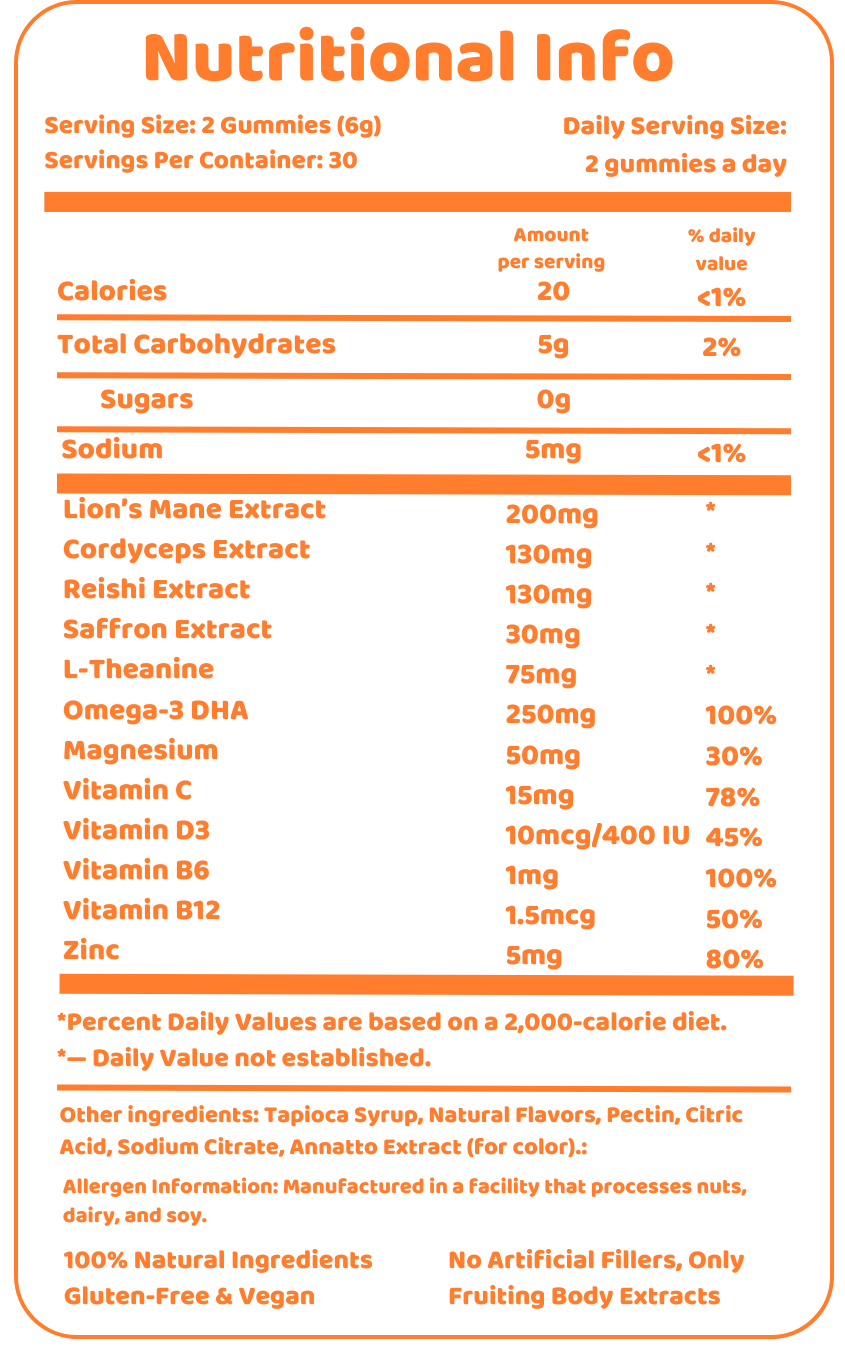
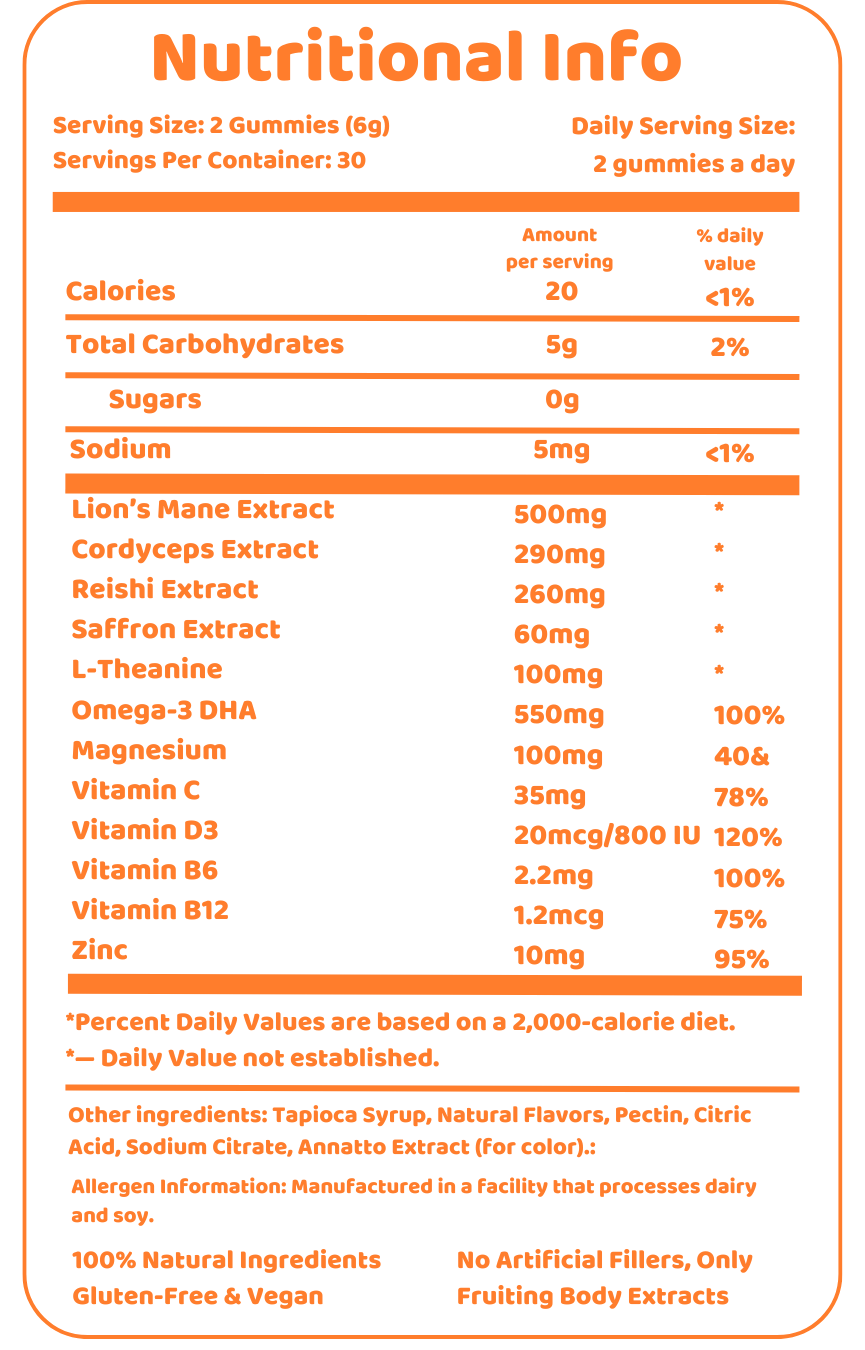
In my experience observing student performance, nutrients rarely work in isolation. To truly support a child’s focus and memory, many parents look at a holistic approach. For example, combining choline-rich foods with Omega-3 DHA can be a powerful duo. While choline builds the neurotransmitters, DHA supports the physical structure of the brain cells. Additionally, ingredients like Lion’s Mane are gaining attention for how they provide natural focus support for children by promoting nerve growth factor, further complementing the work choline does in the brain.
People Also Ask
Can kids take choline supplements?
Ideally, children should get their nutrients from whole foods like eggs and lean meats. However, if a child is a very picky eater or has dietary restrictions, a supplement may be helpful. Always consult with a healthcare provider before starting any new supplement regimen to ensure the correct dosage.
What are the signs of choline deficiency in children?
While rare in healthy children, low levels might manifest as difficulty concentrating, memory lapses, or unusual fatigue. Since these symptoms overlap with many other issues (like lack of sleep), it is important to look at the whole picture of the child’s health.
Does choline help with focus support for energetic minds?
While choline is not a nutritional support for energetic minds, it supports the very systems—attention and executive function—that children with energetic minds may find challenging. It helps promote a stable environment for the brain to function at its best.
Final Thoughts from the Classroom
We want our children to walk into school feeling confident and capable. While we can’t do their homework for them, we can ensure their brains have the raw materials needed to succeed. Choline is a simple, evidence-based way to support your child’s cognitive journey. Start by adding an extra egg to their breakfast or swapping a snack for some edamame—small changes can lead to big breakthroughs at the next parent-teacher conference.
Ready to boost your child’s focus? Check out our other guides on brain-boosting nutrients and classroom success strategies.