We’ve all been there: the kitchen table is buried under flashcards, the pencil sharpener is working overtime, and your child is wearing that specific expression of pre-exam dread. As parents, we want to do everything we can to help them succeed, but we can’t take the test for them. What we can do is fuel their brains so they stay sharp, calm, and focused when the clock starts ticking.
The connection between nutrition and cognitive performance is profound. Just like an athlete wouldn’t prep for a marathon by eating junk food, a student shouldn’t prep for finals on empty calories. Finding the right brain food for kids taking exams can be the secret weapon that helps them recall that tricky math formula or stay composed during a long essay.
The Science of Exam-Week Nutrition
During exam week, the brain is burning through glucose at an accelerated rate. However, reaching for sugary snacks leads to the dreaded “sugar crash,” which can cause brain fog and irritability right in the middle of a test. Instead, we want to focus on “slow-burn” fuels and specific nutrients that support neuroplasticity.
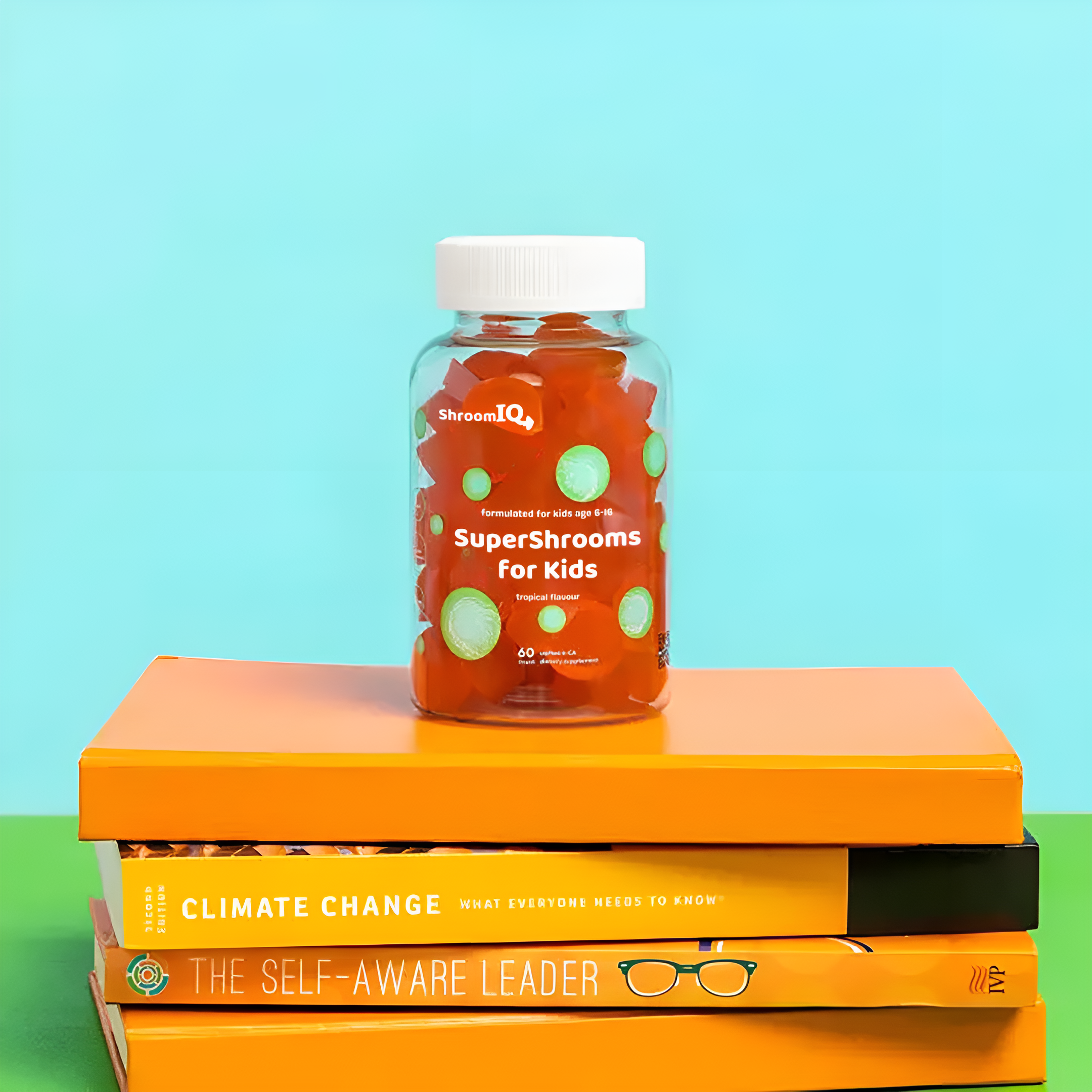
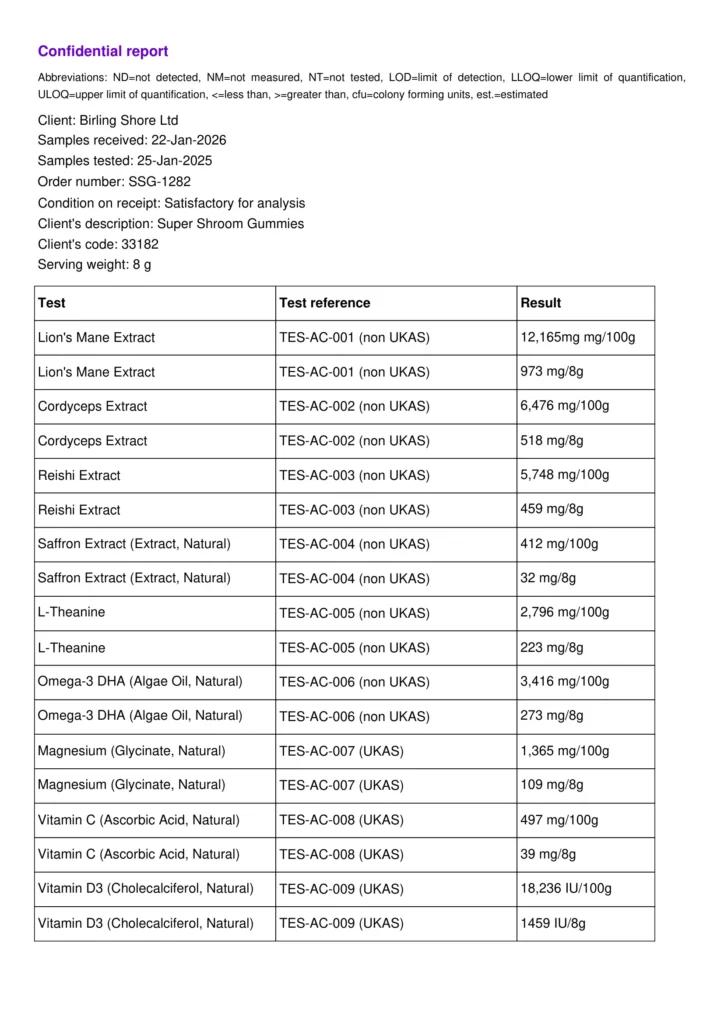
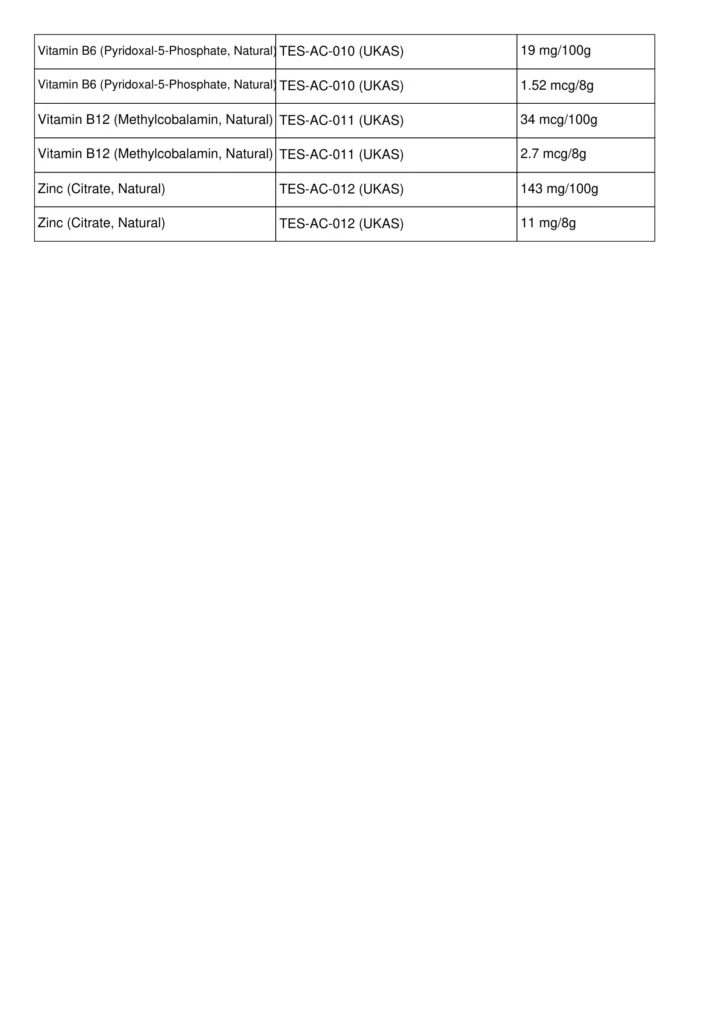
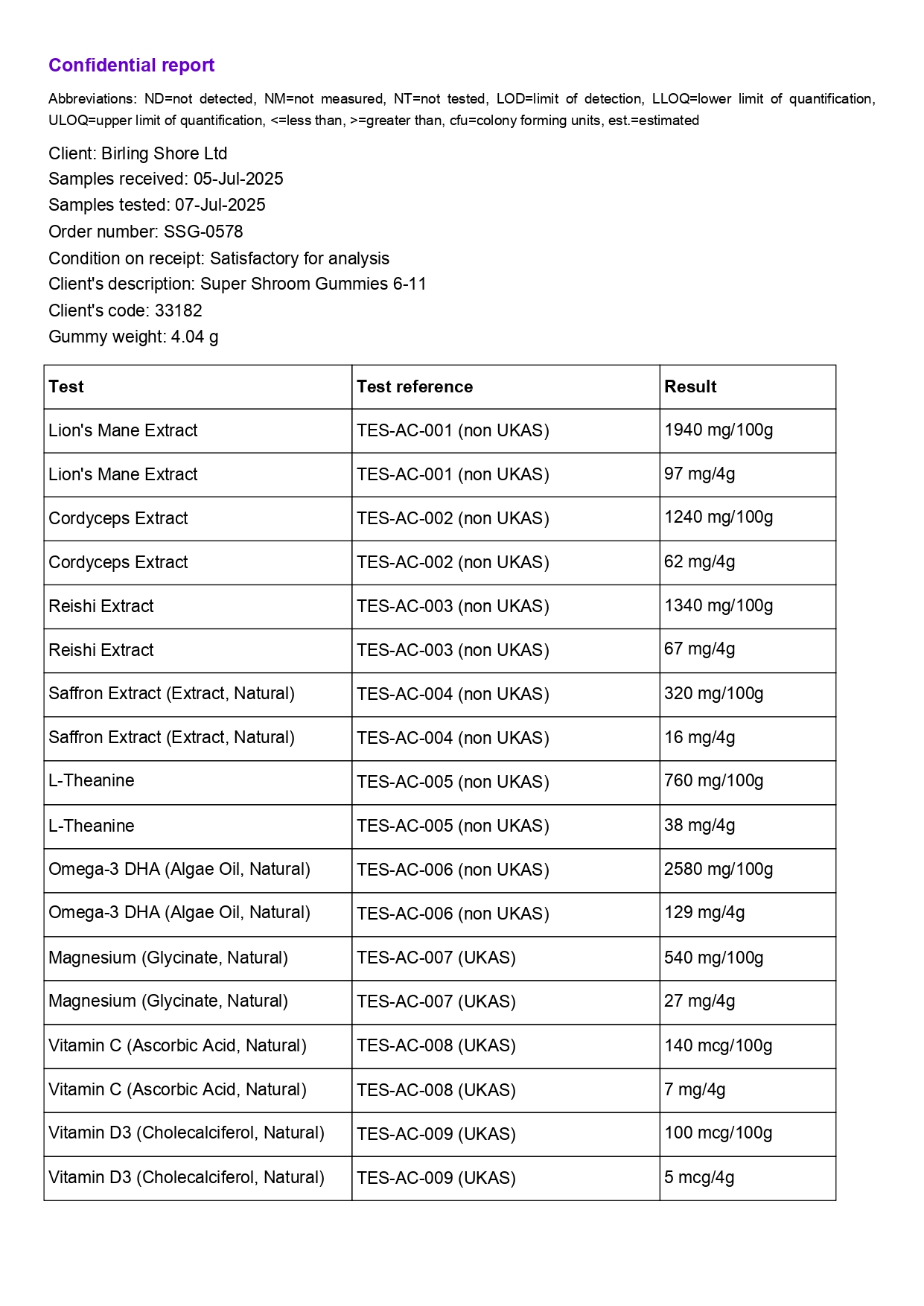
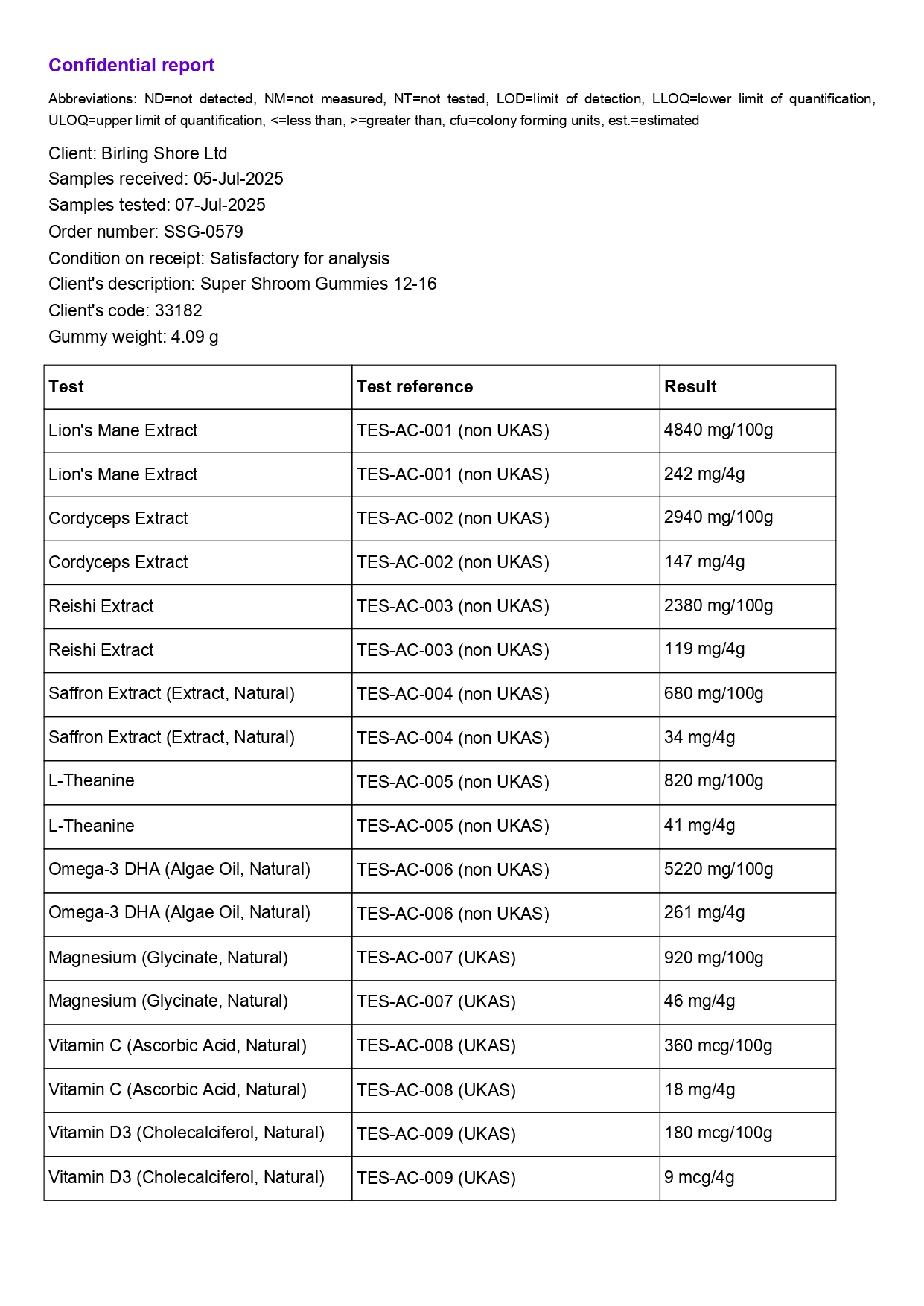
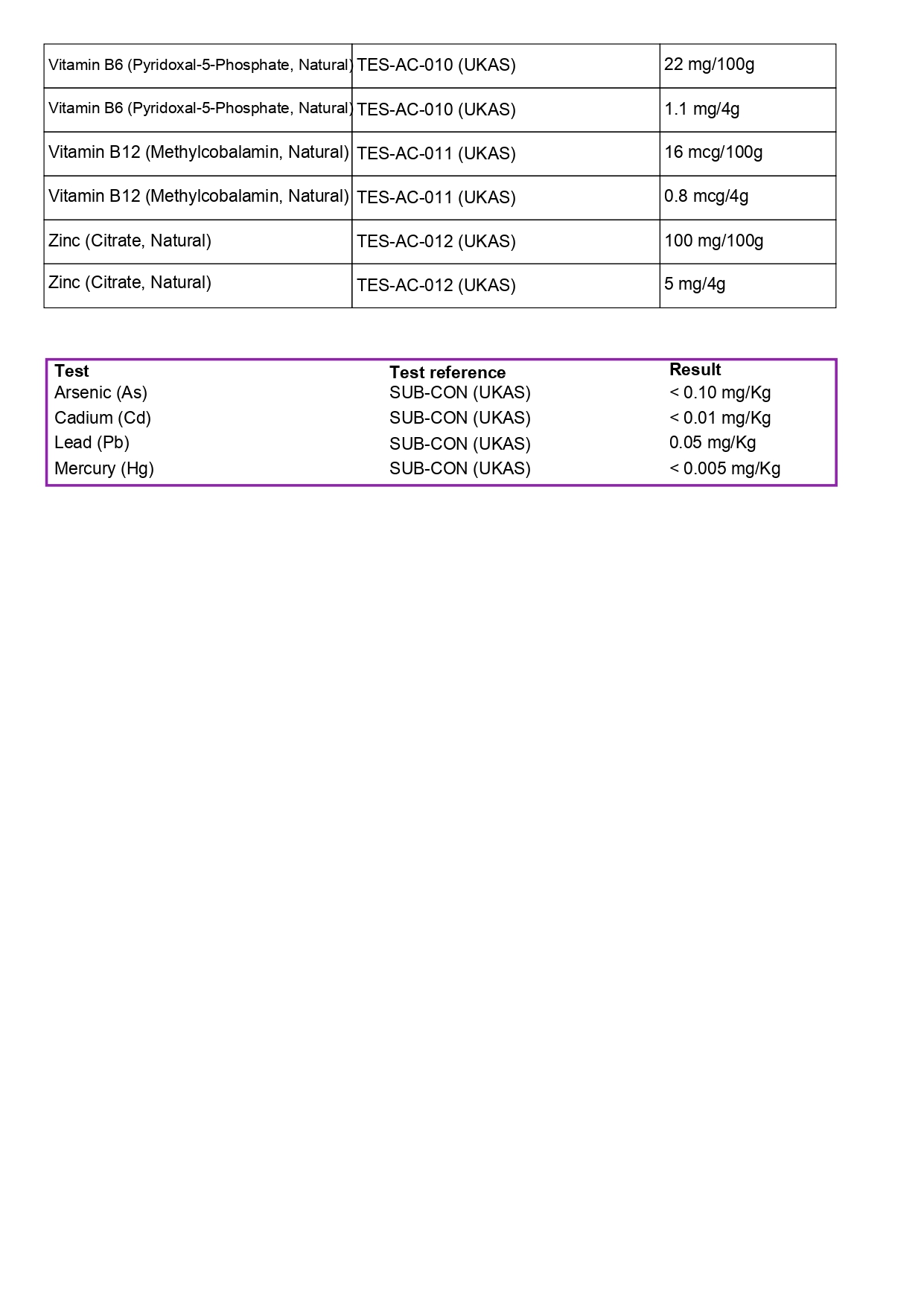
According to Healthline, certain foods contain antioxidants and healthy fats that protect brain cells and improve communication between neurons. Incorporating focus gummies for kids into their morning routine can also provide a concentrated boost of these essential nutrients, like Lion’s Mane and Omega-3 DHA, which are specifically mapped to memory and focus.
Top Brain Foods for Exam Success
1. Omega-3 Fatty Acids (The Brain’s Building Blocks)
About 60% of the brain is made of fat, and half of that is Omega-3. These fats are essential for learning and memory. Fatty fish like salmon are the gold standard, but if you have a picky eater, walnuts and chia seeds are excellent alternatives.
2. Lion’s Mane Mushroom (The Smart Mushroom)
Lion’s Mane is a functional mushroom that has been used for centuries to support cognitive health. It promotes the production of Nerve Growth Factor (NGF), which helps support and create new neural pathways. It’s a gentle, natural way to help your child stay “in the zone” during long study sessions.
3. Berries (The Memory Protectors)
Blueberries and strawberries contain anthocyanins, which have anti-inflammatory and antioxidant effects. Some studies suggest these compounds can improve communication between brain cells and increase plasticity, which helps with information retention.
4. Complex Carbohydrates (Steady Energy)
Oatmeal, quinoa, and whole-grain bread provide a steady stream of glucose to the brain. This helps maintain energy levels that lead to frustration and loss of concentration. Proper sleep is also vital here; the Sleep Foundation notes that sleep deprivation can mimic the symptoms of learning challenges, making nutrition even more critical to counter fatigue.
Promoting a Sense of Calm with Nutrition
It’s not just about memory; it’s about mood. High cortisol levels from stress can actually block memory retrieval. To help your child stay calm, look for foods rich in Magnesium, like spinach, pumpkin seeds, and dark chocolate. Magnesium helps regulate the body’s stress response, ensuring they don’t freeze up when they see a difficult question.
For parents looking for focus support for energetic minds or help for a child who struggles to sit still during long exams, combining these whole foods with targeted nutritional support can make a world of difference. When the nervous system is supported, the mind can perform at its peak.
People Also Ask
What should a child eat the morning of an exam?
A balanced breakfast of protein and complex carbs is best. Think eggs on whole-grain toast or Greek yogurt with berries and nuts. Avoid sugary cereals that cause a mid-morning crash.
Do brain supplements actually help with testing?
While a healthy diet is the foundation, supplements containing Lion’s Mane and DHA can fill nutritional gaps and provide a bioavailable boost to cognitive functions like focus and recall.
How can I keep my child hydrated during exams?
Dehydration can lead to headaches and decreased concentration. Ensure they have a water bottle and encourage them to sip throughout the day. According to the CDC, staying hydrated is essential for maintaining cognitive function and overall health.
Read Next
- Calm Magnesium Gummies: Helping Kids Stay Focused and Relaxed
- Healthy Brain Snacks for School Lunchboxes: A Teacher’s Guide
- Clear the Cloud: Best Vitamins for Teenage Brain Fog
Conclusion
Preparing for exams is a marathon, not a sprint. By filling your child’s plate with nutrient-dense brain foods like berries, fatty fish, and Lion’s Mane, you are giving them the tools they need to succeed. Remember, a well-fed brain is a confident brain. Keep the water bottle full, the snacks healthy, and the encouragement flowing—you’ve both got this!