Quick Answer: The best natural energy supplements for active kids include Cordyceps mushrooms for stamina, Vitamin B6 for metabolic support, and magnesium to help muscles recover after a long day of play.
We’ve all been there: the 3:00 PM slump right before soccer practice, or the morning when your little one just can’t seem to find their spark for the school day. As parents, we want to fuel our children’s active lifestyles, but the market is flooded with sugary sports drinks and caffeine-laden snacks that lead to the inevitable “crash and burn.” When we look for natural energy supplements for active kids, we aren’t looking for a stimulant; we’re looking for sustainable fuel that supports their growing bodies and busy brains.
Understanding Real Energy vs. Stimulants
It is important to distinguish between “nervous energy” caused by sugar or caffeine and “cellular energy” produced by the body. For our kids, we want to support the latter. True energy comes from how efficiently a child’s body converts food into fuel. According to Harvard Health, a balanced diet is the foundation of energy, but certain micronutrients play a pivotal role in the metabolic processes that keep kids moving.
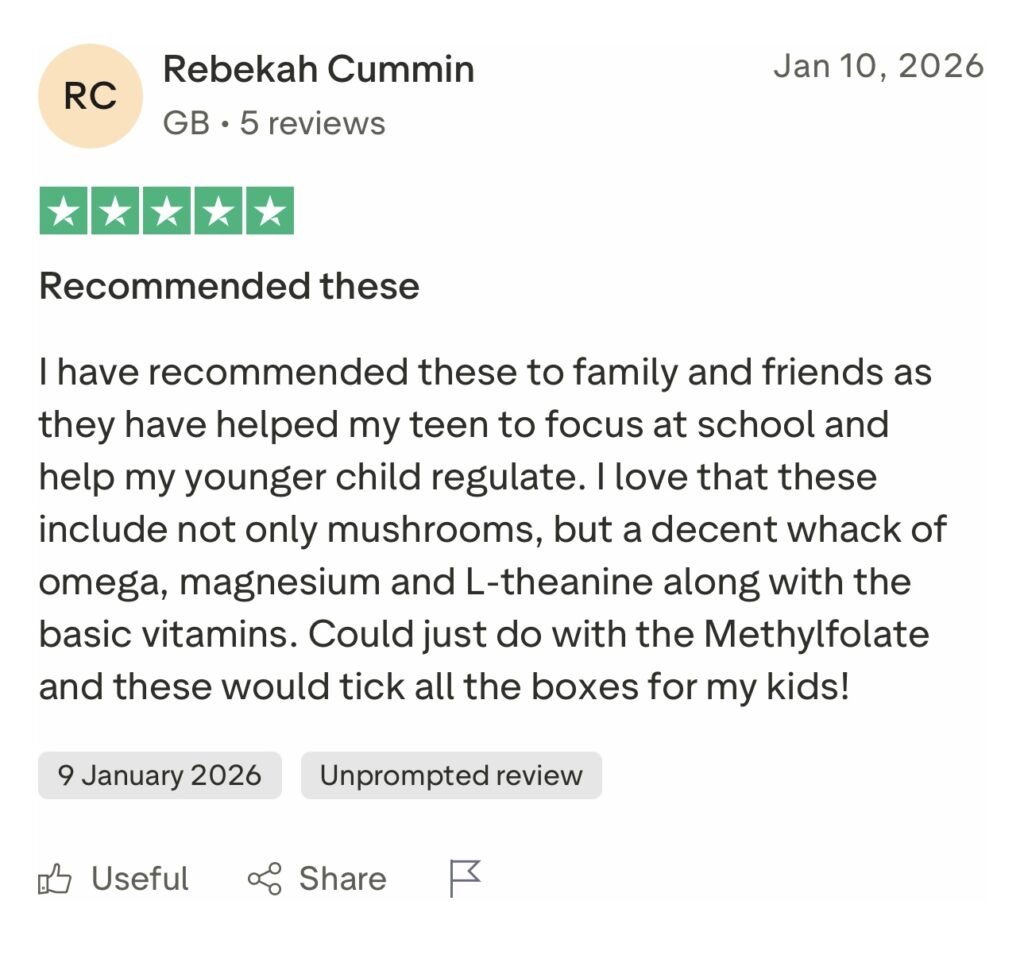
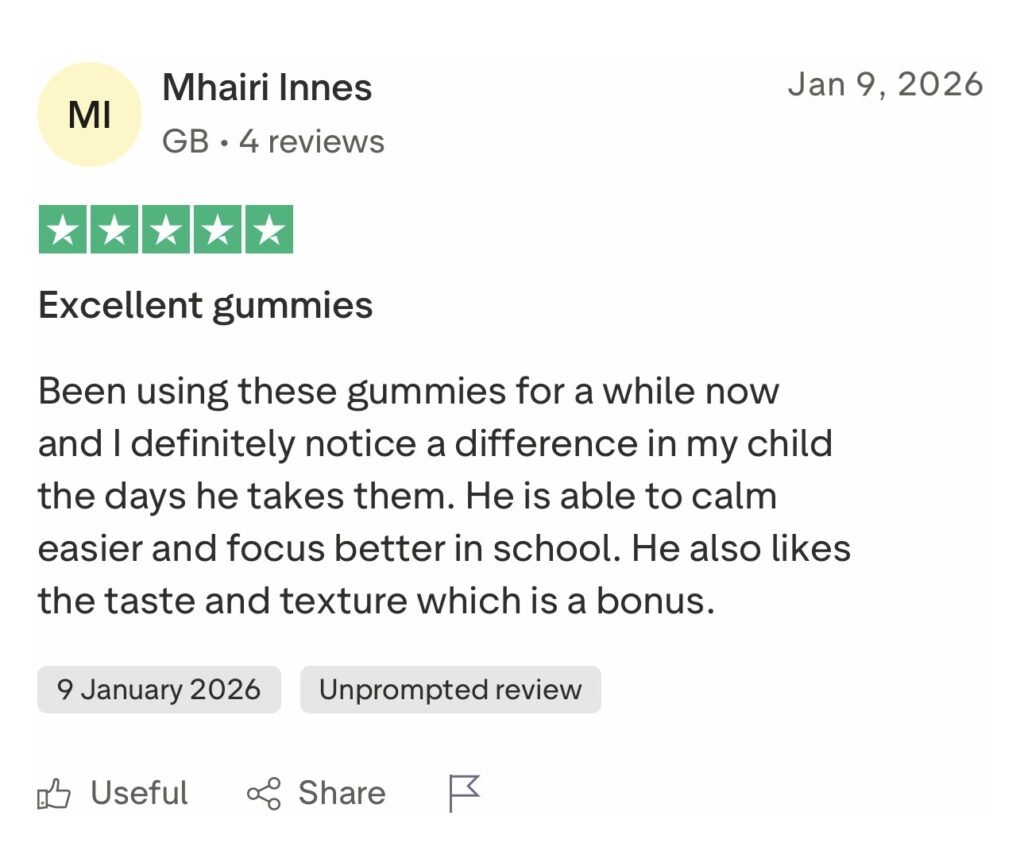
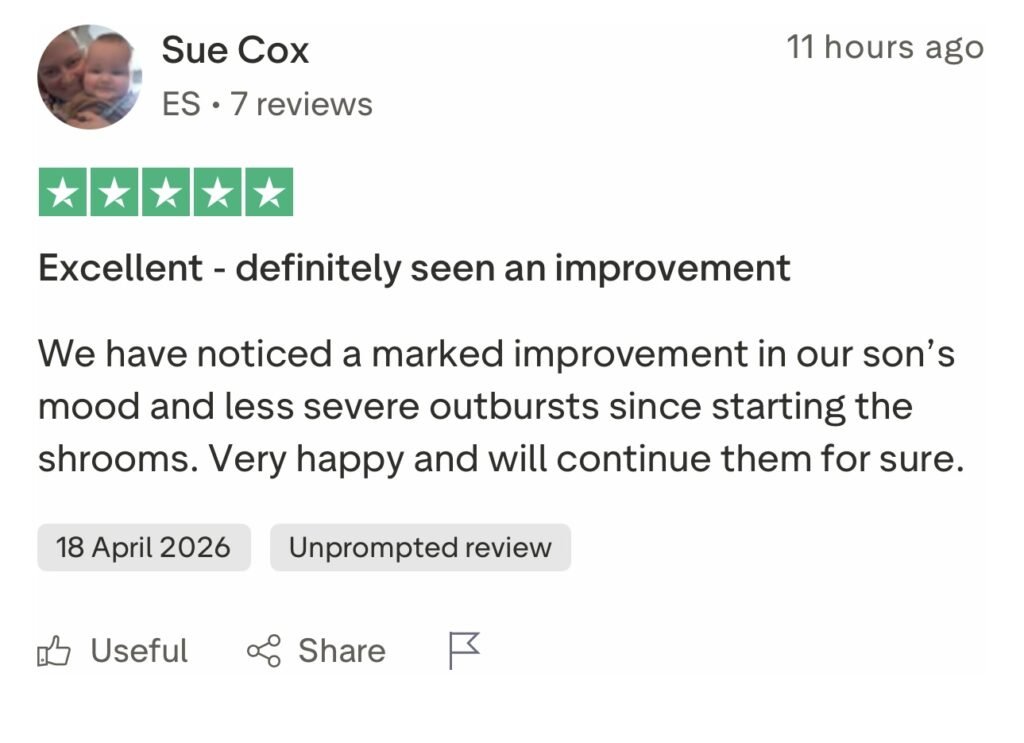
When dietary gaps occur, many parents turn to focus gummies for kids that incorporate functional ingredients. These supplements don’t provide a “high”; instead, they provide the building blocks for steady, reliable stamina throughout the school day and extracurricular activities.
Key Ingredients for Natural Stamina
Cordyceps: The Natural Battery Pack
Often used by adult athletes, Cordyceps is a functional mushroom that is gaining popularity in pediatric wellness. It works by supporting the body’s production of ATP (adenosine triphosphate), which is essentially the currency of energy for our cells. For an active child, this means better oxygen utilization and physical endurance without the jitters.
Vitamin B6 and Metabolic Support
Vitamin B6 is a powerhouse when it comes to energy metabolism. It helps the body break down proteins and carbohydrates, ensuring that the lunch they ate actually turns into the fuel they need for the playground. Research from the CDC emphasizes that B vitamins are essential for brain development and function, making them a double-win for active students.
The Role of Nutrition in Sustained Energy
While supplements are a fantastic tool, they work best when paired with what we call brain food for kids. This includes complex carbohydrates like oatmeal, healthy fats like avocado, and lean proteins. When you combine these whole foods with targeted nutrients like Cordyceps and B6, you create a steady release of energy that lasts from the first bell until bedtime stories.
People Also Ask
Are energy supplements safe for children?
Natural supplements focusing on vitamins and functional mushrooms are generally safe, provided they do not contain caffeine, taurine, or excessive sugar. Always consult with a pediatrician before starting a new regimen.
How can I boost my child’s energy naturally?
Prioritize hydration, ensure they get 9-11 hours of sleep, and offer snacks with a balance of protein and fiber. Adding a natural supplement containing Vitamin B6 can help optimize their existing energy levels.
What vitamins are best for active kids?
Beyond the basics, Vitamin D3, B6, and Magnesium are critical. According to the Cleveland Clinic, magnesium is vital for over 300 biochemical reactions in the body, including muscle and nerve function, which is essential for kids in sports.
Read Next
- Calm Magnesium Gummies: Helping Kids Stay Focused and Relaxed
- Natural Immunity Boosters for School Kids: A Parent’s Guide
- Magnesium and Children: What’s Its Role in Daily Health?
Conclusion
Supporting an active child doesn’t have to be a battle of sugar and snacks. By focusing on cellular-level support through ingredients like Cordyceps and Vitamin B6, we can help our kids feel vibrant and capable all day long. If you’re looking for a clean, effective way to bridge the nutritional gap, explore our natural solutions designed specifically for the unique needs of growing, active bodies.