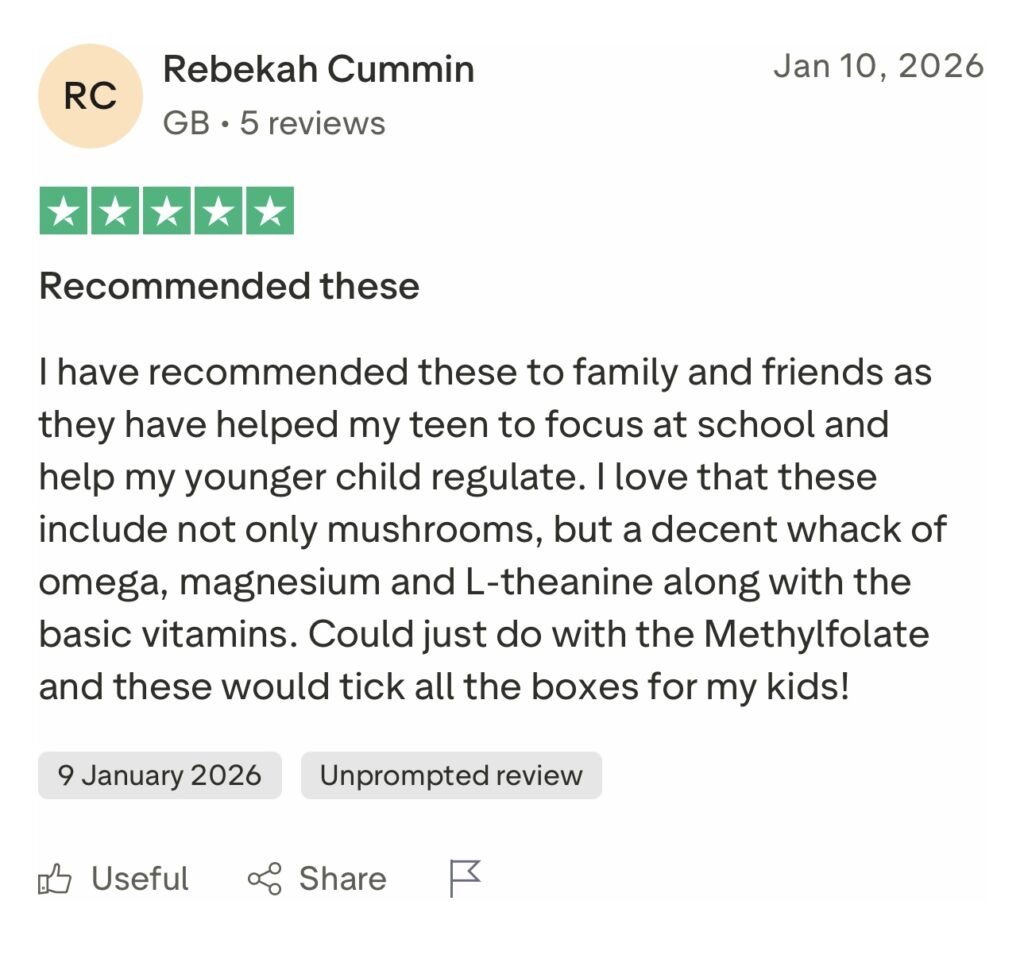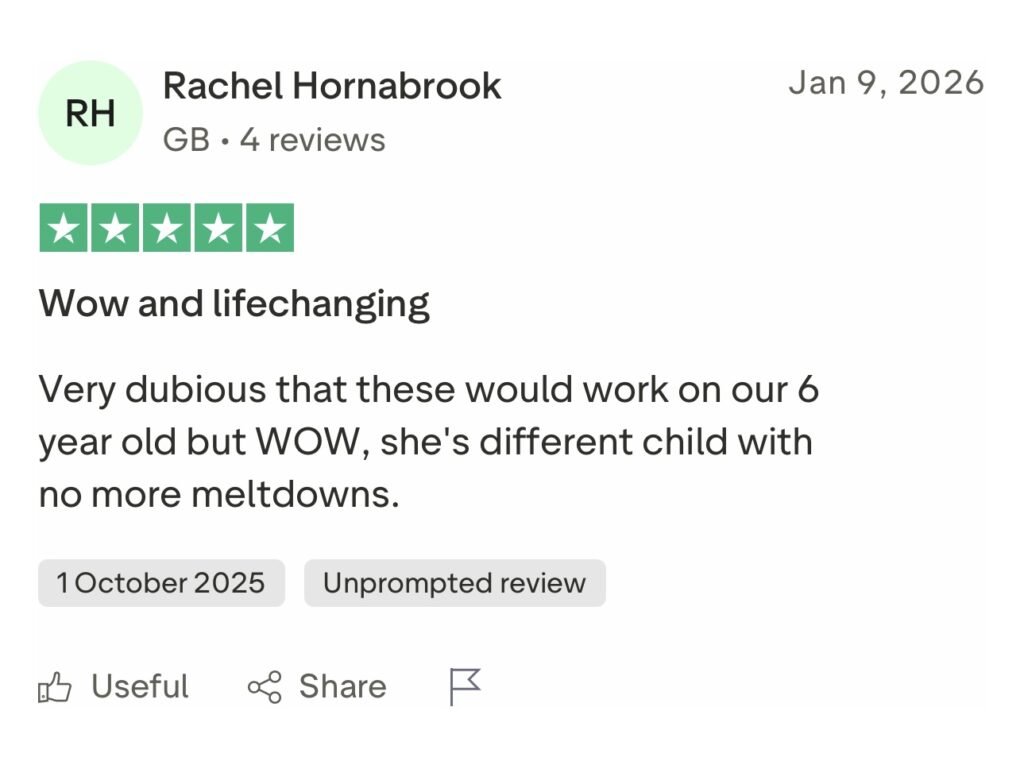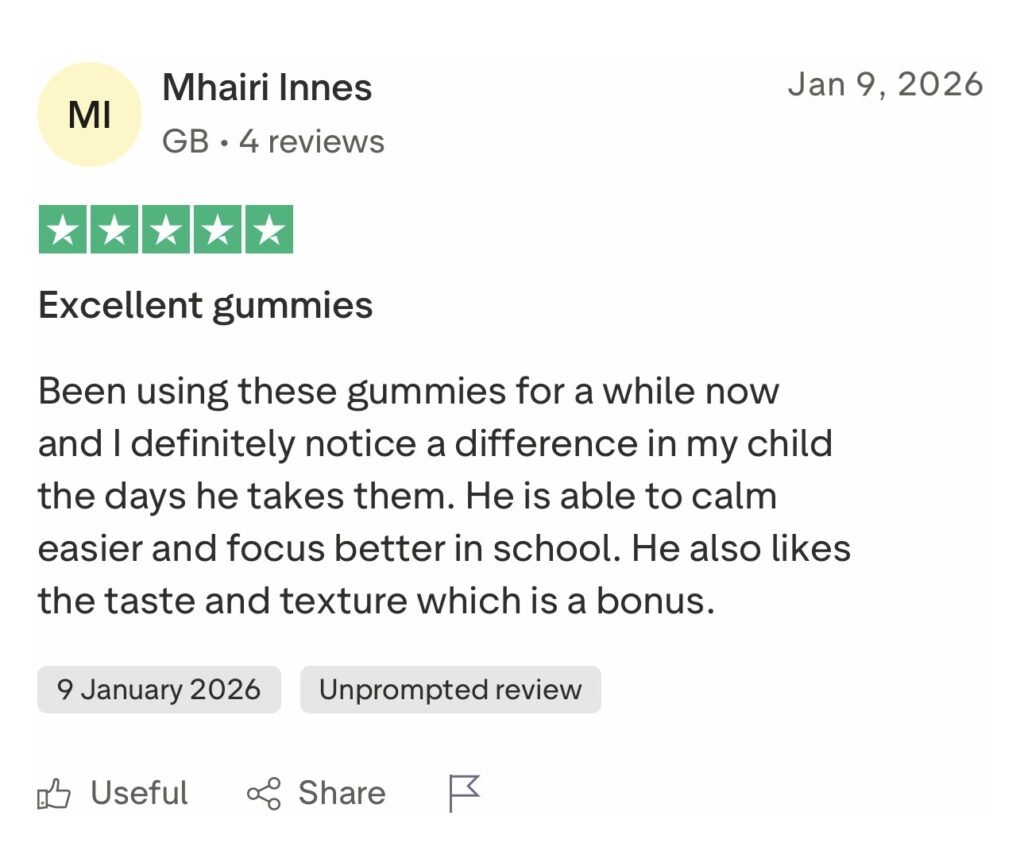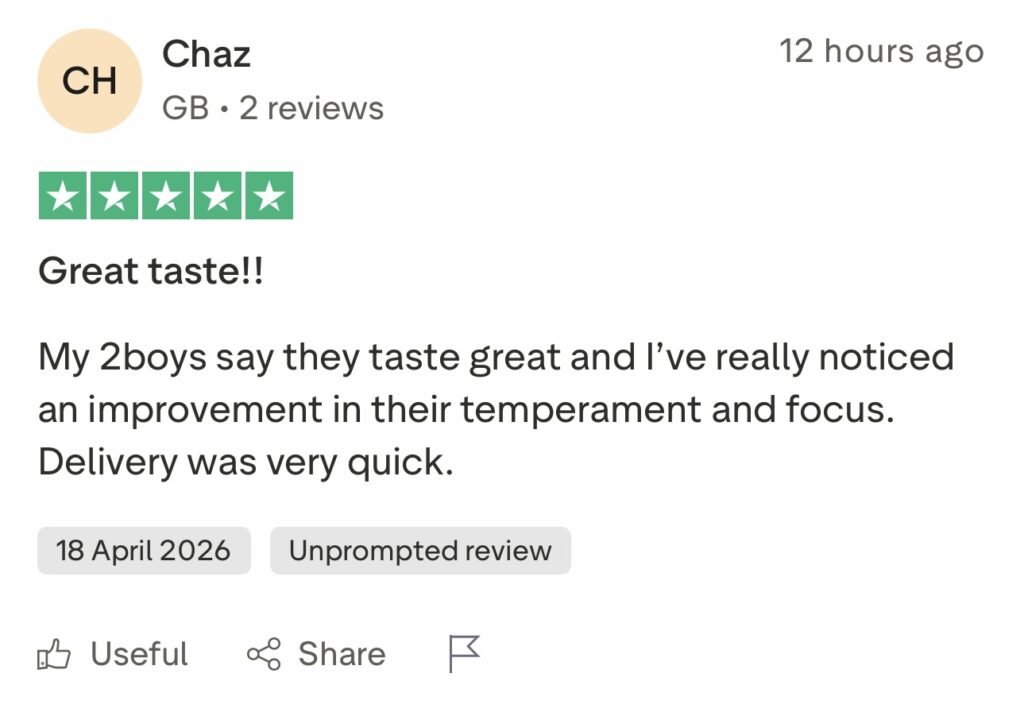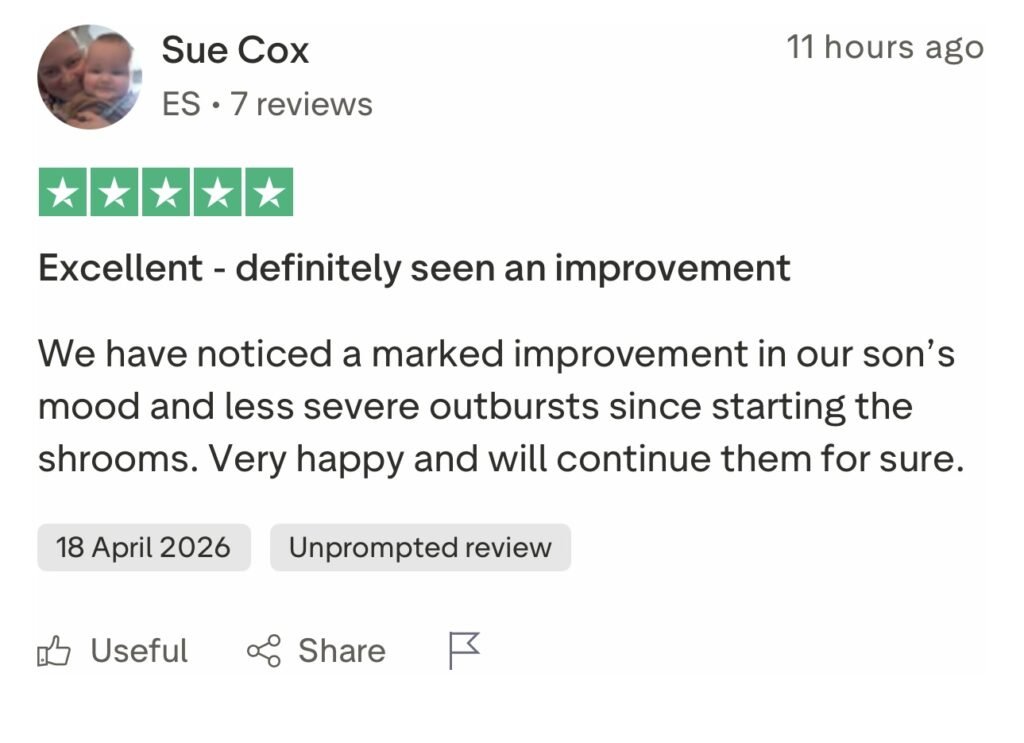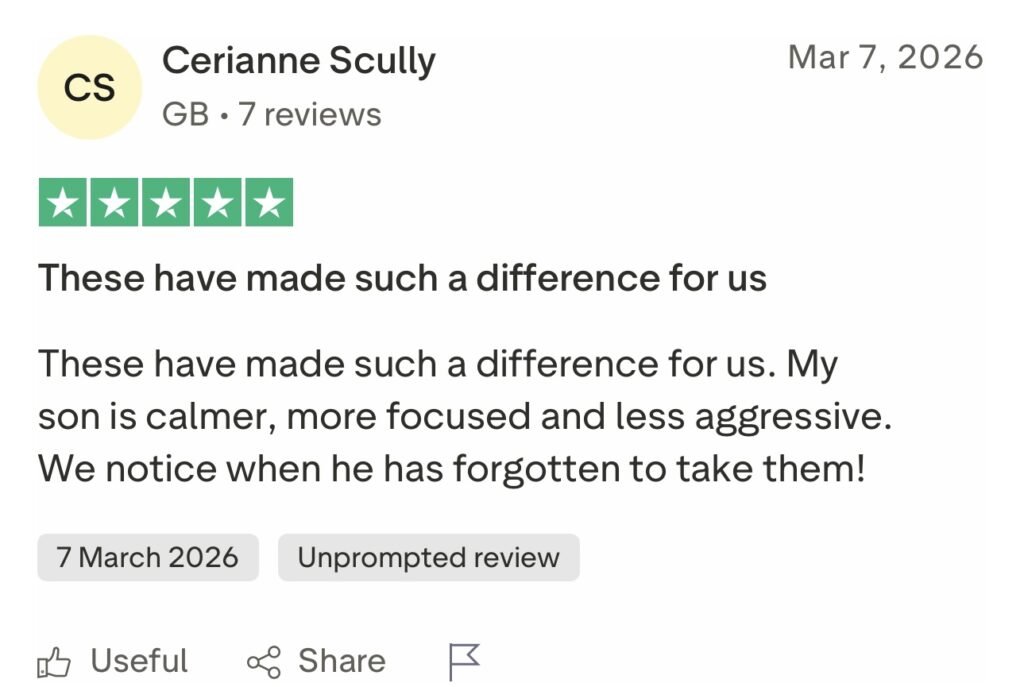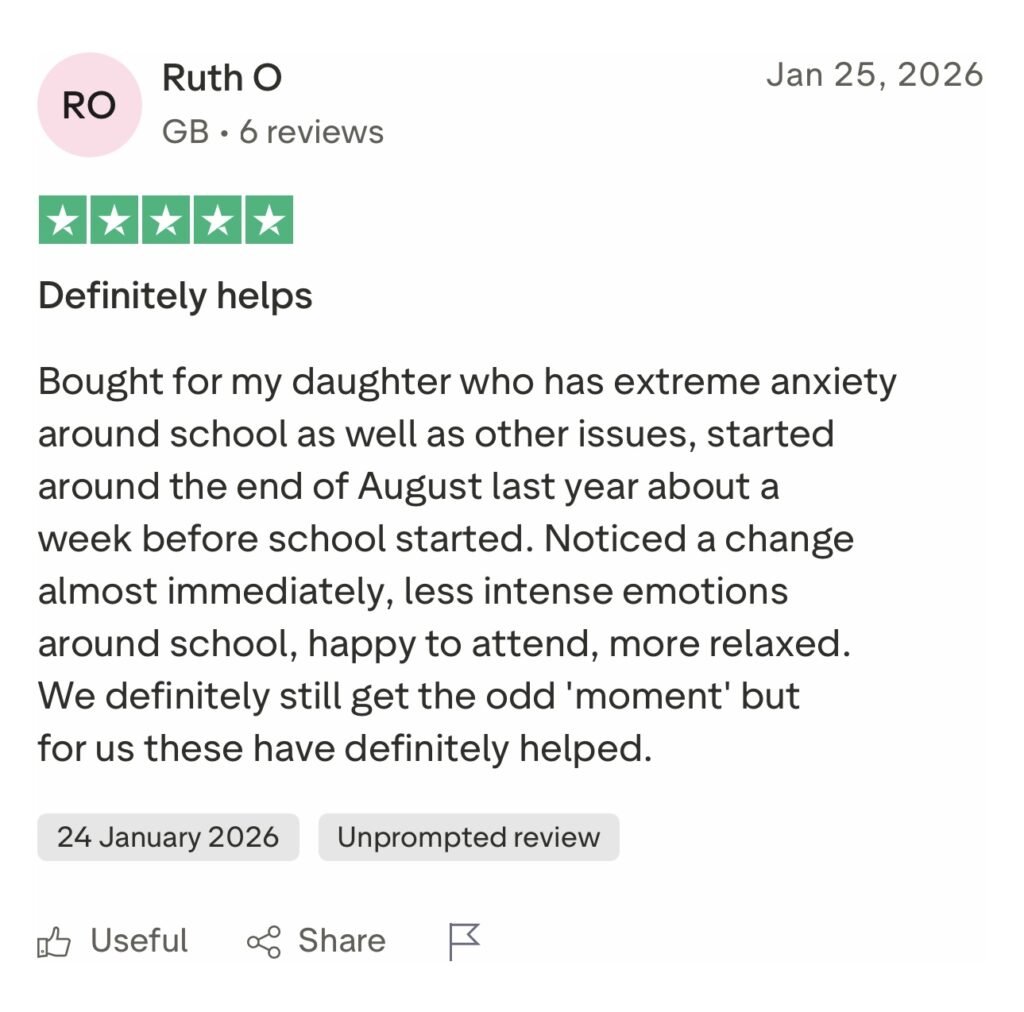
Quick Answer: Lion’s Mane mushroom supports children’s brain health by promoting Nerve Growth Factor (NGF), which aids focus, memory, and cognitive development. It is a safe, natural way to support neuroplasticity in growing minds.
We’ve all been there: the frantic morning search for a lost sneaker, the evening spent over a math worksheet that seems to be written in a foreign language, and the ‘brain fog’ that hits our kids after a long day at school. As parents, we want to give our children every advantage, especially when it comes to their cognitive development and emotional well-being. This has led many of us to look beyond the standard multivitamin toward functional fungi, specifically lion’s mane for children’s brain health.
What is Lion’s Mane Mushroom?
Lion’s Mane (Hericium erinaceus) isn’t your average grocery store button mushroom. It’s a striking, white, shaggy fungus that looks more like a cheerleader’s pom-pom or a lion’s mane than a vegetable. While it has been used for centuries in traditional practices, modern science is finally catching up to what ancient practitioners already knew: this mushroom is a powerhouse for the nervous system.
For parents, the most exciting part of the research involves two specific compounds: hericenones and erinacines. These compounds are unique because they can cross the blood-brain barrier. Many parents are turning to focus gummies for kids that feature these ingredients to help bridge the gap between classroom distractions and academic success.
The Science of Growing Minds
The childhood years are a period of rapid neurological expansion. According to Harvard Health, the brain’s plasticity—its ability to form new connections—is at its peak during youth. Lion’s Mane supports this process by stimulating the production of Nerve Growth Factor (NGF).
NGF is a protein that acts like ‘miracle-grow’ for neurons. It helps maintain, grow, and support the nerve cells that carry information throughout the brain. By supporting NGF, Lion’s Mane potentially helps children with:
- Memory Retention: Helping them remember what they learned in history class.
- Focus and Attention: Assisting them in staying on task during homework.
- Mental Clarity: Reducing that ‘fuzzy’ feeling that leads to irritability.
Safety and Considerations for Kids
Is it safe? That’s the first question every responsible parent asks. Generally, Lion’s Mane is considered a safe, culinary mushroom. However, it is always important to consult with a pediatrician before starting any new supplement. According to research cited by WebMD, most people tolerate Lion’s Mane well, but those with mushroom allergies should avoid it.
When looking for a supplement, quality is everything. You want to ensure the product is free from heavy metals and fillers. Many families find that using a high-quality blend provides focus support for energetic minds by combining Lion’s Mane with other brain-boosting nutrients like Omega-3 DHA.
How to Incorporate Lion’s Mane into a Picky Eater’s Diet
We know that even the most nutritious supplement is useless if your child refuses to take it. While you can cook fresh Lion’s Mane (it has a texture similar to crab meat), most kids aren’t going to sit down to a plate of sautéed fungi. This is why gummies and powders have become so popular. They mask the earthy taste while delivering the same cognitive benefits.
Read Next
- Calm Magnesium Gummies: Helping Kids Stay Focused and Relaxed
- Natural Immunity Boosters for School Kids: A Parent’s Guide
- Choline for Kids: The Essential Nutrient for Focus and Memory
Conclusion
Supporting our children’s brain health is a marathon, not a sprint. While no single ingredient is a magic wand, lion’s mane for children’s brain health offers a promising, nature-backed way to support their growing minds. By fostering nerve growth and supporting focus, we can help our kids feel more confident and capable in their daily lives. Always remember to pair supplements with a balanced diet, plenty of sleep, and a whole lot of encouragement.