It’s 8:30 PM. You’ve read the stories, tucked them in, and turned off the lights. But ten minutes later, you hear the familiar pitter-patter of feet in the hallway. Whether it’s another glass of water, a sudden fear of the dark, or just a case of the “wiggles,” managing a bedtime routine for restless children can feel like an Olympic sport. If your child struggles to settle down, you aren’t alone—restlessness is one of the most common challenges parents of kids and teens face today. Providing natural energy for kids during the day can actually help regulate their circadian rhythm for a better night’s rest. Furthermore, establishing a peaceful evening often starts with how the day begins; you can learn more about creating calm mornings to set a positive tone for the entire day.
The Science of the Restless Mind
Restlessness in children ages 6 to 16 often stems from an overstimulated nervous system. Between school demands, blue light from devices, and the natural physiological changes of puberty, their brains are often still running at 100 mph when the lights go out. To help them transition, we need to bridge the gap between daytime high energy and nighttime recovery. Understanding magnesium and children and how it supports the nervous system can be a vital first step in managing this evening overstimulation.
1. The Power of a Consistent Routine
The human brain thrives on predictability. For a restless child, a routine acts as a signal to the nervous system that it is safe to downshift. A successful bedtime routine for restless children should start at least 60 minutes before lights out.
-
The Digital Sunset: Blue light suppresses melatonin production. Research from Harvard Health suggests turning off screens an hour before bed helps the brain prepare for sleep naturally.
-
Sensory Calming: Incorporate activities like a warm bath or dimming the lights. This physical environment shift cues the body to begin its wind-down process.
2. Nutritional Support for Calm and Mood
Sometimes, a routine isn’t enough because the body lacks the specific nutrients needed to promote relaxation. This is where targeted ingredients like Magnesium and Saffron come into play.
Magnesium: The Relaxation Mineral
How do I calm my restless child before bed? One key may be Magnesium. This essential mineral supports the relaxation of muscles and the nervous system. According to our magnesium for kids sleep and focus guide, adequate magnesium levels are linked to better sleep quality and a more stable mood in children.
Saffron and L-Theanine
Saffron is often called the “sunshine spice” because it helps support a positive mood and emotional balance. When combined with L-Theanine—an amino acid found in green tea—it promotes a state of “alert relaxation” without causing drowsiness. This combination helps quiet the mental chatter that often keeps restless children awake.
3. The Role of Adaptogens: Reishi Mushroom
In the world of natural wellness, Reishi is known as the “Queen of Mushrooms.” It has been used for centuries to support the body’s ability to handle stress. For children who feel “wired but tired,” Reishi supports a sense of calm, making the transition to sleep smoother. Including adaptogens in their daily regimen can help balance their stress response over time. Some parents also explore the benefits of cordyceps for children to support daytime vitality, which can lead to more regulated energy levels by evening.
4. Creating a Sleep-Inducing Environment
If you are wondering how to help my child stay in bed at night, look at their surroundings. A restless child is easily distracted by noise or light. Consider using white noise machines or blackout curtains. Additionally, ensuring they have adequate Vitamin D3 and Vitamin B6 during the day supports the natural synthesis of serotonin, which later converts to melatonin. To better support their cognitive health, it is helpful to understand vitamin B6 & B12 for children and how these nutrients impact energy and brain function.
5. Simplifying Your Supplement Routine
Many parents find themselves juggling five different bottles—a multivitamin, a fish oil for brain health, a magnesium chewable, and more. This can be overwhelming for both the parent and the child. Experts at Mayo Clinic suggest that while a balanced diet is best, supplements can help fill nutritional gaps when necessary. Using focus gummies for kids can streamline this process by combining essential nutrients into one serving.
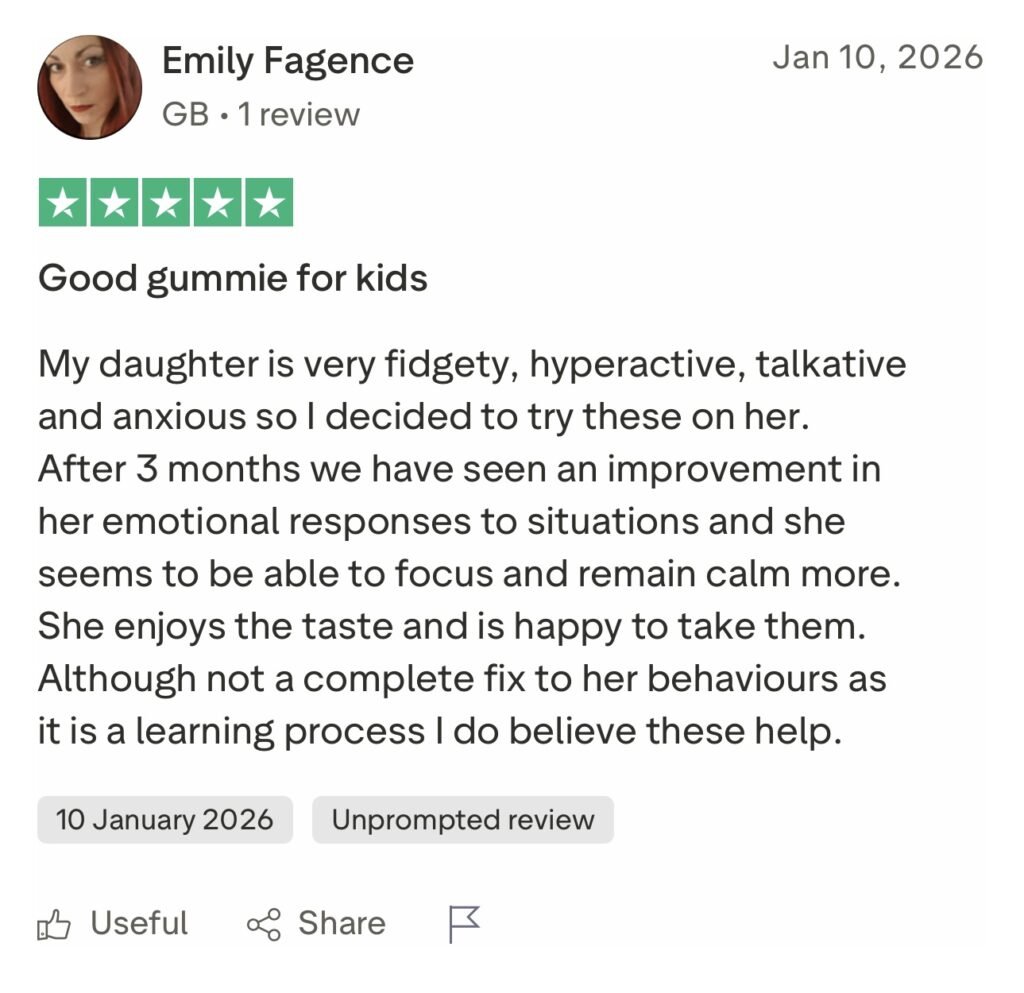
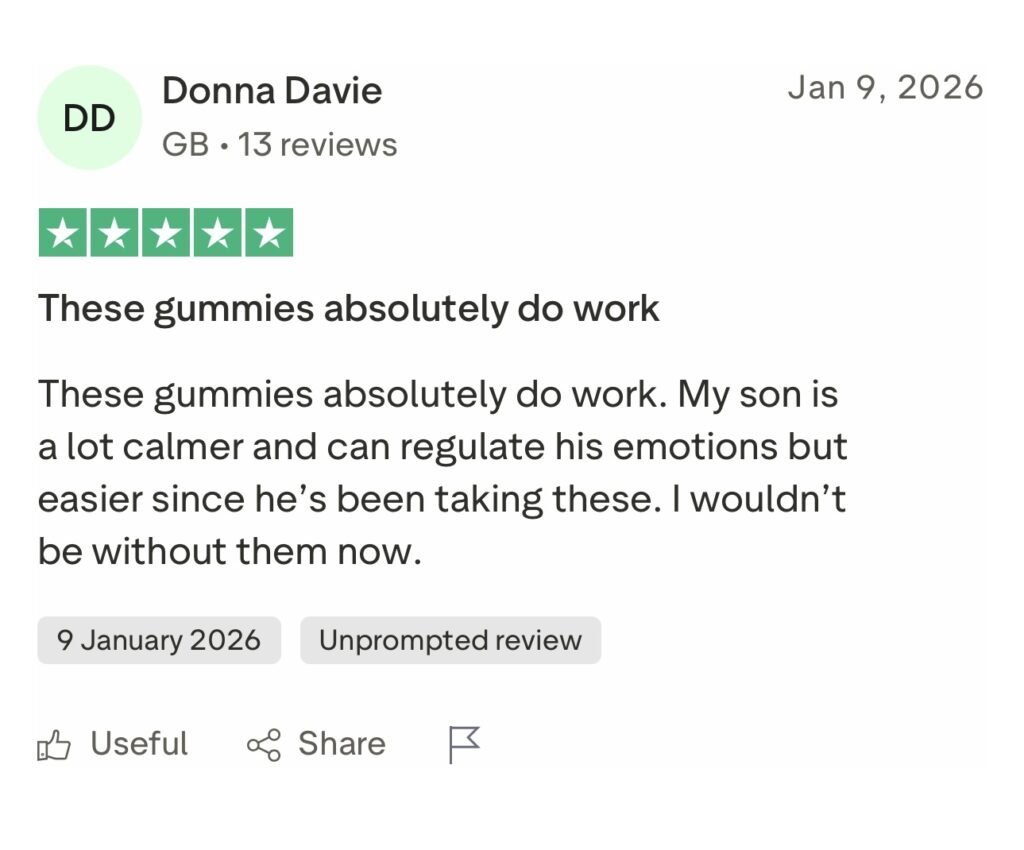
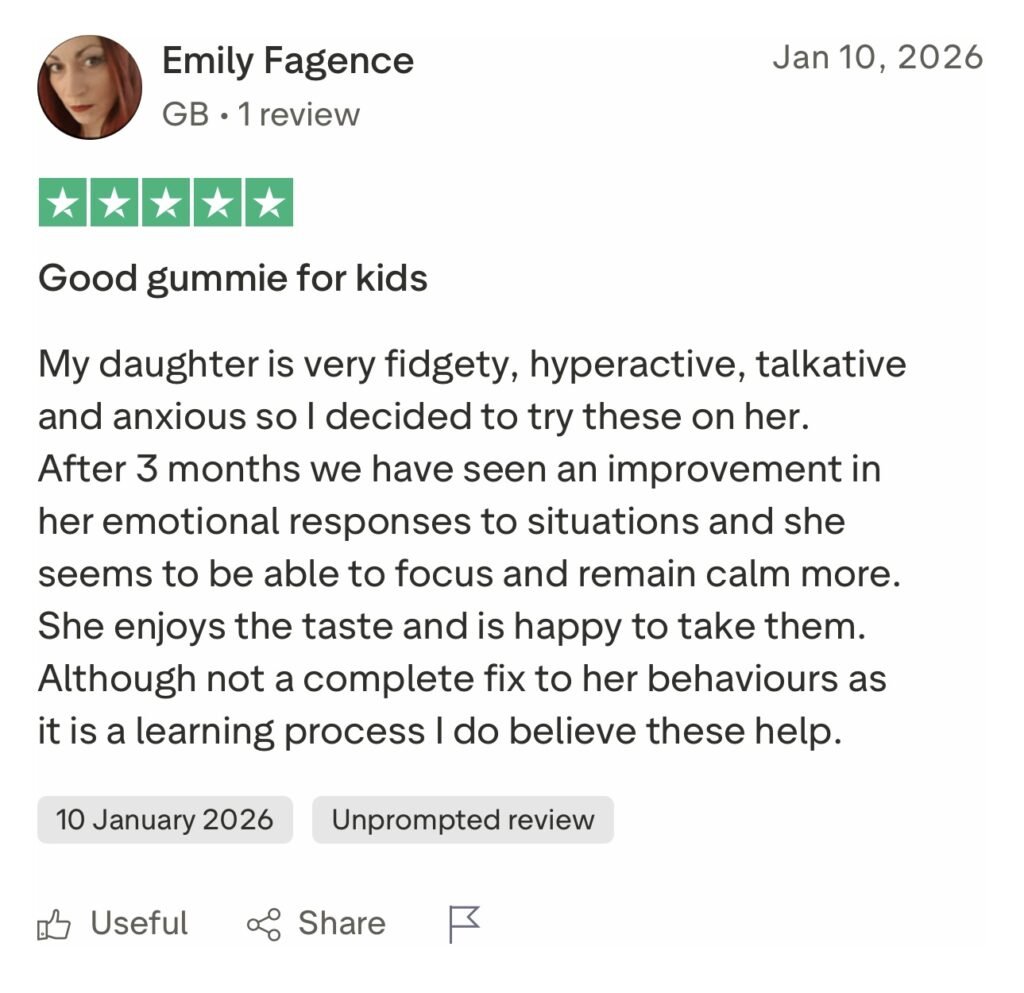
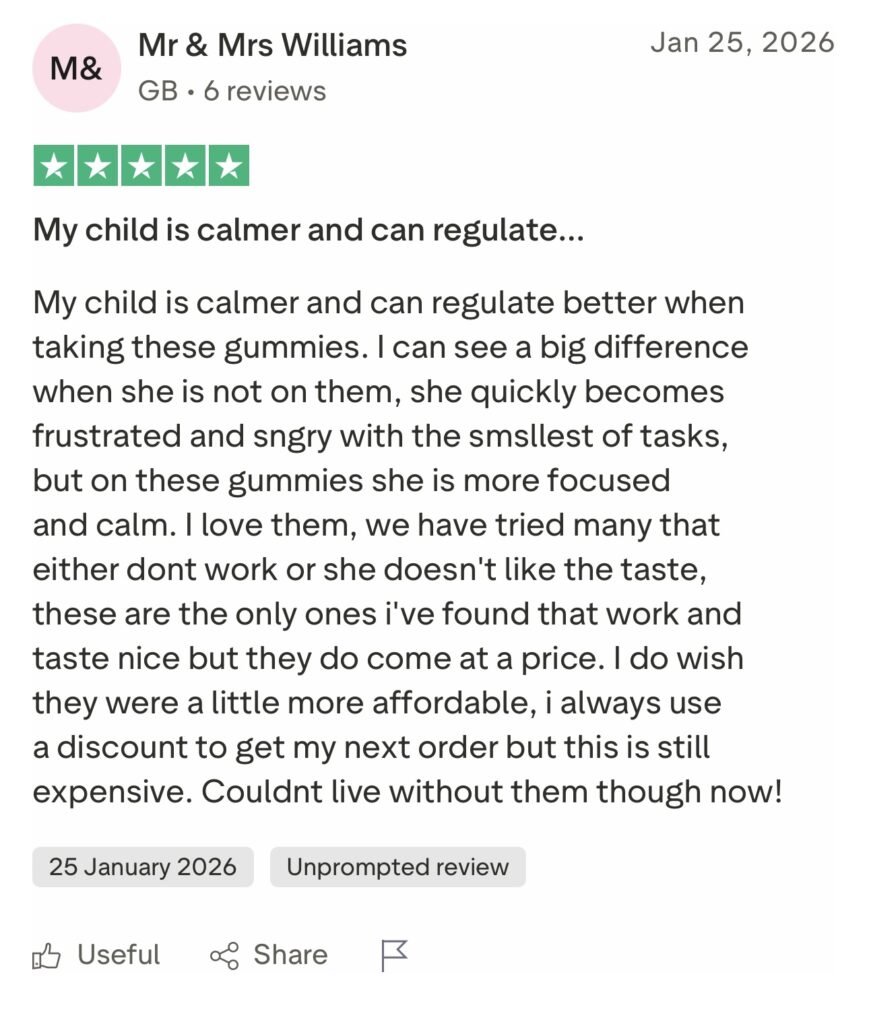
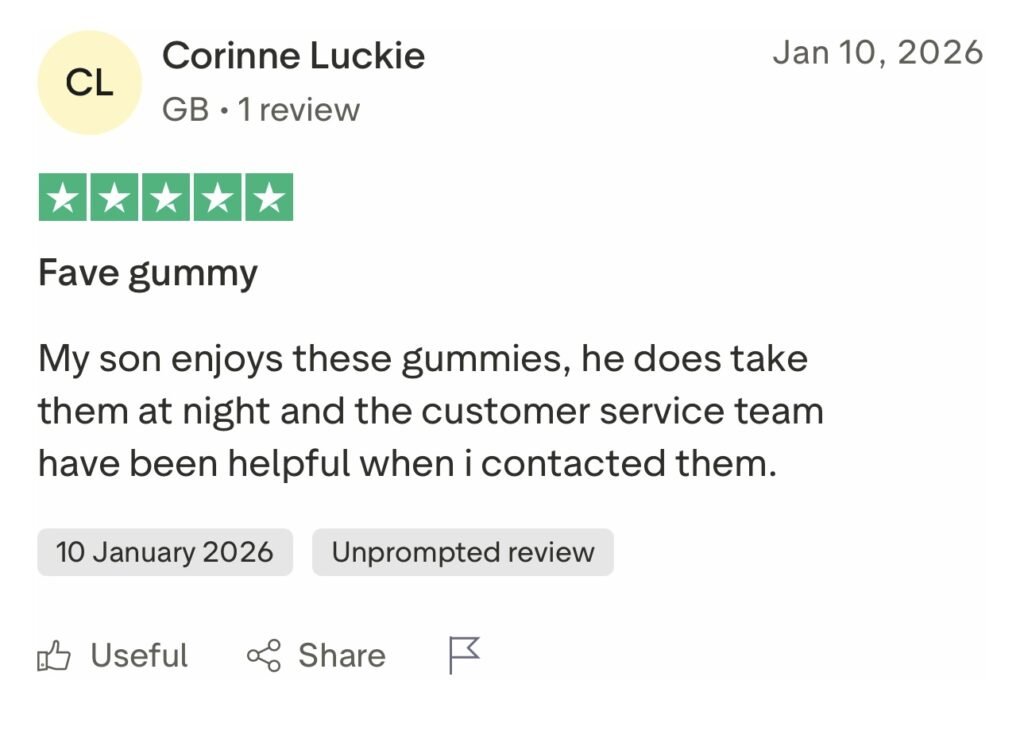
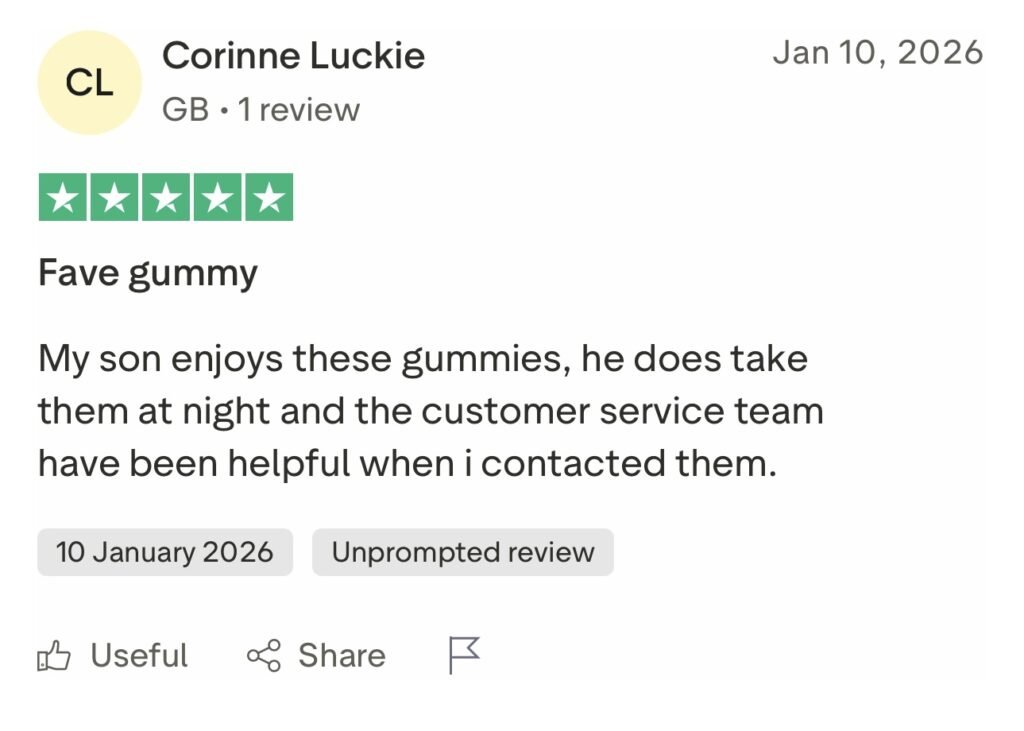
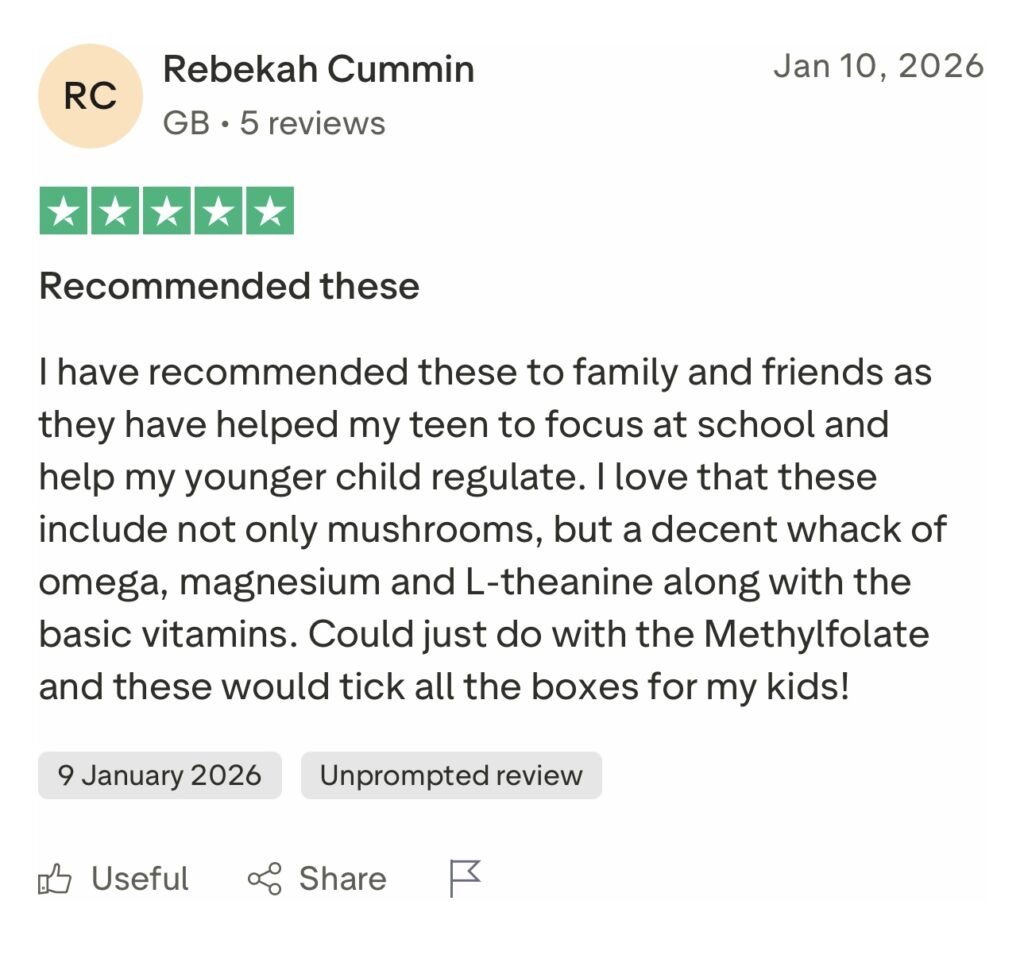
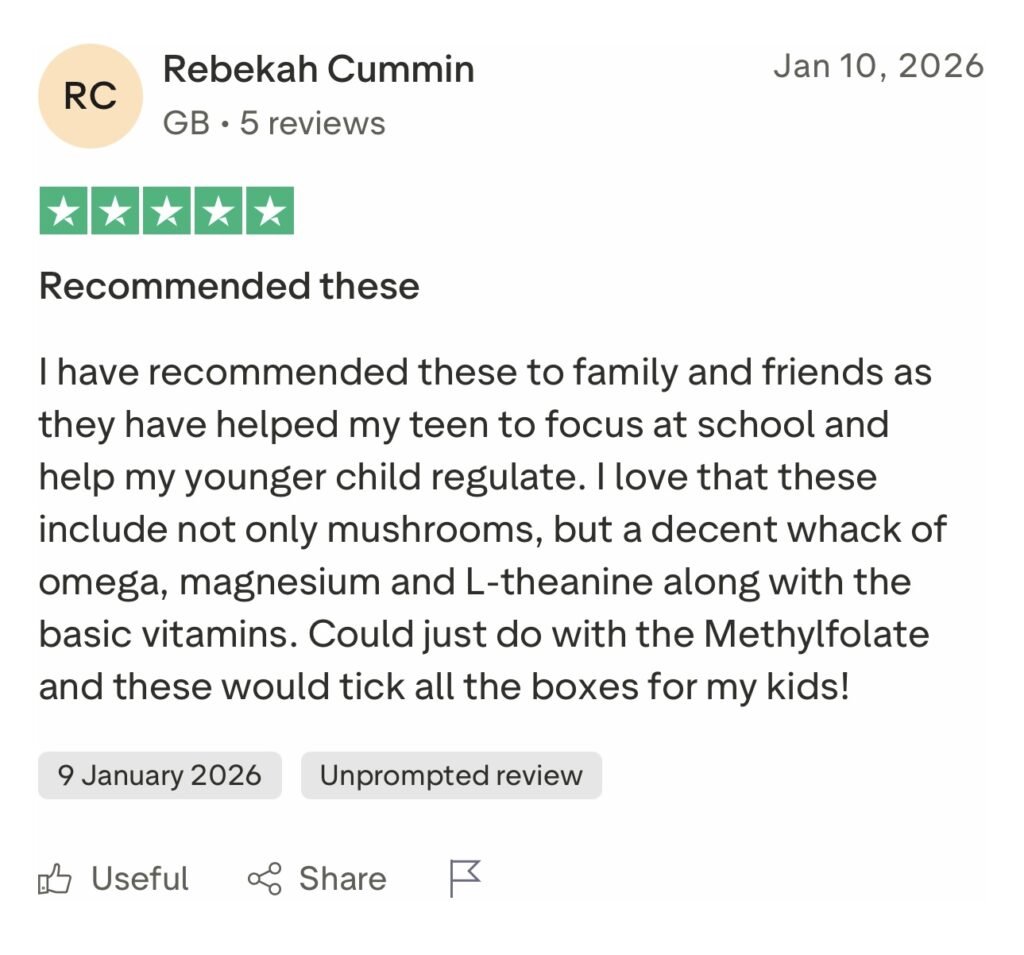
This is why we created SuperShrooms. Our 12-in-1 Daily Focus & Calm Gummy was designed specifically for kids and teens. Instead of buying individual supplements, SuperShrooms provides a comprehensive blend of Reishi, Magnesium, L-Theanine, and Saffron to support calm and mood. We’ve also included Lion’s Mane and Omega-3 DHA for focus, and Vitamin C, D3, and Zinc for immunity.
Instead of buying 5 different bottles, get it all in one tasty daily gummy. It’s an easy addition to any bedtime routine for restless children that supports their wellness from the inside out.
Conclusion: Patience and Consistency
Building a better bedtime routine for restless children doesn’t happen overnight. It requires a combination of environmental changes, consistent habits, and the right nutritional foundation. By supporting your child’s nervous system with ingredients like Magnesium and Reishi, you give them the tools they need to find their own calm.