1. What is Reishi Mushroom?
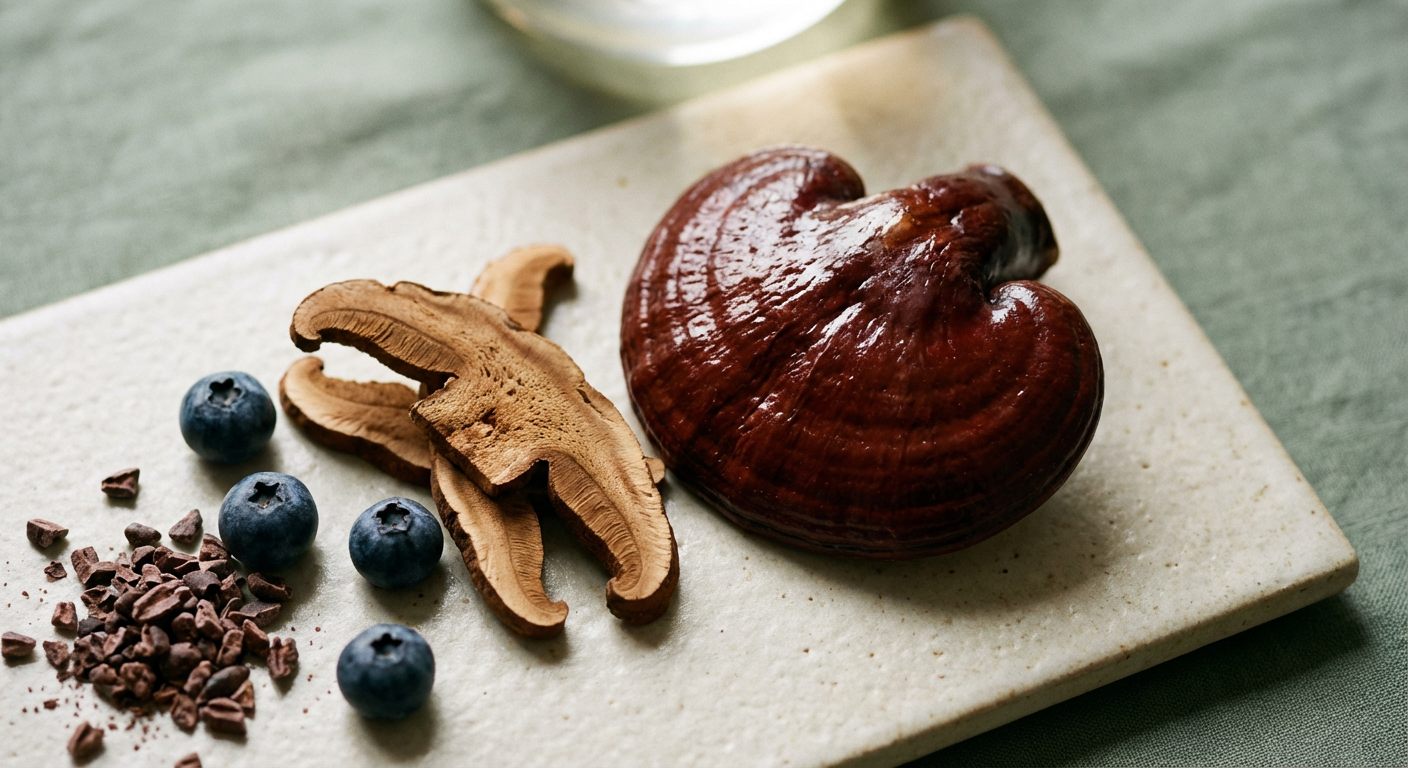
Reishi (Ganoderma lucidum) is a medicinal mushroom traditionally used in Chinese and Japanese medicine for its immune-boosting, stress-relieving, and cognitive-supporting properties. Often called the “Mushroom of Immortality,” Reishi contains triterpenes and polysaccharides, compounds believed to promote brain health, emotional balance, and immune resilience. To better understand the history of these fungi, you can read more about functional mushrooms for children and their traditional uses. Many parents are now turning to focus gummies for kids that feature these beneficial extracts.
📌 Related Article: Best Natural Supplements for Kids’ Focus & Attention
2. Key Benefits of Reishi for Children
1️⃣ Supports Stress Resilience & Emotional Well-Being
Reishi is classified as an adaptogen, meaning it helps the body adapt to stress. A 2017 study in the Journal of Ethnopharmacology found that Reishi extracts reduced cortisol levels and promoted calmness and emotional balance. This may help children who experience anxiety, mood swings, or trouble focusing due to stress.
📌 Read the study
2️⃣ Strengthens Immune Function
Reishi contains beta-glucans, which stimulate the immune system. Research in Frontiers in Pharmacology (2018) found that Reishi enhances immune cell activity, potentially helping children fight infections more effectively.
📌 Read the study
3️⃣ May Support Focus & Cognitive Health
Reishi has been studied for its neuroprotective effects. A 2020 study in the Journal of Neuroinflammation suggests that Reishi may reduce brain inflammation, helping with mental clarity and concentration. To see how this fits into a broader wellness plan, it is helpful to look at what the current research says about functional mushrooms and children.
📌 Read the study
3. Is Reishi Safe for Kids?
Reishi is generally safe for children when consumed in appropriate amounts. However, when considering safety and quality sources for kids’ mushrooms, parents should:
✔ Start with a low dose (250-500 mg per day) and observe any effects.
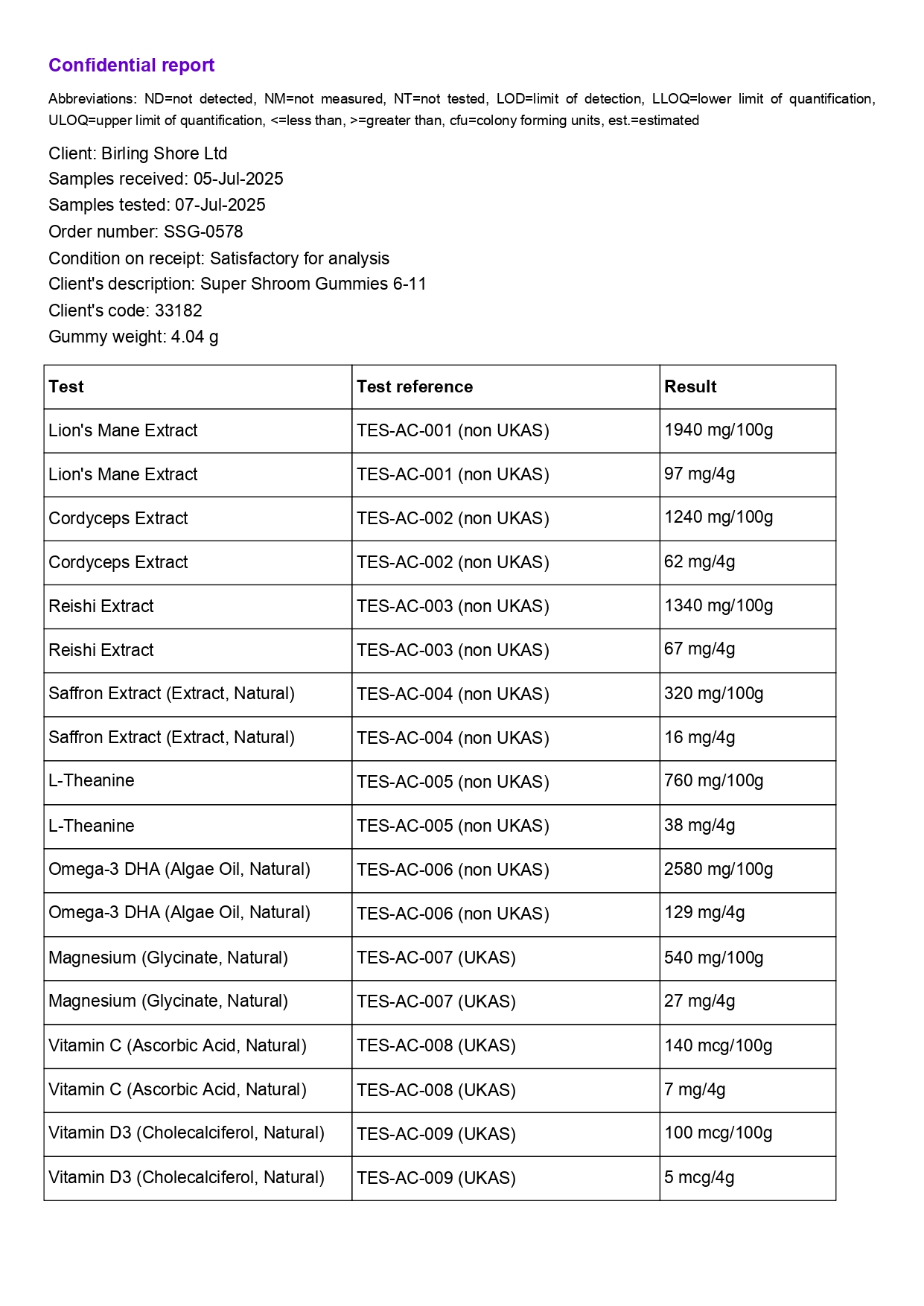
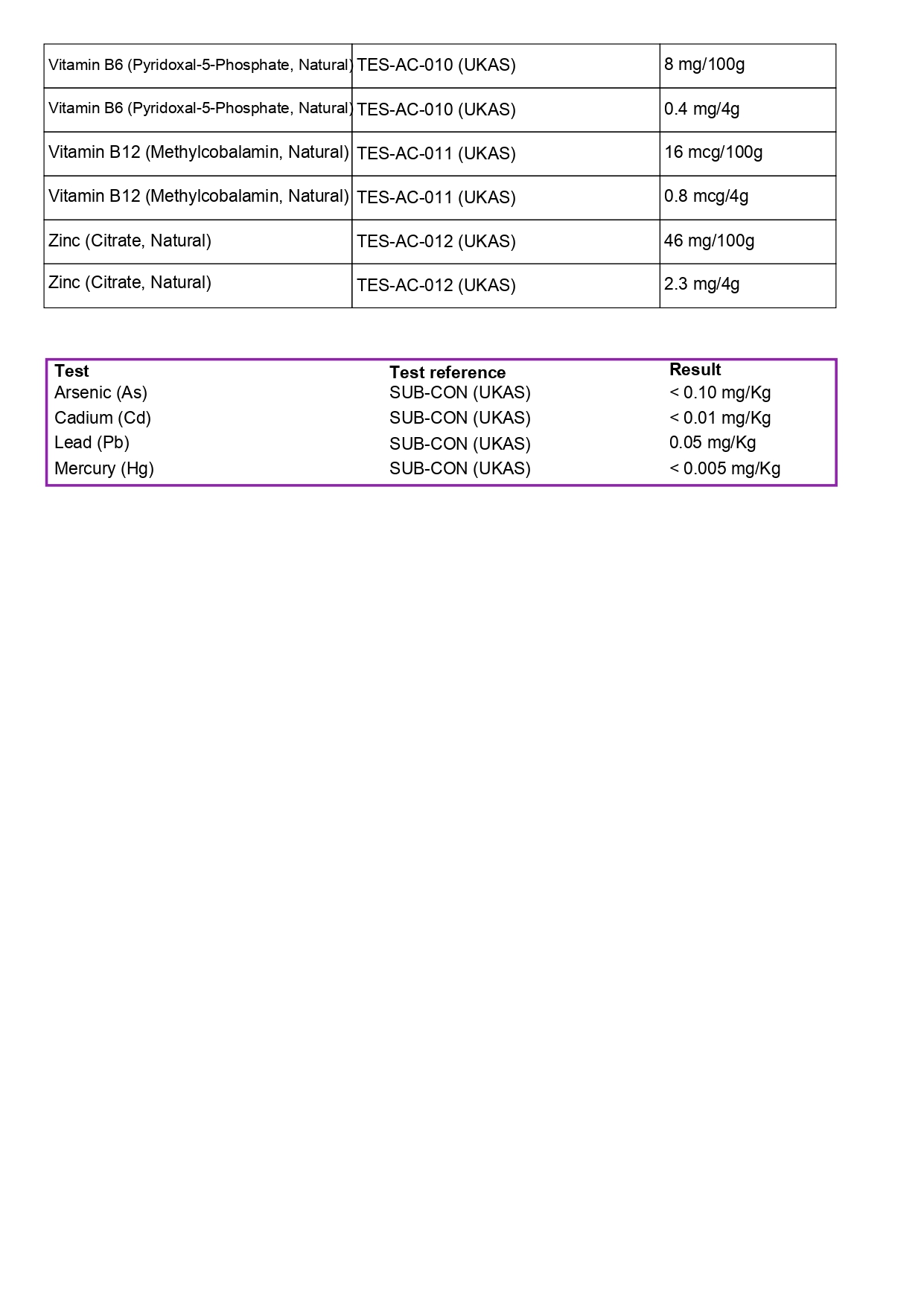
✔ Use high-quality, organic Reishi supplements to avoid contamination.
✔ Consult a healthcare provider before adding Reishi to a child’s diet.
Potential Side Effects
🔹 Mild digestive discomfort (rare).
🔹 Possible allergic reactions in children sensitive to mushrooms.
4. How to Incorporate Reishi into a Child’s Diet
Parents can introduce Reishi in various ways:
🥄 Powder Form – Mix into smoothies, oatmeal, or soups.
🍽 Tea or Broth – Brew as a mild tea with honey.
🍬 Gummies – A convenient, kid-friendly option for natural focus support for children.
📌 Related Article: How Functional Mushrooms Compare to Traditional Kids’ Vitamins
5. How Reishi Supplements Compare
Most Reishi supplements on the market only contain Reishi as a single ingredient, limiting their potential for comprehensive brain and immune support.
| Product | Key Ingredients | Formula Strength | Cost |
|---|---|---|---|
| Real Mushrooms Reishi Powder | 100% Reishi | Immune & stress support, lacks cognitive enhancers | $32 (60g) |
| Host Defense Reishi Capsules | Reishi extract | Focus on immune balance, no additional brain-boosting compounds | $29 (60 capsules) |
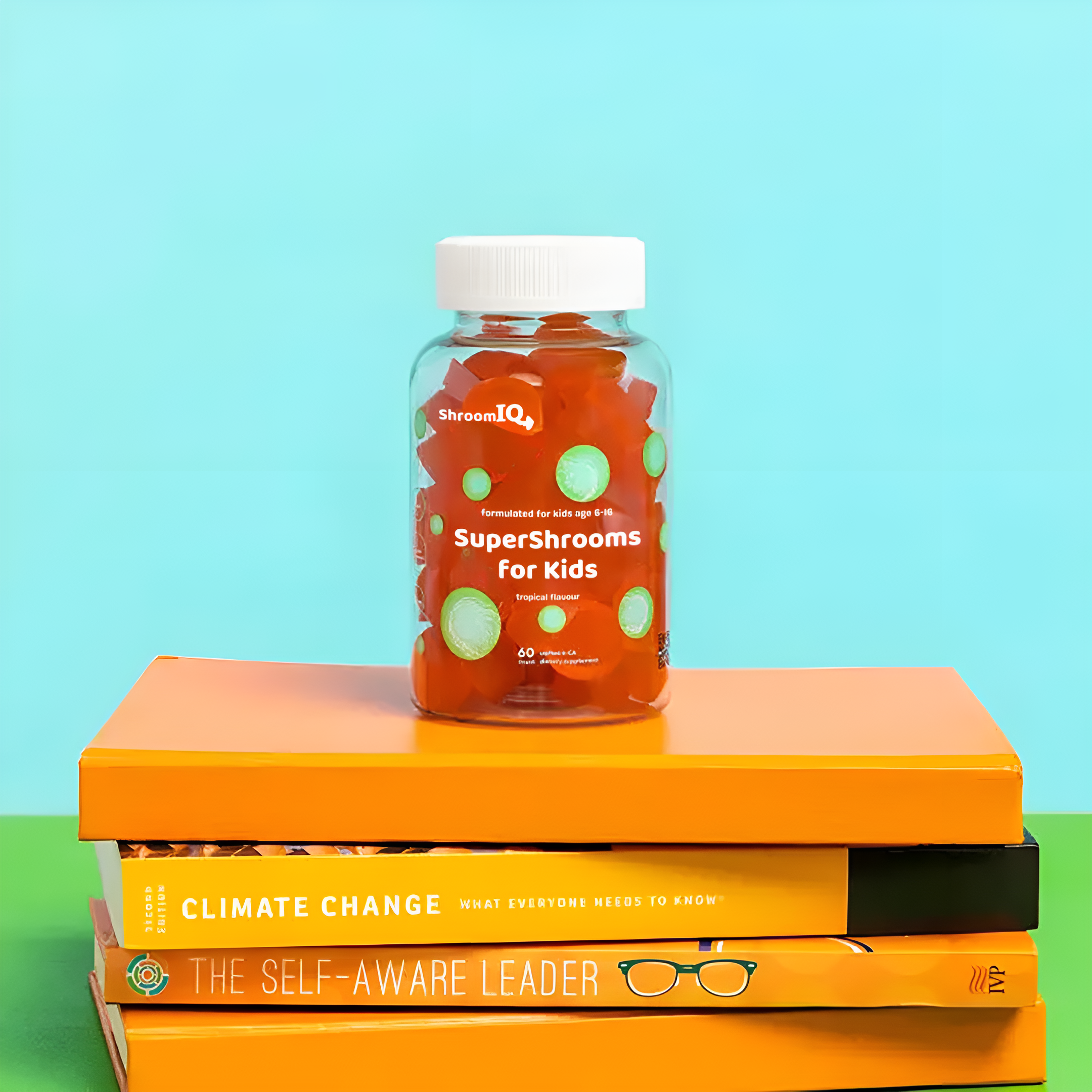
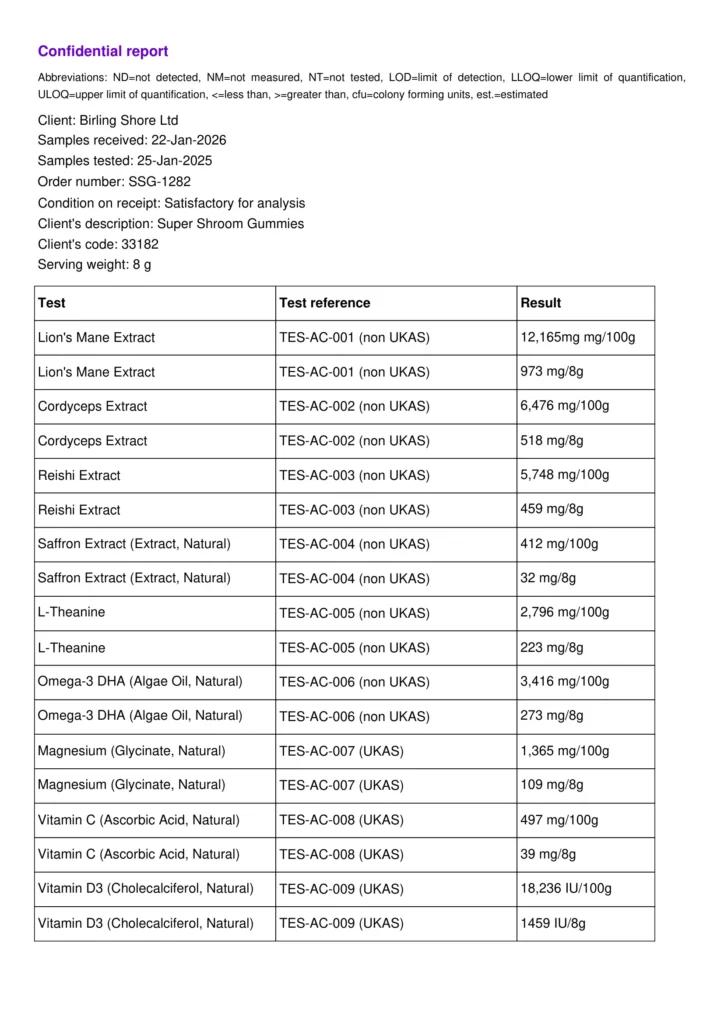
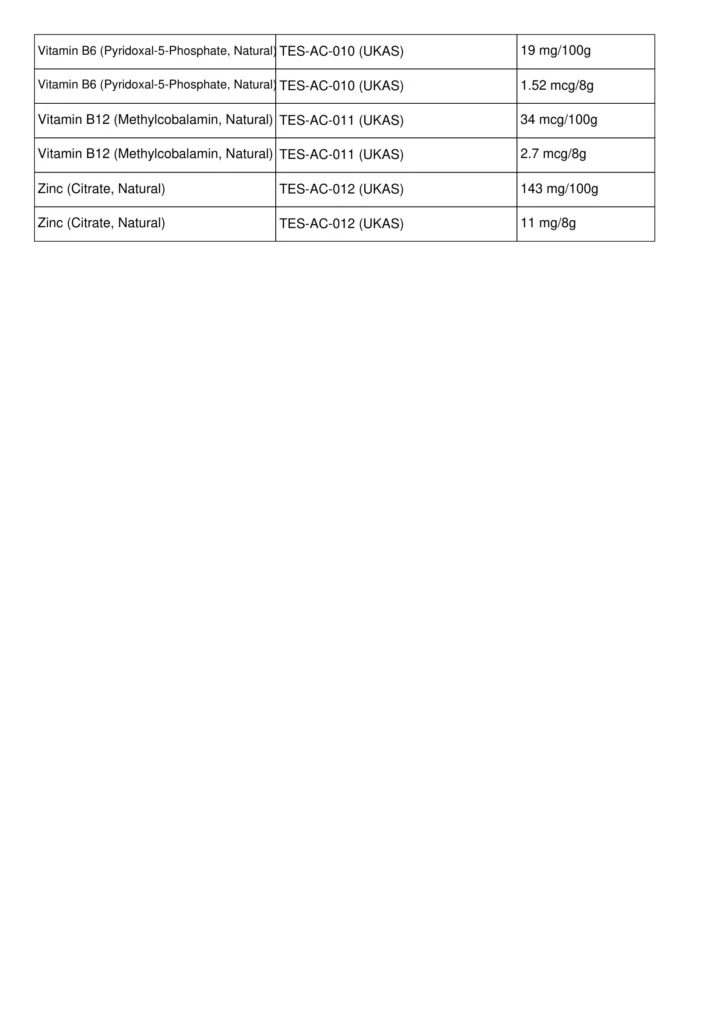
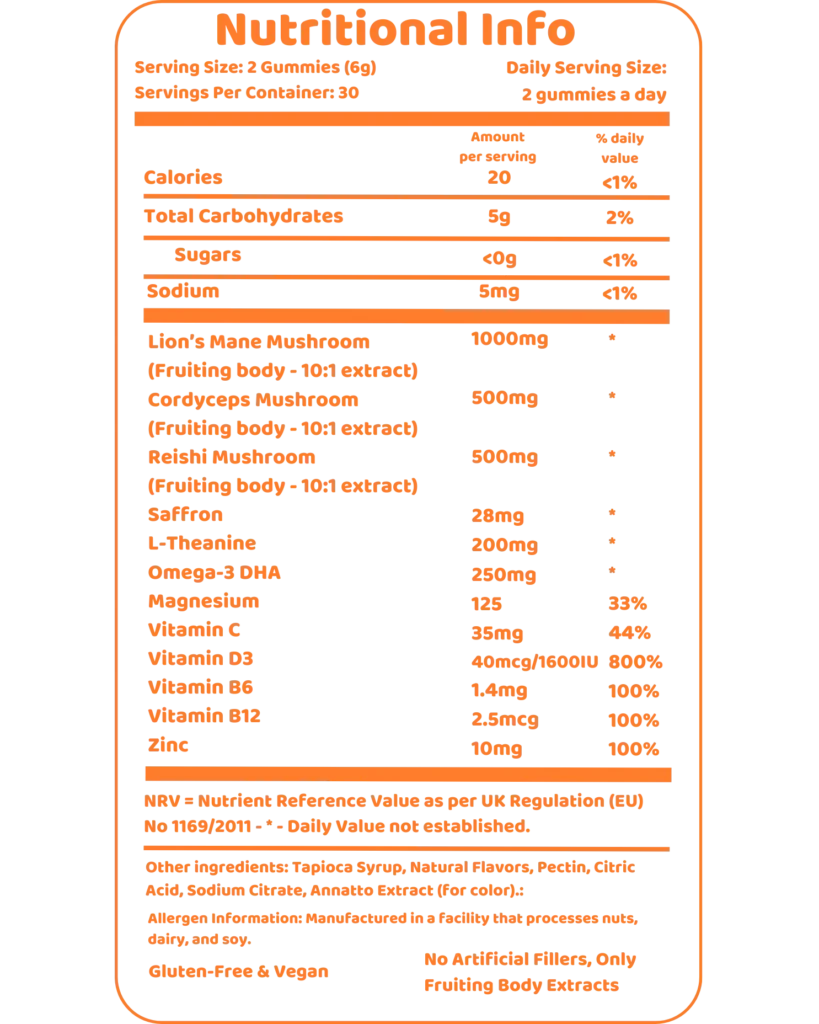
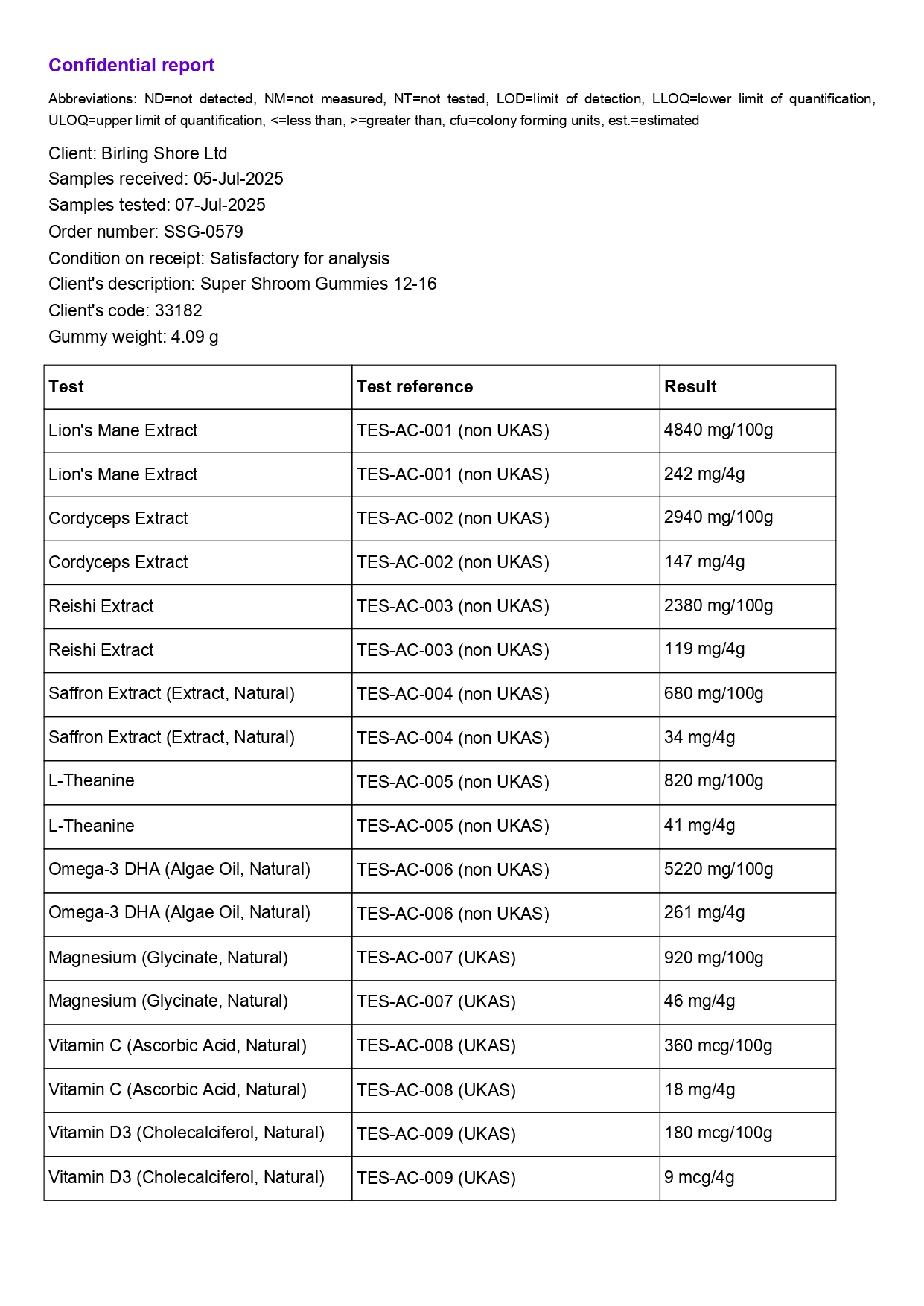
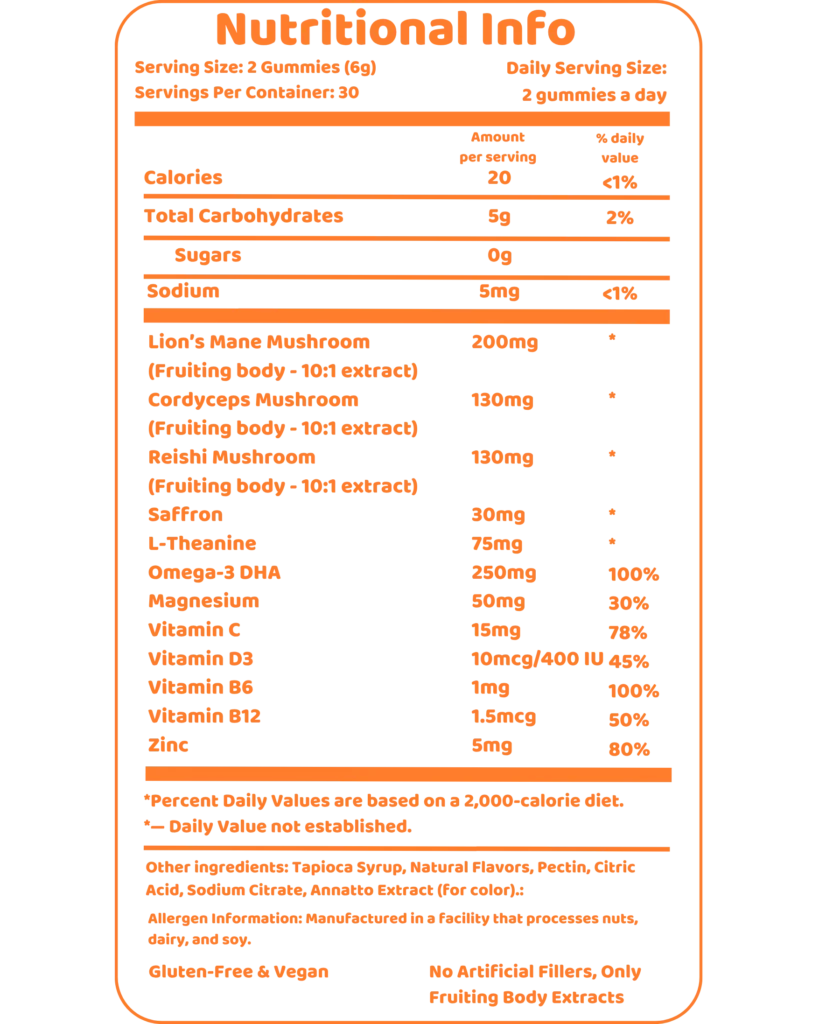
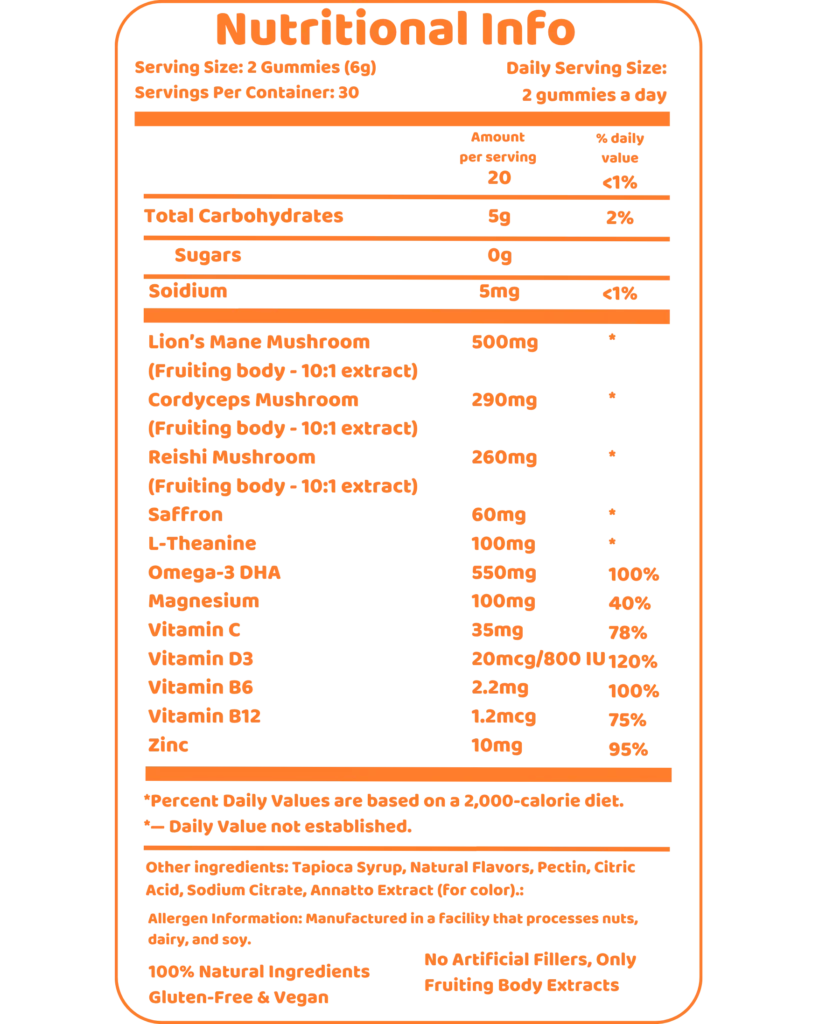
| ShroomIQ Gummies | Lion’s Mane, Cordyceps, Reishi, Omega-3, Magnesium, B Vitamins, Zinc | Full cognitive & immune support blend | $39 (60 gummies) |
📌 While most brands only offer Reishi, ShroomIQ combines 10 research-backed ingredients for comprehensive cognitive and immune support—including Omega-3 DHA, Magnesium, and Lion’s Mane to enhance focus, memory, and stress resilience.